How Tight Should Swimming Goggles Be? The Ultimate Leak-Free Fit Guide
Unlock perfect hydrodynamics, structural comfort, and zero water leakage by mastering the science of optical seal and strap tension mechanics.
1. The Core Answer: Suction Over Tension
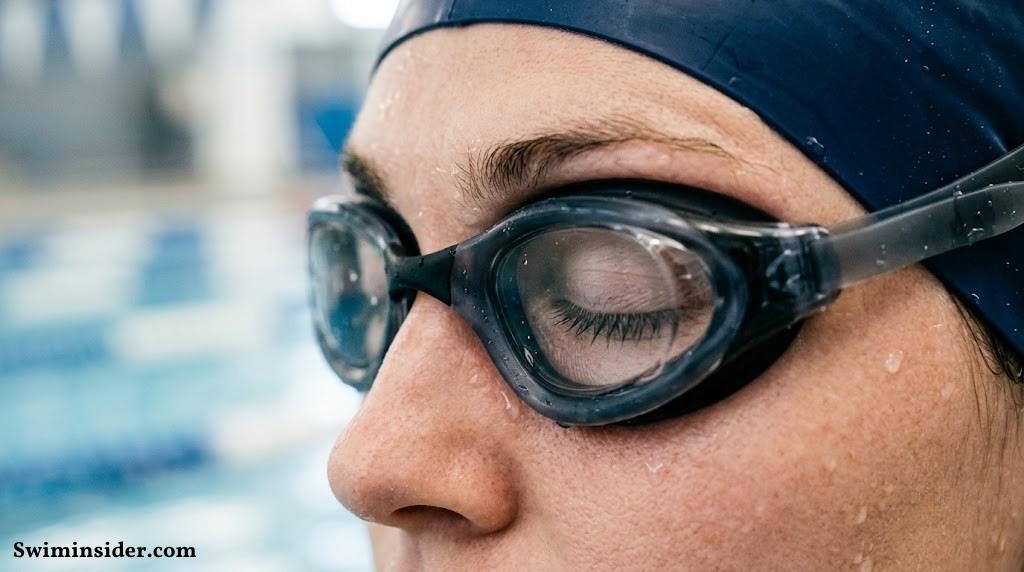
When entering the world of aquatic sports, fitness swimming, or open-water triathlons, one foundational piece of equipment dictates your comfort and sensory performance: your eyewear. The definitive answer to the question of how tight swimming goggles should be centers around a single structural philosophy: your goggles should rely almost entirely on physical air suction, not the mechanical pulling tension of the head strap.
A properly fitted swimming goggle should feel snug, stable, and completely sealed, without triggering painful pressure points on your delicate eye sockets or leaving deep, lasting red indentations that persist hours after exiting the pool. The primary purpose of the elasticized head strap is not to violently compress the rubber or silicone gasket against your face to clamp out incoming water. Rather, the strap acts purely as an anchor mechanism designed to keep the lightweight eye-cups structurally positioned during dynamic push-offs, rapid flip turns, and the fluid turbulence of high-velocity hydrodynamic movement.
“The golden rule of aquatic optics: Suction creates the seal; the strap merely preserves the position.”
When choosing a pair of performance optics from a dedicated best swimming goggles compilation, you quickly discover that high-quality designs leverage atmospheric pressure differentials. By gently displacing the interior air volume within the eye-cup, a seal forms naturally against your unique periorbital bone structure. If you find yourself repeatedly cranking down your side adjustment buckles to their absolute maximum limit just to keep pooling water out of your eyes, your goggles are not configured correctly—or worse, they are the fundamentally wrong size or geometric shape for your face.

Upgrade to a Scientifically Ergonomic Fit
Stop over-tightening bad straps. Experience premium ultra-soft liquid silicone gaskets that seal perfectly with minimal pressure.
View Ergonomic Goggles on Amazon2. The Legendary Goggle Suction Test
Before ever altering your head strap lengths or jumping blindly into the lap lane, there is a simple, highly effective physical assessment protocol used by swim coaches and elite triathletes worldwide: The Static Suction Test. This diagnostic method bypasses strap variables and isolated buckle errors entirely, identifying within seconds whether a particular pair of goggles matches your biological structural anatomy.
To execute the Static Suction Test properly, follow this sequence:
- Take the swimming goggles in both hands, completely letting the head strap dangle freely forward out of the way so it plays no role in the immediate fitment.
- Align the individual orbital frames directly with your eyes, checking that the flexible perimeter gaskets rest flush against your facial contours.
- Press the lens housings firmly but gently inward against your periorbital bone framework to push out the internal ambient air mass, establishing a mini-vacuum.
- Release your hands completely from the goggle bodies.
The Passing Threshold: If the goggle frames seamlessly stick to your face, maintaining an airtight, unassisted seal for roughly 2 to 5 full seconds before gravity pulls them free, you have found an excellent structural match. This proves that the natural contours of the silicone skirt perfectly complement your brow, nose bridge base, and cheekbone curvature. If they instantly fall away or pop off within a fraction of a second, the chassis shape is structurally incompatible, and no level of intense strap tightening will reliably prevent leaks without inducing severe physical discomfort or tissue bruising.
3. Biological Dangers of Overtightening
Many novice swimmers treat strap adjustments as a simple brute-force equation: tighter must mean safer. Unfortunately, this line of thinking ignores the intricate neurovascular network surrounding the human face. Overtightening your goggles creates a host of physical issues that extend far beyond a pair of simple red marks.
The periorbital region houses several major superficial nerves, most notably the *supraorbital nerve* positioned directly above the eyebrow line and the *infraorbital nerve* riding along the top ledge of the cheekbones. Subjecting these areas to continuous mechanical compression impairs local blood flow and triggers nerve impingement. This often manifests as a pounding, deep-seated tension headache that ruins concentration and cuts your lap workouts short. Extended, excessive pressure can also result in localized numbness, hypersensitivity, or chronic throbbing long after you’ve dried off.
| Physiological Metric | Optimal Suction Fit | Overtightened Fitting |
|---|---|---|
| Periorbital Blood Flow | Normal, unrestricted circulation | Ischemic constriction, deep red bruising |
| Nerve Compression | Zero load on supraorbital pathway | High risk of acute neural tension headaches |
| Intraocular Pressure (IOP) | Remains perfectly within safe baseline | Artificially elevated via localized compression |
| Skin Elasticity Impact | Temporary micro-lines that vanish fast | Deep, long-term structural tissue creasing |
Furthermore, persistent high-tension compression overworks the structural longevity of your equipment. It accelerates the cellular breakdown of high-performance silicone compounds, stretching out the headband elasticity, distorting the lens seating, and permanently warping the delicate structural skirts. It also creates a compounding aesthetic issue known informally as “raccoon eyes.” This occurs when localized capillary beds burst and fluid collects under the skin due to severe vacuum forces, leaving dark, swollen rings around your eyes for hours on end.

Banish “Raccoon Eyes” Forever
Explore elite-tier models engineered for comfort. Perfect for swimmers seeking pressure-free, medical-grade gaskets.
View Most Comfortable Goggles on Amazon4. Structural Pitfalls of Undertightening
On the opposite end of the spectrum lies the issue of undertightening. While maximizing comfort is important, maintaining insufficient tension introduces several frustrating performance obstacles. The primary symptom of an undertightened strap system is immediate water infiltration. When you allow the strap tension to drop below its functional threshold, the physical seal easily detaches at the slightest facial movement or water disturbance.
When water breaches the gasket perimeter, it immediately disrupts your field of vision, forcing you to stop mid-lap to drain the lenses. This completely breaks your aerobic momentum, heart rate tracking, and workout flow. For individuals who rely on custom vision correction tools, managing a sudden leak is especially frustrating, making it crucial to select a dependable pair of best prescription swimming goggles that maintain a reliable, continuous seal with minimal adjustments.
Additionally, undertightened goggles are highly unstable during dynamic, high-energy maneuvers. The forceful rush of water generated when pushing off a wall or executing a powerful flip turn can easily flip the low-tension lenses completely off your eyes, dragging them down to your chin or pinning them against your ears. This instability is not just annoying—it can be a safety hazard when navigating a crowded lap lane or competing in an open-water event where maintaining clear, uninterrupted visibility is vital.
5. How to Adjust Goggles: 6-Step Visual Guide
To systematically establish the perfect balance between effective air suction and supportive mechanical strap tension, follow this standard structural fitting methodology. Each phase must be dialed in step-by-step to achieve a personalized, leak-free fit.
Step 1: Check the Gasket Suction Base
Before interacting with the strap, press the empty lenses squarely onto your face without using the strap to confirm a successful natural air vacuum baseline.
Step 2: Position the Split Head Strap
Bring the elastic strap over your head, positioning the split bands cleanly. Place one strand higher up on the crown of your head and the lower strand level with the eye line to distribute the structural forces evenly.
Step 3: Adjust Buckles Intermittently
Utilize the side or rear adjustment buckles to ease or tighten the strap length, making small, symmetric changes rather than huge asymmetric pulls.
Step 4: Calibrate the Nose Bridge Width
Change or adjust the horizontal nose bridge spacing. Setting this correctly ensures the individual lenses sit directly in the center of your eye sockets without pinching inward.
Step 5: Verify via Facial Expression Changes
Deliberately smile, frown, blink tightly, and yawn while wearing the dry setup. The flexible silicone gaskets should naturally adjust to these contour changes without losing their seal.
Step 6: Execute an In-Water Streamline Push-Off
Submerge completely and push off the pool wall forcefully into a tight streamline glide. If the goggles remain perfectly secure without shifting or leaking from the rush of water, they are adjusted correctly.
Achieve Your Perfect Micro-Adjusted Fit
Stop settling for one-size-fits-all straps. Order our favored high-performance customizable models featuring interchangeable bridges.
Buy Customizable Goggles on Amazon6. Anatomy of a Goggle and Its Impact on Fit
Every individual swimming goggle chassis contains several component zones that work together to determine how the equipment fits. Altering any single element completely shifts the sweet spot of your strap tension settings.
The core components include:
- The Gaskets/Skirts: The soft perimeter material that sits directly against your facial tissue. Modern variations are categorized into three main configurations:
- Liquid Silicone Rubber (LSR): The undisputed industry standard, prized for its exceptional flexibility, hypoallergenic properties, and long-term shape retention.
- Neoprene Foam: Commonly integrated into traditional open-water designs, offering a soft, compliant feel, though it absorbs oils and degrades faster than silicone.
- Unlined/Socketless (Swedish Style): Strips away padding entirely, placing the hard plastic frame directly into the orbital socket. These require an incredibly precise physical bone match but are highly favored by competitive racers for their ultra-low profile design.
- The Head Strap: Flat or tubular elastic bands made from durable silicone or specialized polymers. They often feature split-strand or dual-band architectures that allow you to anchor the goggles securely around the widest part of your skull.
- The Nose Bridge Assembly: The structural component linking the left and right lens frames. These are available as modular, interchangeable plastic keys of varying lengths, or as flexible, self-adjusting unibody notches.
Understanding these materials helps you make informed choices. For example, a thick, plush liquid silicone gasket naturally compresses and seals under very light tension. Conversely, an unlined Swedish-style racing lens requires highly accurate strap placement to stay secure, as it lacks a soft material layer to absorb unaligned forces.
7. Tightness Needs by Swimming Style
Not all pool sessions require the same level of strap tension. The environment you swim in and the intensity of your workout dictate exactly how tight your gear needs to be configured.
If you’re focused on casual lap swimming or aerobic endurance training, your primary goal is long-term comfort. Your strap tension should be set as loose as possible while still maintaining a reliable seal. This approach protects delicate facial tissues and avoids pressure headaches over long sessions. For swimmers prioritizing comfort above all else, choosing a pair from a curated most comfortable swimming goggles review ensures you find options designed specifically to distribute pressure evenly over extended workouts.
In contrast, competitive pool racing demand a much tighter, high-security setup. Diving off a raised starting block hits your head with sudden, high-velocity water resistance that can easily dislodge standard-fitting gear. To counter this, racing-specific designs feature ultra-low profiles to minimize drag, and athletes typically tighten the straps slightly ahead of a race to ensure everything stays locked in place under extreme forces.
Lap & Fitness Training Settings
- Prioritizes loose, comfortable strap tension to prevent red marks and skin irritation.
- Utilizes wide, plush silicone gaskets that conform easily to the face under low pressure.
- Designed for extended wear across multi-kilometer pool workouts.
Elite Racing & Diving Settings
- Requires slightly higher strap tension to withstand high-velocity starts and turns.
- Employs low-profile, rigid frames optimized to cut down hydrodynamic drag.
- Focuses on maximum mechanical security for short, high-intensity sprints.
Open water swimming and triathlons introduce another layer of complexity: physical contact. Mass beach starts often involve navigating a crowd of kicking feet and flailing arms. In these chaotic environments, a loose strap puts you at risk of getting your gear kicked clean off your face. Triathletes frequently look for specialized features, such as those highlighted in a best polarized swimming goggles guide, which pair wide-angle, glare-reducing lenses with rugged, reliable strap systems that can handle occasional accidental bumps in open water.

Lock in High-Velocity Dynamic Stability
Dominate your block starts and flip turns with competition-grade, low-profile racing goggles that stay securely anchored.
Shop Racing Goggles on Amazon8. Custom Sizing Across Diverse Demographics
Facial geometry varies wildly across different ages, genders, and ethnicities. Trying to force a single, generic goggle size onto every face often leads to chronic leaking or painful overtightening.
Children and young swimmers have unique requirements. Because their nasal bridges are still developing and their orbital bones are smaller, adult-sized gear simply will not seal correctly. For the youngest swimmers, choosing from a dedicated best swimming goggles for toddlers guide ensures you find models designed for small faces with soft, easily adjustable straps. As they grow into youth swimming programs, upgrading to models featured in a best swimming goggles for kids selection provides the necessary intermediate sizing to maintain a reliable, leak-free seal without putting undue pressure on growing facial structures.
Adult swimmers face similar fit challenges based on their specific bone structure. Women often find that standard unisex goggles press uncomfortably against their temples or sit too wide on the nose bridge. Selecting a pair designed specifically for female facial structures, like those found in a targeted best swimming goggles for women review, delivers a more narrow, anatomical fit. Similarly, swimmers with prominent brows or wider temples should consult resources like a best swimming goggles for wide faces guide to find frames that prevent the outer edges from pinching or leaking under load.
9. Advanced Leak Troubleshooting Systems
When your swimming goggles start letting water in, your first instinct is probably to pull the straps tighter. However, chronic leaking is rarely caused by a loose strap. It’s usually a sign of an underlying mechanical issue that tightening won’t fix.
To identify and solve the root cause of a persistent leak, work through this step-by-step diagnostic checklist:
- Analyze Hair Obstructions: Check along your forehead and temples. Even a few stray strands of hair breaking the perimeter of the silicone gasket can create a microscopic channel that allows water to seep in under pressure. Wearing a smooth swim cap and ensuring all hair is tucked away solves this instantly.
- Evaluate Swim Cap Positioning: Look at where the edge of your swim cap sits. If your cap extends too far down your forehead and ends underneath the top edge of your goggle gasket, it creates an uneven surface that breaks the vacuum seal. Always position your goggles directly against bare skin, or place the cap cleanly over the goggle straps.
- Inspect for Gasket Degradation: Examine the silicone material closely. Over time, exposure to chlorine, UV rays, and body oils breaks down silicone, causing it to become brittle, warped, or yellowed. If the material has lost its natural flexibility, it will no longer conform to your face, and the entire pair needs to be replaced.
If you’ve checked these factors and are still dealing with constant water infiltration, it’s time to dive deeper into the root causes by exploring a comprehensive why do my swimming goggles leak guide. Additionally, if you find yourself dealing with constant condensation alongside leaks, mastering the tips in a specialized how to stop swimming goggles fogging breakdown will help you maintain crystal-clear vision throughout your entire workout.

Tired of Constant Leaks and Readjustments?
Upgrade to a proven, leak-free design built with advanced suction seals that keep water out without needing tight straps.
Buy Guaranteed Leak-Free Goggles on Amazon10. Comparative Brand Architecture Analysis
Different swimwear brands approach fit and tension mechanics with distinctly different design philosophies. Looking at how popular, high-performance models are engineered reveals how they achieve a secure fit on the face.
A classic, reliable benchmark in the swim world is analyzed in our detailed Speedo Vanquisher 2.0 review. This iconic design features a traditional, deep-padded silicone gasket that sits comfortably within the middle orbital space. It relies on a balanced combination of natural suction and support from a dual silicone strap system, making it an incredibly versatile option for fitness enthusiasts and competitive swimmers alike.
For an alternative look at high-performance gear, check out our comprehensive Arena Cobra Ultra vs Speedo Fastskin comparison. These elite models are engineered specifically to minimize hydrodynamic drag. They use rigid, low-profile extended temples that wrap around the sides of the head, distributing strap tension further back toward the skull. This design allows competitive racers to maintain maximum stability during explosive block starts without needing to overtighten the front lenses directly against the eyes.
On the cutting edge of modern gear innovation is the customizable design explored in our Magic5 goggles review. Instead of using a mass-produced, one-size-fits-all gasket shape, this system uses a smartphone face scan to 3D-print a custom silicone gasket tailored precisely to the unique contours of your eye sockets. By matching your facial structure perfectly, these goggles create a reliable, watertight seal with almost zero strap tension, representing a massive leap forward in swim comfort.
11. Material Care & Longevity Mechanics
How you care for your swim gear directly impacts how well it fits over time. Exposing your goggles to harsh chemicals, heat, and improper storage quickly degrades the delicate silicone components, throwing off your carefully dialed-in adjustment settings.
When you leave pool water on your gear, chlorine and minerals slowly dry out the silicone gaskets and elastic headbands. This causes the materials to lose their elasticity and become brittle. Once the silicone hardens, it can no longer flex to form a natural vacuum seal against your face, tempting you to overtighten the straps to compensate. To prevent this, make it a habit to rinse your gear in clean, cold tap water immediately after every swim, following the steps outlined in our guide on how to clean swimming goggles.
Storage practices are just as critical. Tossing wet goggles into a dark, stuffed swim bag creates a breeding ground for mold and mildew, which can permanently damage the anti-fog lens coatings and weaken the strap connections. Always allow your gear to air-dry completely in a cool, shaded area away from direct sunlight, and store them in a protective hard case to shield the lenses from scratches and keep the frame from getting warped by heavier gear.
12. Summary: The Fit Matrix Checklist
Finding the perfect goggle tightness is a balancing act between physical comfort and a reliable, watertight seal. Use this quick reference matrix to evaluate your current setup and make the necessary adjustments:
| Fit Signposts | Too Loose | The Perfect Sweet Spot | Too Tight |
|---|---|---|---|
| Physical Sensation | Goggles shift easily; feels unstable | Light, comfortable seal; feels secure | Painful pinching; throbbing headache |
| Post-Swim Markings | Zero markings left behind | Faint lines that fade within minutes | Deep, red indentations lasting for hours |
| Water Protection | Immediate leaking or flooding | 100% dry and leak-free performance | Dry, but causes intense eye pressure |
| Strap Tension | Dangling loose or slipping down | Snug anchor holding lenses in place | Stretched to the absolute limit |
By shifting your focus away from crushing strap tension and prioritizing a clean, natural vacuum seal instead, you’ll unlock a completely transformed experience in the water. Take the time to dial in your adjustments, test your gear systematically, and choose a frame shape that truly matches your facial anatomy. Your eyes, your lap times, and your overall comfort will thank you for it.
Frequently Asked Questions
Should swimming goggles leave marks around my eyes?
A properly adjusted pair of goggles should only leave faint, symmetrical lines that completely disappear within 10 to 15 minutes of taking them off. If you’re noticing deep, dark red rings or bruising that lasts for hours, your straps are far too tight, or the frame shape is a poor match for your bone structure.
Why do my swimming goggles leak unless I tighten them excessively?
This is a classic sign of an incorrect fit or a shape mismatch. If the frame’s curvature doesn’t match your facial bone structure, tightening the straps won’t fix the gaps—it just forces the material into your skin. It can also be caused by hair or a swim cap getting caught under the silicone edge and breaking the vacuum seal.
How can I tell if my goggle strap is adjusted too tight?
Clear warning signs include an aching tension headache across your brow, a pinching sensation on your nose bridge, localized skin numbness, or a feeling of high pressure directly on your eyeballs. Your straps should simply anchor the gear, not crush it against your face.
Where exactly should the goggle head strap sit on my head?
For the best stability, use a split-strap system. Position the lower strand straight across the back of your head, level with your eyes. Angle the upper strand higher up onto the crown of your head, roughly at a 45-degree angle. This dual-anchor placement prevents the gear from shifting without needing tight straps.
Can a poorly fitted nose bridge cause my goggles to leak?
Absolutely. If the nose bridge is too wide, the lenses will slide outward toward your temples, breaking the inner seal. If it’s too narrow, the frame will pinch the inner corners of your eyes and lift the outer edges away from your skin. Taking the time to adjust your nose bridge width is crucial for a flat, secure fit.
How long does a typical pair of silicone swim gaskets last?
For frequent lap swimmers, a high-quality pair of silicone goggles typically lasts between 4 to 6 months before pool chemicals and UV exposure begin to harden the material. Once the silicone loses its natural flexibility, it can no longer form a reliable seal under light tension, signaling it’s time for a replacement.
Does wearing a swim cap change how tight my goggles need to be?
A swim cap actually helps secure your gear. Placing the goggle straps over a silicone or latex cap prevents them from slipping against your hair. Just be careful not to let the edge of the cap slide underneath the goggle gaskets, as this will break the vacuum seal and cause immediate leaking.
What are the advantages of custom-molded swimming goggles?
Custom-molded goggles use advanced 3D face-scanning technology to create a gasket that matches your unique facial contours exactly. Because the frame mirrors your natural bone structure perfectly, it forms an airtight seal using almost zero strap tension, offering an incredibly comfortable, leak-free experience.
Conclusion: Elevate Your Aquatic Comfort
Mastering your swim gear adjustments means moving away from tight, high-tension straps and focusing on achieving a natural, comfortable vacuum seal instead. Pay attention to how your face feels, test your gear systematically using the unassisted suction test, and make sure you’re using a frame size that genuinely complements your facial anatomy. By balancing light, uniform strap positioning with high-quality gasket choices, you’ll eliminate leaks, protect your skin, and enjoy clear, distraction-free vision through every single lap.
Ready to replace that worn-out, overtightened pair with something designed for true, leak-free comfort? Check out our expert recommendations to find the perfect fit for your next swim session.