Best Swimsuits: A Complete Guide to Finding the Perfect Fit for Every Body and Every Stroke
From lap-lane workhorses to beach-day one-pieces, here’s how to cut through the noise and pick a swimsuit that actually fits, lasts, and performs the way you need it to.
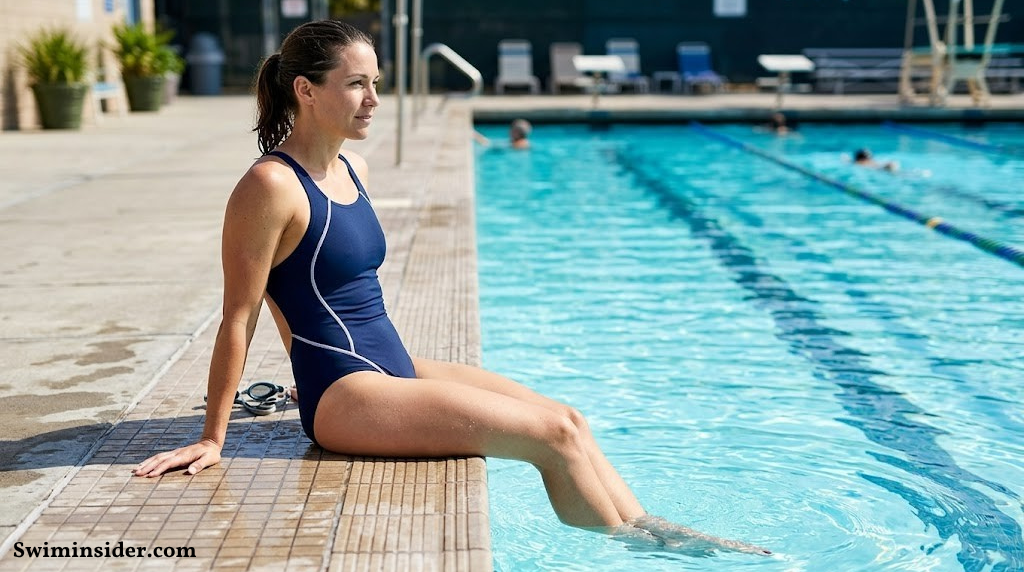
Shopping for a new swimsuit sounds simple until you’re staring at forty near-identical thumbnails, half of them promising “flattering,” “athletic,” and “quick-dry” in the same breath. The truth is that the right swimsuit depends entirely on what you’re actually doing in the water — swimming laps, chasing toddlers at the shallow end, or working on an even tan by the pool. This guide breaks the decision down by activity, body type, and budget, then points to specific, well-reviewed picks in each category so you’re not left guessing.
Most swimsuit disappointment traces back to the same mistake: buying for the photo instead of the activity. A suit that looks great in a product thumbnail can still ride up mid-lap, slip off a shoulder in the surf, or sag out of shape after three washes if the fabric and cut weren’t built for the way it’s actually going to be used. That’s a fixable problem, not a luck-of-the-draw one — it just means shopping in the right order: activity first, fit and coverage second, color and print last.
How to Choose the Right Swimsuit
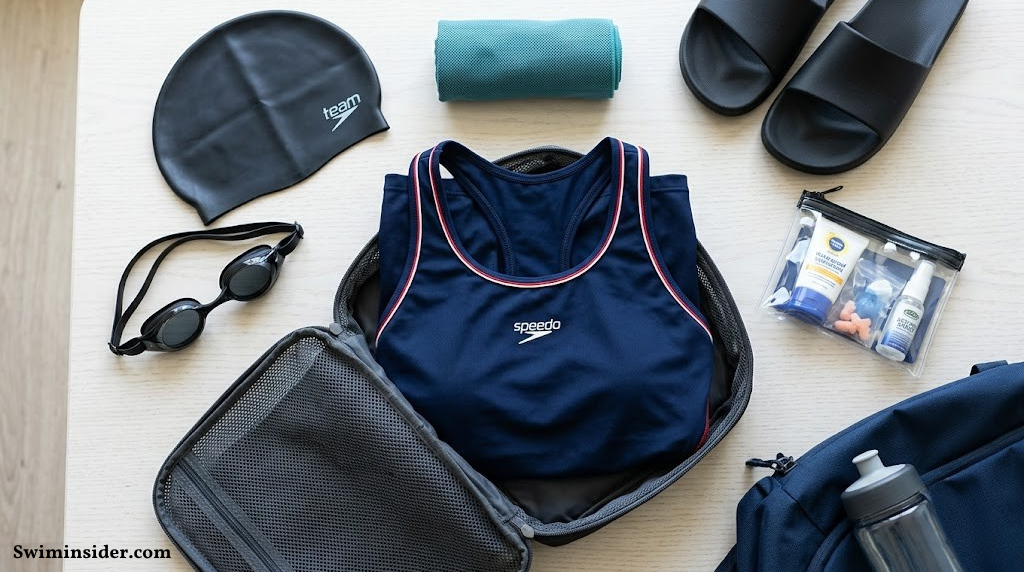
Before you fall for a print or a color, work through three questions: what will you be doing in it, how much coverage and support do you want, and how often will it get wet. A suit built for twice-a-week lap swimming needs completely different fabric than one that’s mostly going to sit poolside for photos, and a suit that’s marketed as “one size fits most” rarely fits most.
Start with activity. Fitness and lap swimmers need chlorine-resistant fabric, a snug racerback or thin-strap cut that won’t slip, and minimal drag. Beach and lounge swimmers can prioritize coverage, print, and comfort over performance fabric. Watersports and surf swimmers need a suit engineered to stay put through waves and board straps, not just a straight lap up and down a pool.
Timing your purchase can also stretch your budget further without changing what you actually get. Swimwear selection is widest and prices are highest right before peak swim season, while the tail end of the season and the quieter months tend to bring markdowns on the exact same styles. If your suit is wearing out gradually rather than urgently, buying a replacement during a slower shopping window often means more size and color options at a lower price than waiting until the last minute.
Then think about fit philosophy. Some brands run true to standard clothing sizes, others use their own numbered swim-sizing charts that skew smaller than streetwear. Always check the brand’s specific size chart rather than assuming your usual size will translate, and when in doubt, size up — a snug suit stretches out within a few wears, but a suit that’s already loose will only get looser.
Budget matters too, but not in the way most people assume. A cheaper suit worn twice a summer for lounging is money well spent regardless of fabric blend, since it’s rarely exposed to the conditions that break swimwear down. A cheaper suit worn three times a week for training, on the other hand, usually ends up costing more in the long run once you factor in replacing it every few months — spending a bit more upfront on a chlorine-resistant, well-constructed suit tends to work out cheaper per wear over a full season.
If you want a broader style lineup before narrowing in, our best swimsuits for women roundup and our Sports Illustrated–inspired swimsuit picks are good places to browse for style direction, while everything below is organized by function so you can shop with intent instead of scrolling endlessly.
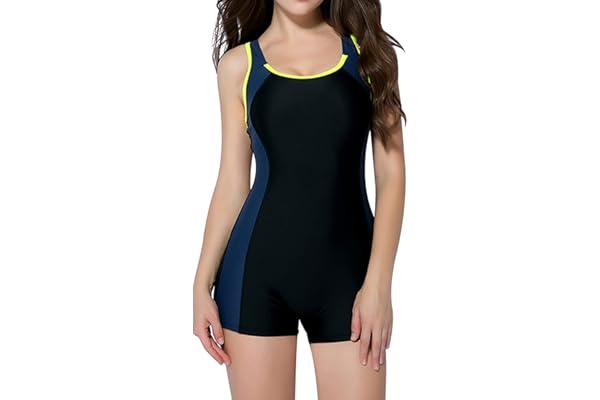
beautyin One-Piece Swimming Costume
A dependable, true-to-size starting point if you’re not sure which category you fall into yet — supportive without being a full athletic compression suit.
Check Price on AmazonBest One-Piece Swimsuits
The one-piece has quietly become the default recommendation for anyone who wants a suit that works for actual swimming, not just standing in shallow water. Modern one-pieces have moved well past the plain black tank-suit stereotype — you’ll find racerbacks, halters, and cross-back styles with the same core coverage and support but very different necklines and strap patterns.
A well-made one-piece should feel snug through the torso without digging in, hold its shape after repeated chlorine exposure, and have a leg opening cut high enough to avoid ride-up but not so high that it stops being practical for actual laps. If you want a wider style lineup beyond the picks below, our dedicated best one-piece swimsuits guide goes deeper into cut and brand comparisons.
Necklines matter more than most shoppers give them credit for. A scoop or sweetheart neckline sits comfortably under most standard straps and works well for general swimming, while a plunge or halter style shifts more of the support burden onto the neck and can loosen with repeated stroke rotation. If shoulder mobility matters to you — for freestyle, butterfly, or general fitness swimming — a racerback or cross-back cut with a modest scoop front is almost always the safer, longer-lasting choice over a halter.
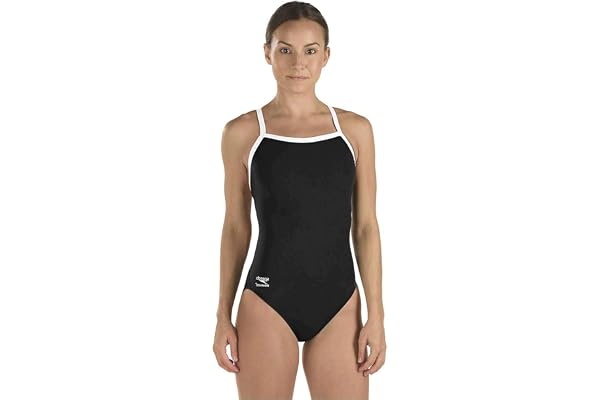
Speedo Female One-Piece Swimsuit
A classic moderate-leg cut with a supportive built-in shelf lining — an easy everyday recommendation.
View on Amazon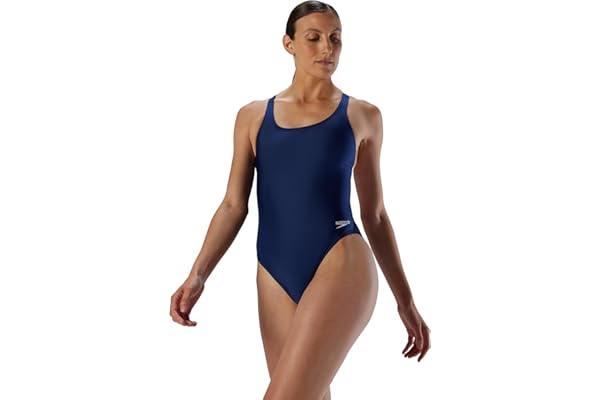
Speedo Women’s Standard Swimsuit
Simple, true-to-size, and chlorine-resistant enough to survive a regular pool routine without fading fast.
View on AmazonWhy swimmers pick one-pieces
- Stays in place through flip turns and dives
- One less strap or tie to adjust mid-swim
- Full-torso coverage suits most pool dress codes
Worth knowing first
- Bathroom breaks take longer than with separates
- Less mix-and-match flexibility than a two-piece
- Sizing runs suit-specific, not street-clothing specific
Speedo Female One-Piece Swimsuit
Our top pick for anyone who wants a single, no-fuss suit that works for both a swim workout and a day at the pool.
Check Price on AmazonBest Two-Piece & Tankini Swimsuits
Two-piece suits and tankinis solve a problem the one-piece can’t: independent sizing on top and bottom. If your torso and hips don’t match a standard size chart, a separates-based suit lets you mix a smaller top with a larger bottom (or the reverse) instead of compromising on one fixed shape.
Tankinis, specifically, bridge the gap between full-coverage one-pieces and bikini-style two-pieces — you get a longer top that skims the waist along with the practicality of separate pieces. For a deeper dive into cut, coverage, and mix-and-match strategy, see our full best tankini swimsuits guide and our broader best two-piece swimsuits roundup.
Don’t feel locked into buying a matched top-and-bottom set, either. Many separates are sold individually specifically so you can pair a smaller top size with a larger bottom, mix two different prints, or replace just one half when it wears out instead of retiring the whole set. If you go this route, buy both pieces with similar fabric weight and stretch so the set moves the same way in the water rather than one half sagging faster than the other.
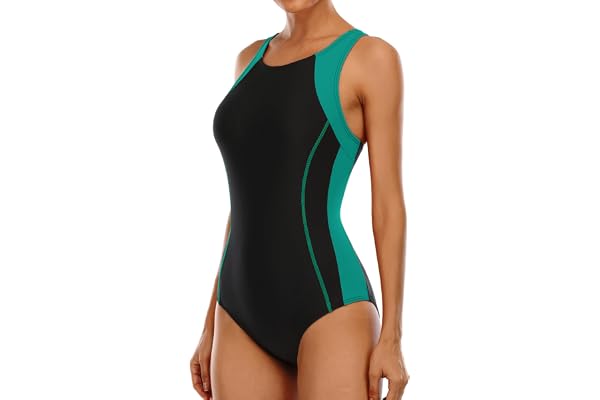
beautyin Athletic Two-Piece Swimwear
A supportive top paired with a secure bottom — built for actual movement, not just posing poolside.
View on Amazon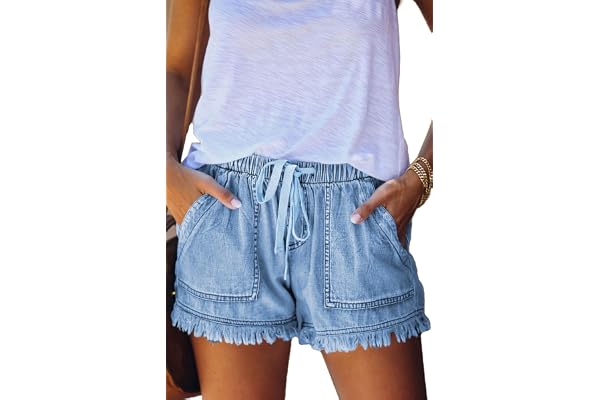
YOCUR High-Waisted Drawstring Swim Shorts
An easy separates bottom to pair with almost any top for extra coverage and a stay-put drawstring waist.
View on Amazon
beautyin Athletic Two-Piece Swimwear
The pick to start with if you want separates that still feel secure enough for real activity, not just sunbathing.
Check Price on AmazonBest Competitive & Athletic Swimsuits
Training and racing suits live by a different rulebook than lifestyle swimwear. Fit is aggressively snug by design — a race suit should feel almost restrictive out of the water and settle into place once it’s wet. The fabric blend matters more here than anywhere else in this guide: a higher percentage of polyester (versus spandex-heavy blends) resists chlorine breakdown and holds compression through months of regular training instead of going baggy after a few weeks.
Racerback and open-back cuts dominate this category because they free up shoulder rotation for freestyle and butterfly, while jammers give competitive male swimmers a low-drag alternative to briefs that still meets most meet regulations. Compare a wider range of training and racing options in our best competitive swimsuits guide.
Seam construction is another detail worth checking before you buy. Flatlock or bonded seams sit nearly flush against the fabric and reduce both drag and chafing over long training sets, while a standard sewn seam can rub uncomfortably after an hour or more in the water. Higher-priced training and racing suits almost always use one of these low-profile seam types, which is part of what you’re paying for beyond the fabric itself.
| Suit | Best For | Back Style | Notable Feature |
|---|---|---|---|
| TYR Durafast Elite Solid Jammer | Regular training & meets | Jammer (waist-to-knee) | Chlorine-resistant Durafast Elite fabric |
| Baleaf Athletic Training Adjustable Swimsuit | Daily lap training | Adjustable racerback | Customizable strap tightness |
| Runhit Competitive Swimsuit | Club-level competition | Racerback | Compression-forward fit |
| Swimming Athletic Professional Swimsuit | High-volume training | Racerback | Fade and stretch resistant |
| Gradual Sleeveless Workout Swimsuit | Cross-training & fitness swimming | Sleeveless athletic cut | Extra core coverage panel |
What competitive suits get right
- Compression fit reduces drag through the water
- Fabric blends built specifically for chlorine exposure
- Cuts designed around real stroke mechanics
Trade-offs to expect
- Tight fit takes getting used to on land
- Higher price point than casual swimwear
- Sizing usually needs to go by chest/hip measurement, not usual clothing size
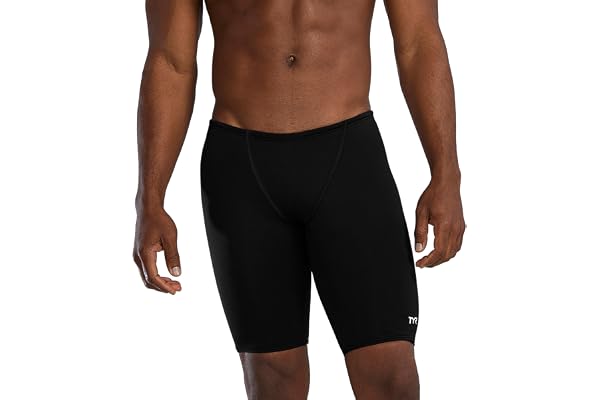
TYR Durafast Elite Solid Jammer
The go-to pick for swimmers logging regular pool hours who need fabric that won’t thin out or fade after a season of training.
Check Price on AmazonBest Swimsuits for Women
“Best for women” isn’t one style — it spans everything from full-coverage training suits to statement one-pieces built for a pool day. The common thread among the picks that actually perform well is a racerback or adjustable-strap construction that stays put through movement, paired with a fabric blend that resists sagging after repeated washes.
Racerback silhouettes in particular tend to outperform thin-strap or halter styles for anyone spending real time in the water, since the wider back panel distributes tension across the shoulders instead of concentrating it on two thin straps. For a longer list of standout styles across price points, browse our full best swimsuits for women guide, and if you’re shopping for a statement piece, our Sports Illustrated swimsuit style picks are worth a look for inspiration.
Print and structure don’t have to be a trade-off. A bold print can absolutely sit on top of a genuinely supportive, well-built suit — the mistake is assuming that a fun pattern automatically means a flimsier construction underneath. Check the lining, seam finishing, and strap width the same way you would on a plain suit; the print is the last decision, not a substitute for the rest of the checklist.
Lining is another detail that’s easy to overlook until it’s a problem. A fully lined suit holds its shape better over time and stays more opaque when wet, which matters most in lighter colors. A partially lined or unlined suit can feel lighter and dry faster, but it’s worth checking reviews specifically for see-through complaints before choosing a pale color in an unlined style.
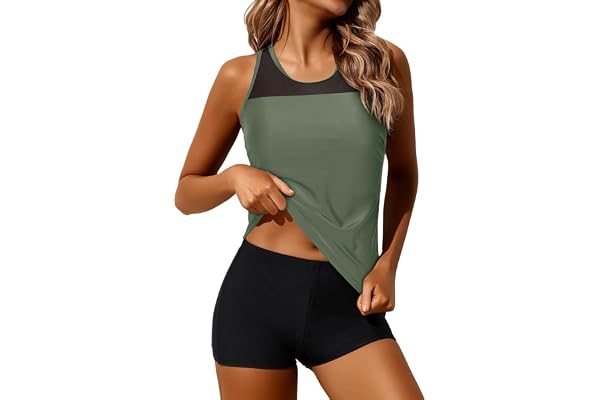
Yonique Athletic Racerback Swimsuit
A snug, supportive racerback cut that holds up well across repeated pool sessions.
View on Amazon
beautyin Athletic Racerback Swimwear
A budget-friendly racerback option that still delivers real torso support.
View on Amazon
Yonique Athletic Racerback Swimsuit
A well-rounded pick that balances support, coverage, and day-to-day durability for most women shopping outside the competitive category.
Check Price on AmazonBest Swimsuits for Men
Men’s swimwear splits fairly cleanly into three lanes: jammers for lap training and racing, briefs for competitive swimming where drag matters most, and board-short-style trunks for casual pool and beach use. Jammers have become the default recommendation for most recreational and club swimmers because they offer brief-level compression through the hips with knee-length coverage that reads as appropriate for public pools and gyms alike.
Look for a jammer with a flatlock or bonded seam (rather than a standard sewn seam) to cut down on chafing during longer sessions, and confirm the fabric is rated for chlorine resistance if you’re swimming in a treated pool several times a week. For a fuller rundown of trunks, jammers, and briefs, see our best swimsuits for men guide.
If you’re not sure which lane you fall into, think about where you’ll actually wear it. Board-short-style trunks are the right call for beach days, casual pool visits, and anywhere you’d rather have looser coverage; jammers make more sense for regular lap swimming or gym pools where trunks are often restricted; and briefs remain the choice for competitive swimmers who are optimizing purely for drag at meets rather than everyday comfort.
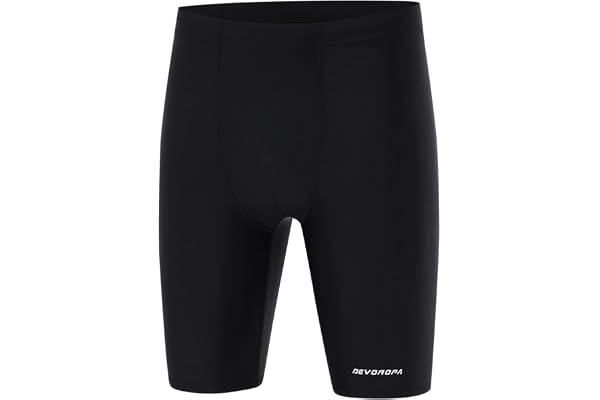
Devoropa Competitive Athletic Jammer
A solid entry-level jammer with a compression fit that’s snug without feeling restrictive.
View on Amazon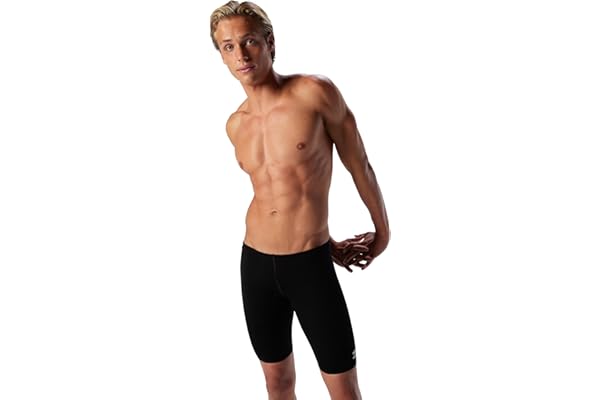
Speedo Endurance+ Solid Jammer
Built on Speedo’s long-running Endurance fabric, engineered specifically to resist chlorine breakdown over time.
View on Amazon
Devoropa Competitive Athletic Jammer
Our pick for men who want a comfortable, secure jammer without stepping up to a full race-fabric price tag.
Check Price on AmazonBest Plus-Size Swimsuits
The single biggest fit issue with plus-size swimwear isn’t the size range itself — it’s proportion. A suit that’s simply scaled up from a smaller pattern often ends up tight through the hips while gaping at the chest, or vice versa. The suits that actually work well at larger sizes are cut with wider shoulder straps to distribute weight, reinforced panels through the torso, and higher leg openings that are engineered for the size rather than stretched from a smaller template.
A racerback or crossback construction tends to perform better than thin adjustable straps at plus sizes, since it spreads tension across a wider area instead of digging into the shoulders. Full-coverage racerback training suits, in particular, translate well because they’re already built with reinforced support in mind. Our dedicated best plus-size swimsuits guide covers a wider size range and more brands if you want to compare further.
Pay attention to where a suit’s torso panel seams sit, too. Suits with a princess-seam or paneled construction through the midsection tend to hold their shape and offer light structure without feeling like a compression garment, while a single unbroken panel of fabric relies entirely on the stretch of the material itself to hold everything in place. Neither is objectively better, but knowing the difference helps you choose based on how much structure you actually want.
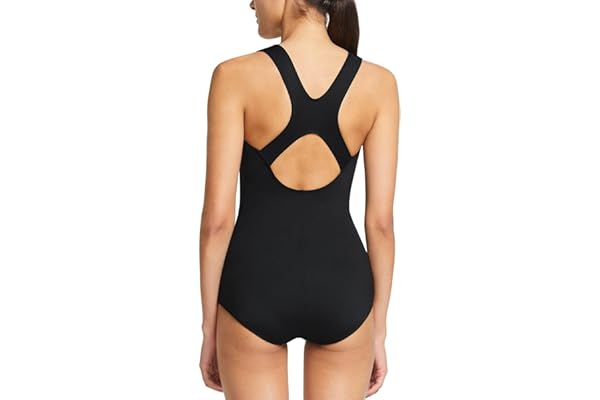
Baleaf Conservative Athletic Racerback Swimsuit
A full-coverage racerback cut with reinforced support panels — a strong starting point for anyone who wants both coverage and structure.
Check Price on AmazonBest Modest Swimsuits
Modest swimwear covers more ground than most people expect — it’s not just about longer shorts or higher necklines, it’s about layering pieces that hold everything securely in place under an outer suit. A well-chosen base layer or built-in liner keeps a modest swimsuit from shifting during actual activity, rather than just adding fabric for coverage’s sake.
If you’re building a modest swim outfit from separate pieces — a longer top, a swim skirt or shorts, and a supportive base layer — look for moisture-wicking, quick-dry fabric on every layer, since double-layered swimwear that holds water gets heavy fast. Our full best modest swimsuits guide breaks down full outfit combinations in more depth.
A common mistake is treating modest swimwear as a single product rather than an outfit system. Building it in layers — a fitted base, a looser mid layer, and an optional outer piece — actually gives you more control over coverage and movement than trying to find one all-in-one suit that does everything at once, and it makes it easier to adjust for different settings, from a backyard pool to open water.
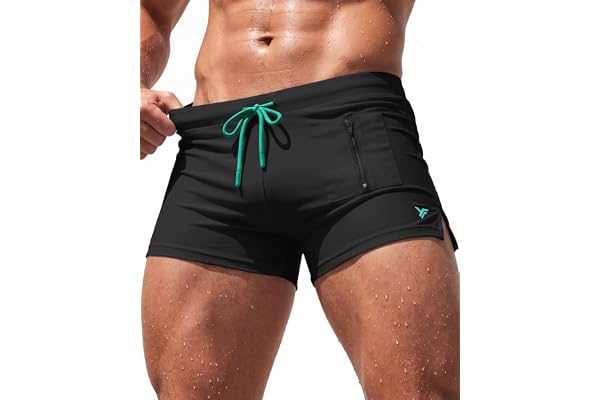
Swimwear Essentials Layering Base
A practical layering essential worn underneath a longer top or skirt to keep modest swimwear secure and comfortable through real movement.
Check Price on AmazonBest Swimsuit Cover-Ups
A cover-up is the piece people buy last and end up using constantly — walking from the pool to the parking lot, sitting down for lunch without dripping on a restaurant chair, or covering up quickly when the sun gets intense. The most useful cover-ups aren’t necessarily the flowy resort-wear pieces in ads; a stretch drawstring short or wrap that goes on over a wet suit without clinging is often more practical for everyday pool trips.
Look for quick-dry, breathable fabric and a relaxed (not skin-tight) fit so it goes on easily over a suit that’s still damp. For dedicated cover-up styles across more occasions, see our best swimsuit cover-ups guide.
Lightweight synthetic knits and mesh-style fabrics tend to outperform heavier cotton for this job, since cotton absorbs water from a wet suit and stays damp and heavy for the rest of the outing. A synthetic cover-up shakes off moisture quickly and packs down small enough to stuff in a pool bag without adding much bulk.
YOCUR High-Waisted Drawstring Swim Shorts
Doubles easily as a lightweight, throw-on cover for the walk from the pool to the car or a quick lunch break poolside.
Check Price on AmazonFabric & Technology Guide
Almost every swimsuit fabric is some blend of nylon or polyester with spandex (also labeled elastane or Lycra), and the ratio between them tells you most of what you need to know before you buy.
| Fabric Blend | Chlorine Resistance | Stretch & Recovery | Best Use |
|---|---|---|---|
| Polyester-heavy (≈80/20) | Excellent | Moderate — holds shape longer | Regular lap training, chlorine pools |
| Nylon-heavy (≈80/20) | Fair — breaks down faster | High — very stretchy feel | Occasional swims, lounging, fashion suits |
| PBT/specialty fiber blends | Very good | High with strong recovery | Competitive racing suits |
If you swim in a chlorinated pool more than once a week, a polyester-heavy or specialty-fiber suit is almost always worth the extra cost — nylon-heavy suits tend to thin out, lose elasticity, and fade noticeably faster under regular chemical exposure. Rinsing a suit in fresh water immediately after swimming also slows that breakdown regardless of fabric type, which we cover in more detail in the care section below.
UPF-rated fabric is worth prioritizing for anyone swimming outdoors regularly; a UPF 50+ suit blocks the vast majority of UV rays and meaningfully cuts down on sun exposure across the areas it covers, compared to an untreated fabric of the same thickness.
Chlorine and salt water break fabric down differently, which matters if you split time between a pool and the ocean. Chlorine attacks spandex fibers directly, gradually reducing elasticity even with careful rinsing. Salt water is gentler on stretch but leaves fine crystals in the fabric weave if it isn’t rinsed out, which can feel scratchy and slowly wear at the fibers from the inside. Either way, the fix is the same: a fresh-water rinse as soon as possible after getting out.
Odor resistance is a smaller detail but a real one for anyone training multiple times a week. Some suits are treated with an antimicrobial finish that slows bacterial buildup between washes, which matters more than it sounds — a suit that’s rinsed but not fully washed after every session can start to hold onto odor well before it shows any visible wear. If you’re training often and not hand-washing after every single swim, an antimicrobial-treated fabric is worth the small premium.
Sizing & Fit Guide
Swimsuit sizing is notoriously inconsistent across brands, and the fix is almost always the same: measure yourself and compare against the specific brand’s chart rather than ordering your usual clothing size. Bust, underbust, waist, and hip measurements — taken with a soft tape measure, not guessed — will get you a far more reliable fit than size alone.
A few practical fit checks to run before you commit to a suit for regular use:
- Leg opening: should sit at or just below the hip crease without digging in when you sit down.
- Shoulder straps: should stay in place through a full arm rotation without needing constant adjustment.
- Torso length: a suit that’s too short will ride up with every stroke; too long and it bunches at the waist.
- Stretch recovery: a suit that’s already loose in the store will only get looser once it’s wet.
Shopping for kids follows the same logic on a smaller scale — a suit that’s snug (not restrictive) in the store will hold its fit through swim lessons far better than one bought a size “roomy” to grow into.
It’s also worth re-measuring rather than assuming last year’s size still applies. Bodies change, fabric technology changes, and brands periodically revise their size charts, so a suit that fit perfectly a year or two ago isn’t a reliable size reference today. Treat every new purchase as its own measurement check rather than working from memory.
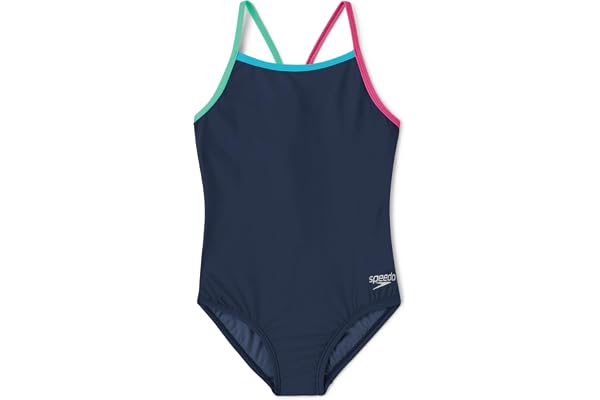
Speedo Girls’ One-Piece Swimsuit
Secure straps and a snug, age-appropriate cut built to hold up through swim lessons.
View on Amazon
Speedo Little Learn-to-Swim Jammer
A comfortable, easy-on-easy-off jammer designed for young swimmers just starting lessons.
View on AmazonCare & Maintenance
Most swimsuits die from chemical exposure and heat, not normal wear. Chlorine and salt water both break down spandex fibers over time, and heat from a dryer or a hot car accelerates that breakdown dramatically.
Do this after every swim
- Rinse in cool fresh water immediately, before it dries
- Hand-wash with a mild, fragrance-free detergent
- Lay flat or hang to air dry, away from direct sun
Avoid these fabric-killers
- Tossing it in the washing machine or dryer
- Leaving it balled up wet in a swim bag
- Sitting in a wet suit longer than necessary post-swim
Rotating between two suits, rather than relying on a single one for every session, also roughly doubles the useful life of each — giving the fabric time to fully dry and recover its elasticity between wears instead of staying compressed and damp.
Storage matters just as much as washing. Fold a dry suit loosely rather than compressing it tightly in a drawer, and avoid storing it anywhere near direct heat, like a car trunk or a sunny windowsill. For travel, a breathable mesh bag beats a sealed plastic bag every time — sealing a damp suit in plastic traps moisture against the fabric and speeds up exactly the kind of breakdown you’re trying to avoid.
Full Swimsuit Comparison Table
Here’s every pick from this guide side by side, so you can compare category, fit style, and price tier in one pass before clicking through. If you’re also due for new gear, pairing any of these with a properly fitted pair from our best swimming goggles guide rounds out a full pool kit.
| Product | Category | Fit Style | Link |
|---|---|---|---|
| Speedo Female One-Piece Swimsuit | One-Piece | Moderate leg, shelf lining | View |
| Speedo Women’s Standard Swimsuit | One-Piece | Classic athletic cut | View |
| beautyin Swimming Costume | One-Piece | True-to-size everyday cut | View |
| beautyin Athletic Two-Piece | Two-Piece | Supportive top + secure bottom | View |
| YOCUR Drawstring Swim Shorts | Bottoms / Cover-Up | High-waisted, relaxed | View |
| TYR Durafast Elite Solid Jammer | Competitive | Jammer, compression | View |
| Baleaf Athletic Training Swimsuit | Competitive | Adjustable racerback | View |
| Runhit Competitive Swimsuit | Competitive | Racerback, compression | View |
| Swimming Athletic Professional Swimsuit | Competitive | Racerback, fade-resistant | View |
| Gradual Sleeveless Workout Swimsuit | Competitive / Fitness | Sleeveless athletic | View |
| Yonique Athletic Racerback Swimsuit | Women’s | Racerback | View |
| beautyin Athletic Racerback Swimwear | Women’s | Racerback | View |
| Devoropa Competitive Athletic Jammer | Men’s | Jammer, compression | View |
| Speedo Endurance+ Solid Jammer | Men’s | Jammer, chlorine-resistant | View |
| Baleaf Conservative Racerback Swimsuit | Plus-Size / Full Coverage | Reinforced racerback | View |
| Swimwear Essentials Layering Base | Modest | Under-layer base | View |
| Speedo Girls’ One-Piece Swimsuit | Kids | Secure-strap one-piece | View |
| Speedo Little Learn-to-Swim Jammer | Kids | Easy-on jammer | View |
Frequently Asked Questions
How do I know what size swimsuit to buy?
Measure your bust, underbust, waist, and hips with a soft tape measure, then compare those numbers against the specific brand’s size chart rather than your usual clothing size. Swimwear sizing varies significantly between brands, so a chart-based measurement is far more reliable than assuming your regular size will carry over.
What’s the difference between a tankini and a bikini?
A tankini pairs a longer, tank-style top (usually reaching the waist or hips) with a separate bottom, offering more torso coverage than a bikini while still keeping the flexibility of two independent pieces. A bikini’s top is typically much shorter and offers less midsection coverage.
How long do swimsuits actually last with regular chlorine pool use?
A polyester-heavy or specialty-fiber training suit worn several times a week typically holds its compression and color for a few months of regular use before it starts to noticeably stretch out or fade. Rinsing after every swim and avoiding the dryer both extend that lifespan considerably.
Are jammers better than briefs for lap swimming?
For most recreational and club swimmers, yes — jammers offer brief-level compression through the hips with knee-length coverage that reads as more appropriate for public pools and gyms. Competitive racers sometimes still prefer briefs for the marginal drag reduction, but jammers are the more practical everyday choice.
What fabric is best for a chlorine pool?
Polyester-heavy blends and specialty racing fibers (like PBT-based fabrics) resist chlorine breakdown far better than nylon-heavy blends. If you’re swimming in a treated pool more than once a week, prioritizing a polyester-forward or specialty-fiber suit will noticeably extend how long it holds its shape and color.
How do I stop a one-piece swimsuit from riding up?
Ride-up is almost always a sign the torso length or leg-opening cut doesn’t match your proportions, not a sizing issue alone. Look for a racerback or crossback style with a moderate (not extreme high-cut) leg opening, and make sure the torso length sits properly at the hip crease when you try it on.
Can I put a swimsuit in the washing machine?
It’s best avoided. Machine washing and drying both accelerate spandex breakdown through agitation and heat. Hand-washing in cool water with a mild, fragrance-free detergent, then laying the suit flat to air dry, will keep the fabric’s stretch and shape intact far longer.
What should I look for in a plus-size swimsuit?
Prioritize wider shoulder straps or a racerback design, reinforced panels through the torso, and a leg opening cut proportionally for the size rather than stretched up from a smaller pattern. Suits designed from the ground up at each size tend to fit far more evenly than scaled-up versions of a smaller cut.
Are cover-ups necessary, or just for style?
They’re genuinely practical, not just decorative. A quick-dry cover-up makes it easy to move between the pool, a restaurant, or a parking lot without dripping everywhere, and it adds a layer of sun protection during the walk between activities.
How often should I replace my swimsuit?
Most regularly worn suits need replacing roughly every one to two seasons of consistent chlorine pool use, sooner if you notice thinning fabric, faded color, or loss of stretch recovery. Rotating between two suits and rinsing after every swim will both meaningfully stretch out that timeline.
Final Verdict: Which Swimsuit Should You Actually Buy?
If you only take one thing from this guide, let it be this: buy for the activity first, and let style be the tiebreaker. A racerback one-piece or jammer built with chlorine-resistant fabric will outlast and outperform almost any lifestyle suit for regular pool use, while a comfortable two-piece or tankini gives you more flexibility if your time in the water is more about lounging than laps. Measure before you buy, check the specific brand’s size chart every time, and rinse your suit after every swim to get the most life out of it.
Whichever category fits your routine, the picks above are a solid, tested starting point rather than a random scroll through search results — start with the CTA in the section that matches how you actually swim.
It’s worth revisiting this list each season rather than just replacing a worn-out suit with the same one on autopilot. Your routine in the water might have shifted from casual laps to structured training, or from a single suit to a rotation of two — and matching the suit to where you actually are now, rather than where you were last year, is how you end up with swimwear that quietly works instead of something you’re constantly adjusting.
Explore More Swim Guides
Still narrowing things down? These related guides cover every style and body type in more depth:
Ready to Shop?
Start with our top overall pick — a supportive, chlorine-resistant one-piece that works for both training and everyday pool days.
Shop the Top Pick on Amazon