Best Swimsuits for Women: The Ultimate Guide to Finding Your Perfect Fit
Whether you’re shaping, hiding, showing off, or just trying to survive a return-to-the-pool moment with your dignity intact — this guide breaks down the styles, fabrics, and fits that actually work, plus our top picks in every category.
See our top overall pick ↓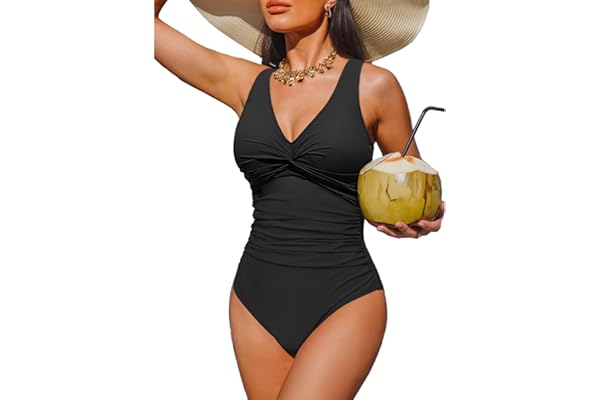
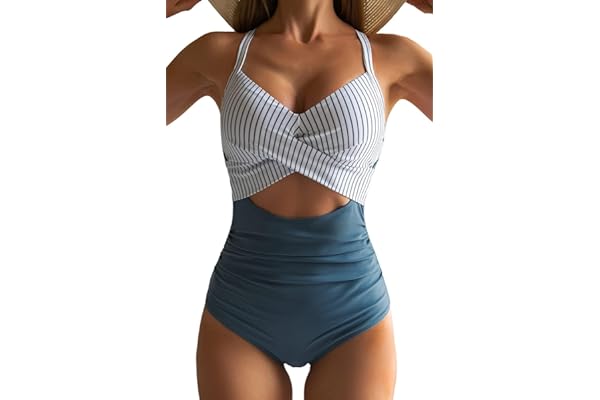
Runner-up for shaping: the Eomenie tummy-control high-waisted swimsuit is the suit we point to most often when someone asks for extra core coverage without sacrificing style. More on that below.
This guide contains affiliate links. As an Amazon Associate, SwimInsider earns from qualifying purchases at no extra cost to you. Every pick below was chosen on the merits of its design, materials, and fit — not because a brand asked us to.
Buying a swimsuit online is one of those tasks that sounds simple until you’re twelve browser tabs deep, comparing “tummy control” claims and wondering if “true to size” means anything at all. It doesn’t have to be that hard. We combed through the current lineup of top-rated women’s swimsuits to find the styles that consistently deliver on fit, coverage, and value — and organized them by what you’re actually shopping for, whether that’s a one-piece that hides everything you want hidden, a tankini that makes bathroom breaks less of an ordeal, or a rash guard that keeps your shoulders from turning into a cautionary tale.
Below, you’ll find our quick-comparison table for a bird’s-eye view, a full guide on choosing a suit for your body and lifestyle, and deep dives into eleven standout styles. If you’re shopping for a specific fit issue — tummy control, extra coverage, sun protection — jump straight to that section using the menu on the left (or above, if you’re on mobile).
We didn’t pick these eleven because they were the most talked-about suits on social media, and we didn’t pick them because a brand sent us a sample. Every style here earned its spot by solving a specific, common shopping problem well: a shaping panel that actually shapes, a strap system that stays put through actual movement, a coverage level that matches what it claims on the label. That’s a lower bar than it should be, honestly, given how much swimwear marketing leans on aspirational photography over functional detail — but it’s exactly the bar we used, and it’s why this list skews toward suits that perform rather than suits that just photograph well on a hanger.
How We Chose These Swimsuits
We started with a wide pool of top-rated women’s swimsuits and narrowed it down using the same questions we’d want answered before spending our own money. Does the “tummy control” or “slimming” claim hold up against actual construction details, or is it just marketing language attached to a regular lining? Do customer photos across a range of body types match the product photography, or is the listing image doing all the work? Are strap systems, closures, and linings described specifically enough to know what you’re getting, rather than vague catch-all phrases like “flattering fit” with nothing to back it up?
We also intentionally organized this list by function rather than by trend. Instead of asking “what’s popular right now,” we asked “what problem is a shopper actually trying to solve when she searches for this,” whether that’s hiding a post-surgery scar, avoiding strap tan lines before a big event, or just wanting a suit sturdy enough to survive a summer of pool days with young kids. Each pick below represents the strongest option we found for its specific category, not necessarily the single best-selling suit overall — because the best-selling suit for tummy control and the best-selling suit for a bachelorette party are rarely the same product, and shouldn’t be treated as interchangeable.
Finally, every pick had to clear a basic coverage-of-claims bar: if a listing said “high waisted,” the waist actually needed to sit above the navel in customer photos; if it said “removable straps,” the mechanism needed to be described clearly enough that a shopper wouldn’t be guessing at how it worked after unboxing. Suits that looked good in isolation but had vague or inconsistent claims across their own product listing didn’t make the cut, regardless of how flattering the hero image was.
Quick Comparison: Best Swimsuits for Women
Short on time? Here’s how our top eleven picks stack up before we get into the details.
| Swimsuit | Best For | Style | Standout Feature | Check Price |
|---|---|---|---|---|
| Holipick Vintage Slimming Monokini | Best overall | One-piece monokini | Retro silhouette with shirred slimming panel | Amazon |
| Eomenie Control Waisted Swimsuit | Tummy control | High-waisted one-piece | Dedicated core-shaping panel | Amazon |
| Holipick Bandeau Strapless Swimsuit | Tan-line-free sunbathing | Strapless bandeau | Removable straps for two ways to wear | Amazon |
| Herseas Textured Swimsuit | Vacation and resort wear | One-piece, textured fabric | Ribbed texture adds dimension | Amazon |
| Herseas One-Shoulder Swimsuit | Fashion-forward poolside looks | One-shoulder, removable strap | Convertible asymmetric neckline | Amazon |
| Holipick Tankini | All-day comfort | Tankini, tummy control | Two-piece ease, one-piece coverage | Amazon |
| Eomenie Swim Dress | Maximum coverage | Swim dress with control lining | Attached skirt hides the thighs | Amazon |
| Blooming Jelly Bathing Slimming Swimsuit | Retro-inspired everyday wear | One-piece, slimming fabric | Classic silhouette, modern stretch | Amazon |
| Blooming Jelly Control Slimming Swimsuit | Active days at the pool | High-neck, tummy control | Sporty neckline with shaping lining | Amazon |
| IUGA Sun Protection Swimwear | Sun safety and long days outdoors | Long-sleeve rash guard | UPF-rated fabric with pockets | Amazon |
| geluboao High-Waisted Two-Piece | Bikini coverage with a twist | High-waisted, Brazilian-cut bottom | Tummy coverage meets leg-lengthening cut | Amazon |
How to Choose the Right Swimsuit for Your Body and Lifestyle
Before you fall in love with a print or a cutout, it helps to get clear on two things: what you actually need this swimsuit to do, and what body you’re dressing for. Neither question is complicated, but skipping this step is exactly how so many suits end up returned, or shoved to the back of a drawer after a single wear.
Start With How You’ll Actually Use It
A swimsuit for lounging poolside with a drink in hand has almost nothing in common, structurally, with a swimsuit for swimming twenty laps or chasing a toddler through the shallow end. Before you shop by print or color, shop by verb: are you sunbathing, swimming, playing, or all three? If you train seriously or swim competitively, tummy-control linings and skirted bottoms will only slow you down — you’ll want something built for speed and range of motion, which is exactly the territory our best competitive swimsuits guide covers. If you’re mostly there to float, tan, and take photos, comfort and coverage can take priority over hydrodynamics.
It’s also worth thinking about who else is shopping. If you’re outfitting the whole family, our best swimsuits for men guide rounds up trunks and jammers that pair well with anything on this list, so you’re not color-coordinating from two completely different corners of the internet.
Find Your Fit by Body Shape
There’s no single “best” silhouette — there’s the one that flatters what you’ve got and feels good to move in. A few starting points:
- Hourglass: balanced busts and hips do well in almost anything, but a defined waist (ruching, a belt detail, or a wrap front) tends to photograph best.
- Apple or fuller midsection: look for shirred or ruched fabric across the stomach, a higher neckline, and an empire or A-line cut that skims rather than clings.
- Pear shape: a top with a little visual volume — ruffles, a bold print, or a bandeau — balances hips nicely, paired with a mid-rise or high-waisted bottom.
- Athletic or rectangle: cutouts, asymmetric necklines, and belted waists create curves where a straight torso doesn’t naturally have them.
- Petite: vertical seaming and higher-cut legs elongate; oversized prints and thick horizontal stripes can overwhelm a smaller frame.
If you’re shopping in extended sizes, fit comes down to construction more than trend — wide-set straps, real side support, and firm-but-not-punishing compression matter more than which influencer wore it. Our best plus-size swimsuits guide goes deep on the brands and cuts that get this right.
A Quick Fabric and Fit Glossary
A few terms come up on almost every product listing, and they’re worth understanding before you buy:
- Tummy control / shaping panel: an inner lining, usually a denser knit sewn behind the main fabric, that gently compresses the stomach. It won’t change your size, but it smooths and holds.
- Nylon-spandex vs. polyester-spandex: nylon blends feel softer and stretch more but break down faster with chlorine exposure; polyester blends hold their shape longer with frequent pool use.
- UPF rating: Ultraviolet Protection Factor measures how much UV radiation a fabric blocks. Everyday swimwear offers some protection, but anything labeled UPF 50+ is built specifically for fair or sun-sensitive skin.
- Ruching / shirring: gathered fabric that creates texture and, conveniently, hides exactly the area it covers.
- Bandeau / strapless: a tube-style top, sometimes with removable straps, that eliminates strap tan lines and works under off-shoulder cover-ups.
- Compression vs. power mesh lining: compression linings tend to be denser and firmer, offering the most noticeable shaping effect; power mesh is lighter and stretchier, offering a gentler smoothing effect with more flexibility for movement. Neither is objectively better — it’s a trade-off between how much hold you want and how much you want the suit to move with you.
Getting the Size Right
Swimsuit sizing runs notoriously inconsistent between brands, so the single most useful thing you can do is measure yourself and check each listing’s specific size chart rather than assuming your usual size. Measure your bust at the fullest point, your natural waist, and your hips at the widest point, then compare against the chart rather than the label. When you’re between sizes, size up for a suit with a shaping or compression panel (it’s meant to feel snug), and size down slightly for a stretchy bandeau style. Adjustable straps and tie-side bottoms are your friend if you’re unsure — they buy you a little forgiveness in either direction.
It also helps to measure at the actual time of day and in the actual state you’ll typically be wearing the suit — body measurements shift slightly throughout the day, and a measurement taken first thing in the morning can differ from one taken after a meal later on. Use a soft measuring tape, keep it parallel to the floor, and avoid pulling it tight enough to compress the skin; the goal is an accurate read of your body, not your smallest possible number.
Caring for Your Swimsuit (So It Lasts More Than One Summer)
Chlorine and sun oil are the two fastest ways to age spandex. Rinse your suit in cool water immediately after every wear, even if you’re heading straight home. Hand wash with a mild detergent instead of tossing it in the washing machine, skip the dryer entirely, and lay it flat on a towel out of direct sunlight. Suits with a dedicated shaping lining last noticeably longer when they aren’t stretched out in a hot dryer — a five-minute habit that buys you a full extra season of wear.
Color, Print, and Occasion
Once fit and function are settled, color and print are where personal taste actually gets to lead. A few practical notes worth keeping in mind: darker solids (navy, black, deep terracotta) genuinely do read as more slimming than a busy print, simply because there’s no visual break in the fabric to draw the eye around. That doesn’t mean prints are off-limits — a mid-scale print in a single color family tends to be more forgiving than a large, high-contrast pattern, which can visually widen whatever area it sits on. Vertical stripes and diagonal color-blocking elongate; wide horizontal bands do the opposite.
Occasion matters too. A suit you’re wearing to a resort pool with a full day of photos ahead of you can lean more into texture, print, or a statement neckline. A suit you’re packing for a week of actual swimming with kids should prioritize secure straps, a supportive lining, and a color that won’t show chlorine fade after repeated wear. It’s entirely reasonable to own more than one suit for more than one job — in fact, most of the return complaints we see in customer reviews trace back to someone trying to make a single suit do too many different jobs at once.
Budget: What You’re Actually Paying For
Swimsuit prices in this category generally run anywhere from budget-friendly to noticeably higher-end, and the price difference usually comes down to a few specific things rather than pure branding. Higher spandex content (typically 18–25%, versus a bare-minimum 10–12%) holds shape through more wear cycles. A separately constructed lining, rather than a suit with the shaping fabric built directly into a single layer, tends to compress more evenly and last longer. And double-stitched or bonded seams hold up better to the twisting and stretching that happens getting a wet suit on and off.
None of that means the most expensive option is automatically the best choice for you. If you’re shopping for a single vacation or a suit you expect to wear for one season, it’s completely reasonable to prioritize the style and fit you want most and treat the suit as seasonal rather than an investment piece. If you swim regularly — laps, water aerobics, or just daily pool time with kids — spending a bit more on construction quality tends to pay for itself in fewer replacement purchases.
Check Price on Amazon
Holipick Vintage Slimming Monokini
Holipick Vintage Slimming Monokini
When we had to pick a single swimsuit to recommend to someone who gave us zero other information — no body type, no occasion, no color preference — this is the one we’d hand her. It’s technically a monokini (a one-piece with a bit of side interest, closer in spirit to our best one-piece swimsuits roundup than a bikini), which means you get the coverage confidence of a one-piece with a slightly more distinctive silhouette than a basic tank suit.
The retro-inspired cut and shirred body fabric do the heavy lifting here: the ruching creates texture that naturally camouflages the stomach and lower back, while the classic scoop neckline keeps the whole thing feeling more “vintage pin-up” than “trying too hard.”
Why We Picked It
- Shirred, slimming body fabric that skims rather than clings
- Classic retro silhouette with a flattering scoop neckline
- Moderate-to-full coverage suitable for most settings
- Works across a wide range of body types, not just one
Good for: first-time online swimsuit shoppers who want a safe, flattering bet; pool days; vacations; anyone who wants one suit that does most things well.
What consistently comes up in customer feedback is how forgiving the cut is across different torso lengths — the ruching has enough give that it doesn’t create a hard stopping point the way a rigid seam sometimes does on shorter or longer-waisted bodies. It also holds its shape reasonably well after repeated wear, which matters more for a suit positioned as an everyday default than it does for a special-occasion piece you might only wear a handful of times.
Pros
- Flattering on multiple body types
- Slimming ruched fabric that hides more than it shows
- Classic silhouette that photographs well
Cons
- Not built for serious lap swimming
- Can run snug through the torso — check the size chart
- Less coverage than a full-skirt style if that’s what you need
Check Price on Amazon
Eomenie Control Waisted Swimsuit
Eomenie Control Waisted Swimsuit
If tummy control is the entire reason you clicked into this article, start here. This is a dedicated shaping suit, not a regular swimsuit with “slimming” in the title and nothing structural behind it. The high-waisted design and built-in control panel work together — the panel compresses, the high waist covers — so you get support both across the stomach and up over the lower belly.
Wide-set straps distribute the pull of the shaping fabric across your shoulders instead of digging in at two thin points, which matters more than it sounds like it should after a few hours poolside.
Why We Picked It
- Structured control panel through the core, not just marketing language
- High-waisted cut that smooths the lower belly too
- Wide, comfortable straps that reduce shoulder dig
Good for: postpartum bodies, anyone wanting confident core coverage, everyday pool lounging, and shoppers who’ve been burned by “slimming” suits that weren’t.
One detail worth calling out: because the compression is real rather than cosmetic, this style tends to feel noticeably different the first few times you wear it compared to an unlined suit. Most shoppers describe an adjustment period of a wear or two before the fit feels familiar rather than restrictive, so it’s worth trying it on and moving around — sitting, bending, reaching overhead — before committing to it as your go-to for a full day out.
Pros
- Genuinely structured shaping, not just a marketing claim
- High waist adds coverage beyond just the stomach
- Wide straps reduce shoulder discomfort
Cons
- Shaping fabric feels snugger getting in and out
- Warmer to wear than a thin bandeau style
- Less stretch overall, so sizing up is often the right call
Check Price on Amazon
Holipick Bandeau Strapless Swimsuit
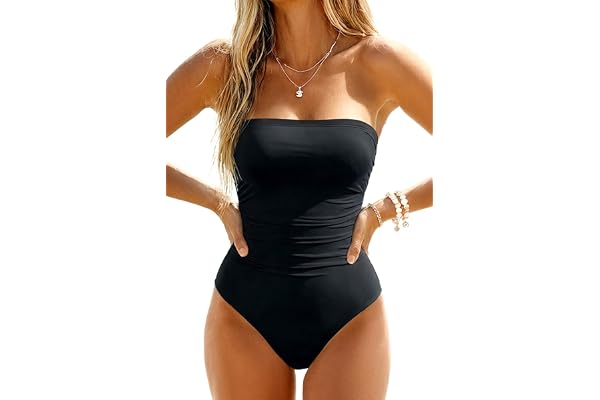 Holipick Bandeau Strapless Swimsuit
Strap tan lines are a small thing until you’re wearing an off-shoulder top three weeks later and staring at two pale bands across your shoulders. A bandeau silhouette solves that by design, and this one includes the option to add straps back in when you want more security — useful for a windier beach day or a suit that needs to survive actual swimming, not just standing in water looking cute.
It also happens to be one of the easiest styles to dress up: add a sarong or one of the picks from our best swimsuit cover-ups guide and you’ve got a beach-to-lunch outfit without changing.
Why We Picked It
- Removable straps give you two ways to wear it
- No strap tan lines
- Flattering tube silhouette that layers well under cover-ups
Good for: sunbathers who want an even tan, layering under off-shoulder pieces, and anyone who wants one suit that can go from pool to a beach lunch.
A quick tip on fit: because a bandeau relies on stretch and body tension rather than straps for support, it’s one of the few styles here where sizing down slightly, rather than following your usual size chart instinct, tends to produce a more secure fit. If you’re between sizes and plan to wear it without the straps attached, the smaller size is usually the safer call.
Pros
- No strap tan lines
- Doubles as a going-out look with straps added
- Versatile with cover-ups and sarongs
Cons
- Needs a snugger fit to stay put — size down if unsure
- Less secure for active swimming or diving in
- May need occasional readjusting after getting wet
Check Price on Amazon
Herseas Textured Swimsuit
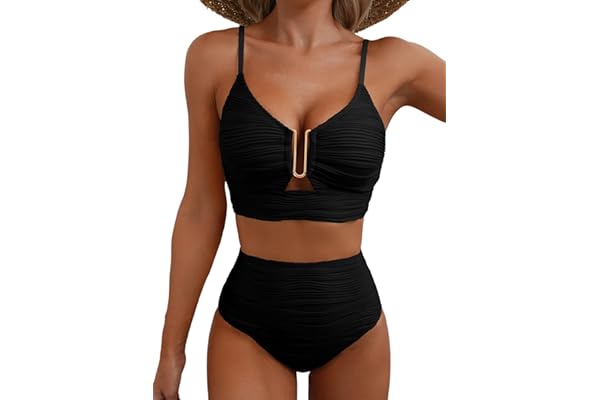 Herseas Textured Swimsuit
Every trip needs one suit that earns its place in the photo album, and this is that suit. The ribbed, textured fabric adds real visual dimension — it catches light differently than a flat solid, which reads as more expensive than it is, and it has a subtle firming effect on the surface of the fabric that a plain jersey knit doesn’t offer.
If the goal is a statement-making, magazine-cover kind of look, it’s also worth browsing our best Sports Illustrated–inspired swimsuits guide for more of that high-impact styling.
Why We Picked It
- Textured, ribbed fabric adds dimension without a busy print
- Resort-ready cut that photographs well
- Versatile enough for both pool and beach settings
Good for: destination trips, resort pools, and anyone tired of plain solid-color suits.
The textured knit also tends to photograph better than a flat fabric under harsh midday sun, which is exactly the lighting condition most vacation photos get taken in. Where a smooth solid can look flat or washed out in bright light, the ribbing catches shadow and adds depth, so it holds up well across the kind of casual phone photography most people are actually taking poolside.
Pros
- Texture adds visual interest without needing a print
- Elevated, resort-ready look
- Flattering, subtly firming fabric surface
Cons
- Textured fabric can hold a bit more water weight when wet
- Rinse promptly to protect the texture over time
- Texture may show wear sooner than a smooth solid
Check Price on Amazon
Herseas One-Shoulder Swimsuit
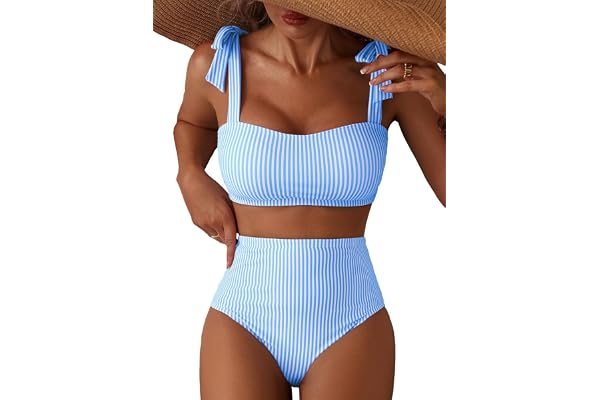 Herseas One-Shoulder Swimsuit
An asymmetric neckline does something a symmetrical suit can’t: it creates a diagonal line across the body that reads as more dynamic and, for straighter torsos, adds the illusion of curve without a single cutout. This one includes a removable strap, so it converts between a true one-shoulder look and a more secure two-strap fit depending on the day.
Why We Picked It
- Asymmetric neckline flatters athletic and rectangle body types
- Removable strap adds versatility between two looks
- Elevated, editorial silhouette compared to a basic tank suit
Good for: fashion-forward shoppers, poolside events, and anyone who wants visual interest without relying on cutouts or prints.
If you’re deciding between the single-strap look and the fully secured two-strap version, consider what the day actually involves. A one-shoulder look is a great choice for lounging, photos, or a low-key beach club afternoon, but for anything involving real movement — swimming, volleyball, chasing kids into the waves — clipping the second strap back on gives you meaningfully more security without changing the overall silhouette much at all.
Pros
- Genuinely more flattering for straighter body types
- Convertible strap adds real versatility
- Reads as elevated, not basic
Cons
- A single strap offers less support for a fuller bust
- Tan line is asymmetric, which won’t bother everyone equally
- Takes a size or two of trial to find the most secure fit
Check Price on Amazon
Holipick Tankini Control Swimwear
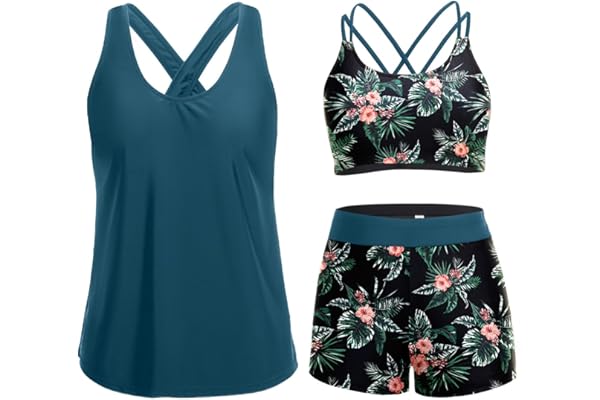 Holipick Tankini Control Swimwear
The tankini exists to solve problems one-pieces create: needing a different size on top than on bottom, dreading bathroom breaks in a wet, clingy suit, and wanting a little airflow on a hot day. This one adds a tummy-control lining to the top, so you get the shaping benefit without giving up any of that two-piece convenience.
If a tankini is already your go-to style, our full best tankini swimsuits roundup has more options across prints, coverage levels, and price points.
Why We Picked It
- Tummy-control lining built into a flowy tankini top
- Separate top and bottom sizing solves proportion mismatches
- Genuinely easier bathroom breaks than a one-piece
Good for: parents at the pool, all-day comfort, and anyone whose top and bottom half don’t wear the same size.
The mix-and-match sizing is genuinely the underrated feature here. Most swimsuit shoppers eventually run into the frustration of a suit that fits perfectly through the bust but gapes at the hip, or the reverse, because a one-piece forces a single size to do the job of two. A tankini sidesteps that entirely, and it’s worth ordering your correct top and bottom sizes independently rather than defaulting to whichever size feels like the “safe” middle choice.
Pros
- Mix-and-match top and bottom sizing
- Easier bathroom breaks than a one-piece
- Flowy fit hides the stomach without a stiff panel
Cons
- More movement in the water during active swimming
- Possible gap between top and bottom if sized incorrectly
- Reads a bit more casual than a structured one-piece
Check Price on Amazon
Eomenie Swimdress Control Dress
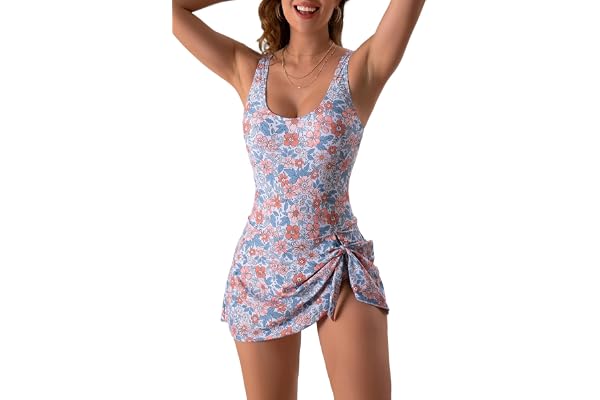 Eomenie Swimdress Control Dress
Of everything on this list, the swim dress offers the most coverage without reading as a “cover-up” pretending to be a swimsuit. The attached skirt skims over the hips and upper thighs — genuinely one of the trickiest areas to dress confidently in swimwear — while a shaping panel in the bodice handles the midsection the same way our other control styles do.
It’s a natural fit for anyone specifically after modest coverage; our best modest swimsuits guide has more options in this same spirit if you want to compare necklines and skirt lengths.
Why We Picked It
- Attached skirt covers hips and upper thighs
- Built-in shaping panel through the bodice
- Reads as a genuine dress, not an obvious cover-up
Good for: modest coverage preferences, sun-sensitive skin, first-time swimsuit shoppers wanting extra confidence, and anyone who simply prefers more fabric.
Because it reads as a genuine dress rather than a swimsuit with an add-on skirt, this style also transitions more naturally into the rest of a pool day — walking to the snack bar, sitting at a table for lunch, or heading straight into a beach town for the afternoon without needing to change or grab a cover-up first. That versatility is a big part of why it consistently shows up as a repeat purchase in customer reviews rather than a one-summer buy.
Pros
- Maximum coverage without looking like a beach cover-up
- Skirt disguises the hip and thigh area
- Shaping panel adds a second layer of confidence
Cons
- Skirt can create light drag while actively swimming
- More fabric means a longer dry time
- Less ideal for water play that involves a lot of movement
Check Price on Amazon
Blooming Jelly Bathing Slimming Swimsuit
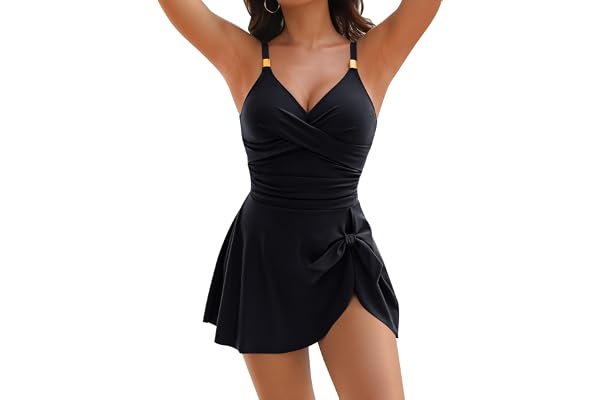 Blooming Jelly Bathing Slimming Swimsuit
Not every swimsuit needs to reinvent itself. This one leans into a classic silhouette — the kind that was flattering a decade ago and will still be flattering next year — and updates it with a modern slimming fabric that offers real compression and recovery instead of just looking retro on the outside.
It’s the suit we’d recommend to someone who wants to stop thinking about swimsuit shopping entirely: reliable, comfortable, and not going anywhere stylistically.
Why We Picked It
- Classic silhouette that won’t look dated next season
- Slimming fabric with genuine stretch and recovery
- Comfortable enough for genuinely all-day wear
Good for: everyday swimmers who want a dependable, no-drama fit, and anyone who wants classic over trendy.
This is also a smart pick if you’re buying more than one swimsuit at once — say, restocking after a move or shopping for a family trip — since a classic silhouette in a solid or small-scale print pairs easily with whatever cover-ups, sandals, or accessories you already own, rather than requiring you to build an outfit around one statement piece.
Pros
- Dependable, classic cut that won’t date quickly
- Good stretch recovery wash after wash
- Comfortable for extended wear
Cons
- Fewer standout details than more trend-driven picks
- Coverage is moderate, not full-skirt level
- Some panels run slightly narrower — check the size chart
Check Price on Amazon
Blooming Jelly Control Slimming Swimsuit
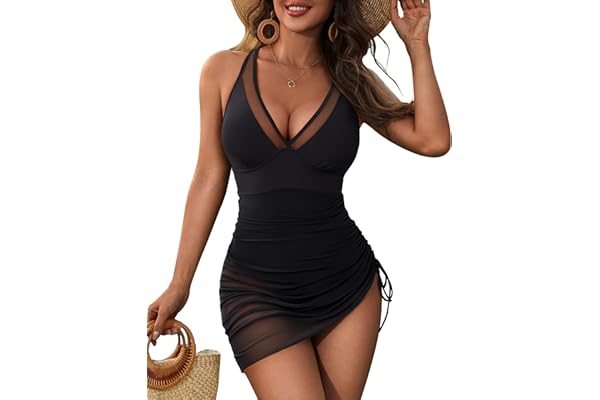 Blooming Jelly Control Slimming Swimsuit
A higher neckline changes the whole personality of a swimsuit — it reads more sporty, more secure, and, for a lot of women, more comfortable to actually move in. Paired with a tummy-control lining, this style splits the difference between an athletic one-piece and a shaping suit, which is a combination that’s harder to find than it should be.
Why We Picked It
- Higher, sportier neckline for more coverage up top
- Tummy-control lining built into an athletic silhouette
- Secure enough for genuinely active days at the pool
Good for: active swimmers, water aerobics, and anyone who prefers more coverage through the chest and shoulders without giving up shaping benefits.
Water aerobics instructors and regular lap swimmers in particular tend to gravitate toward this kind of hybrid cut, since a fully athletic suit often skips shaping altogether, while a fully shaping suit is rarely built to handle the repetitive shoulder movement of an actual workout. Having both in one piece removes the need to choose between comfort during the activity and confidence afterward.
Pros
- More coverage up top than a scoop or V-neck style
- Shaping lining works well with an athletic cut
- Feels secure during active movement
Cons
- Higher neckline means less of an even tan up top
- Can feel warmer than a lower-cut style in full sun
- Slightly more structured fit takes a wear or two to break in
Check Price on Amazon
IUGA UPF Sun Protection Swimwear
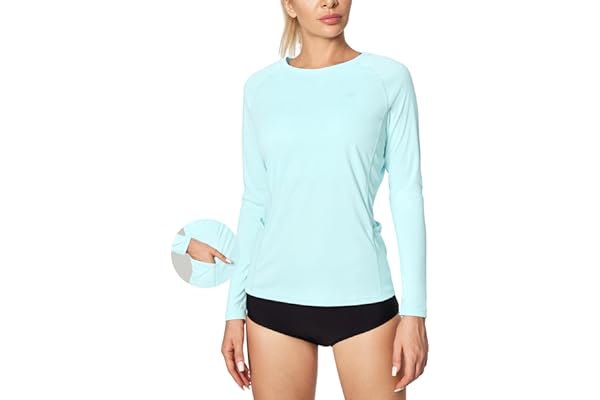 IUGA UPF Sun Protection Swimwear
Not every day at the water is a bikini day, and that’s exactly what this piece is for. Long sleeves, a UPF-rated fabric, and functional pockets make it built for paddleboarding, hiking near water, or just spending six hours outside without ending the day looking like a lobster. It’s less “swimsuit” and more “performance layer,” and it earns its spot for anyone with fair or sun-sensitive skin.
Pairing it with the right gear matters too — if you’re spending the day actually swimming rather than lounging, our best swimming goggles guide rounds out the rest of your kit.
Why We Picked It
- UPF-rated fabric designed specifically to block UV exposure
- Long sleeves protect arms and shoulders, the areas sunscreen misses most
- Functional pockets for keys, a phone, or reef-safe sunscreen
Good for: paddleboarding and kayaking, hiking near water, fair or sun-sensitive skin, and long days outdoors with kids at the beach.
It’s also worth considering as a layering piece rather than a replacement for your regular swimsuit. Plenty of shoppers wear it over a bikini top or one-piece for the first and last hour of full sun exposure — typically the hours with the highest UV index — and switch to their regular suit once they’ve moved into shade or the sun has lowered, getting the protection where it matters most without wearing a full sun layer the entire day.
Pros
- Dedicated sun protection beyond what regular swimwear offers
- Pockets add genuine function, not just style
- Loose, athletic fit suits active water sports
Cons
- Less coverage-revealing than a traditional swimsuit, if that’s the goal
- Warmer to wear on a still, non-windy day
- Looser athletic fit isn’t built for a form-fitting look
Check Price on Amazon
geluboao High-Waisted Two-Piece Swimsuit
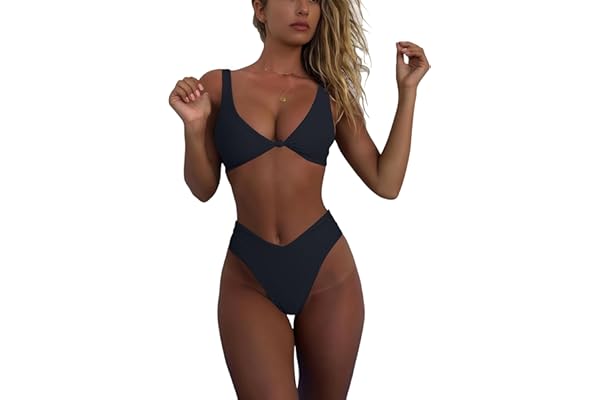 geluboao High-Waisted Two-Piece Swimsuit
For anyone who wants bikini styling without a bikini’s typical tummy exposure, a high-waisted bottom is the compromise that actually works. This one pairs a waist that sits above the belly button with a Brazilian-cut leg, which has a genuinely leg-lengthening effect — the higher leg opening visually extends the line of the thigh, balancing out the extra coverage up top.
If two-piece styles are your default, browse our full best two-piece swimsuits guide for more cuts and coverage levels.
Why We Picked It
- High waist covers the stomach without sacrificing a two-piece look
- Brazilian-cut leg creates a leg-lengthening line
- Mix-and-match sizing between top and bottom
Good for: anyone who wants two-piece versatility with more tummy coverage than a classic bikini offers.
Because the top and bottom are sold and sized independently, this is also a good option if you’ve had trouble with bikini sets in the past where the top fit but the bottom didn’t, or vice versa. Ordering your correct size in each piece separately, rather than assuming a matched “set” size, tends to produce a noticeably better overall fit than treating it as a single sized item.
Pros
- More tummy coverage than a standard bikini bottom
- Leg-lengthening cut balances the higher waistline
- Independent top and bottom sizing
Cons
- Cheekier leg cut than some expect from a “high-waisted” listing
- Two separate pieces to size correctly instead of one
- Less core compression than a dedicated shaping suit
Check Price on Amazon
Common Swimsuit Shopping Mistakes to Avoid
Even with the right style picked out, a few avoidable mistakes are responsible for most of the swimsuit returns and disappointed first-wears we see referenced in customer feedback. A little awareness here saves both money and the annoyance of re-shopping mid-summer.
Ordering Your “Usual” Size Instead of Measuring
This is, by a wide margin, the most common mistake. Swimwear sizing is not standardized the way most everyday clothing sizing loosely is, and a size that fits perfectly in one brand’s dress or activewear line can run a full size off in that same brand’s swimwear line. Every listing worth buying from includes a size chart specific to that product — use it, and measure yourself fresh rather than trusting memory from a previous purchase.
Assuming “Slimming” Means Structural
Not every suit marketed with words like “slimming,” “tummy control,” or “shaping” actually contains a dedicated compression lining. Sometimes the term refers only to the visual effect of a dark color or a ruched print, with no structural support underneath. If shaping is the entire reason you’re buying a particular suit, check the product description specifically for language like “built-in shaping panel,” “compression lining,” or “control fabric,” and look at customer photos rather than relying on marketing copy alone.
Buying for the Body You Want Instead of the Body You Have
It’s a natural impulse to size down slightly, hoping to grow into a suit or use it as motivation. In practice, this almost always backfires with swimwear specifically, since spandex blends are already designed to compress and support at your current size — sizing down on top of that built-in compression tends to produce discomfort, visible seam strain, and a suit that looks tighter rather than more flattering. Buy for your measurements today.
Ignoring the Return and Exchange Window
Swimwear return policies are frequently stricter than policies for other clothing categories, often requiring the hygiene liner to remain attached and unworn. If you’re ordering multiple sizes to compare fit at home, try suits on over your own underwear, keep tags and liners intact, and try them in a clean, dry space before deciding — it preserves your ability to return or exchange if the fit isn’t right.
Overlooking Strap and Closure Adjustability
A suit that looks identical to another in photos can fit completely differently in person depending on whether the straps are adjustable, fixed, or tie-style, and whether the bottom has a tie-side or a fixed seam. Adjustable elements are almost always the safer choice if you’re unsure of fit, since they let you fine-tune after the suit arrives rather than being locked into a single measurement.
Frequently Asked Questions About Women’s Swimsuits
A few more questions come up often enough in customer reviews and shopper forums that they’re worth addressing directly, even outside the specific product picks above.
How do I know what size swimsuit to order online?
Measure your bust, natural waist, and hips, then compare those numbers to the specific brand’s size chart rather than relying on your usual clothing size — swimsuit sizing varies significantly between brands. If you’re between two sizes, size up for anything with a shaping or control panel, since that fabric is meant to feel snug, and size down slightly for a stretchy bandeau style.
Do tummy-control swimsuits actually work?
Yes, within reason. A genuine control panel is a denser layer of fabric sewn behind the main lining that compresses the stomach, which smooths the silhouette and holds everything in place. It won’t change your body shape or size, but it noticeably reduces jiggle and creates a cleaner line under the fabric, especially paired with a higher waist.
What’s the difference between a tankini and a monokini?
A tankini is a two-piece suit with a longer, tank-style top and a separate bottom, which allows for mix-and-match sizing and easier bathroom breaks. A monokini is technically a one-piece, but with cutouts, asymmetric panels, or other design details that give it more visual interest than a plain tank-style one-piece.
How often should I replace my swimsuit?
Most well-cared-for swimsuits last one to two full seasons of regular wear before the elastic and stretch recovery start to break down. Chlorine exposure speeds this up considerably, so a suit worn mostly in chlorinated pools will wear out faster than one worn mainly at the beach. Fading, thinning fabric, or a lining that no longer springs back after stretching are all signs it’s time to shop again.
Is a higher price always a sign of better quality?
Not necessarily. Price often reflects brand recognition and print licensing as much as construction quality. What actually predicts longevity is fabric composition (a higher percentage of spandex generally holds shape better), lining quality, and stitching — details you can usually check in the product description and customer photos regardless of price point.
What swimsuit style is most flattering for a fuller midsection?
Look for shirred or ruched fabric across the stomach, since the gathered texture naturally disguises the area it covers, combined with a built-in control panel and a higher waistline. An empire cut or an A-line silhouette that skims rather than clings also helps, as does a slightly higher neckline that draws the eye upward.
Can I wear a regular swimsuit for swimming laps?
You can, but you’ll notice the difference. Everyday swimsuits, especially ones with shaping linings or skirted bottoms, are built for comfort and coverage rather than hydrodynamics, and they tend to lose their shape faster under the friction and chlorine exposure of frequent lap swimming. If you swim regularly for exercise, a suit built specifically for competitive or fitness swimming will hold up and perform better.
How do I stop my swimsuit from fading?
Rinse it in cool water immediately after every wear, even if you’re not planning to wear it again that day, since chlorine and salt left to dry on the fabric accelerate color breakdown. Hand wash with a mild detergent, skip the washing machine and dryer entirely, and dry it flat out of direct sunlight, which is one of the fastest ways UV exposure fades dyed fabric.
What does UPF 50+ actually mean on a swimsuit label?
UPF stands for Ultraviolet Protection Factor, and it measures how much of the sun’s UV radiation a fabric blocks. A UPF 50+ rating means the fabric blocks about 98% of UV rays, compared to standard swimwear fabric, which offers only partial protection. It’s a meaningful upgrade for anyone with fair or sun-sensitive skin, or for long days spent outdoors on the water.
Are bandeau tops secure enough for active swimming?
A bandeau top with the straps attached can hold up reasonably well for casual swimming, but without straps it’s really built for sunbathing and lounging rather than diving in or swimming laps. If you want the strapless look but plan to be active in the water, choose a bandeau style with removable straps and keep them attached for anything more than wading.
What’s the best swimsuit style for postpartum bodies?
A high-waisted one-piece with a dedicated tummy-control panel tends to work well, since the high waist covers the lower belly while the control lining smooths and supports the midsection. Wide-set straps also help distribute weight comfortably across the shoulders, which matters if you’re also carrying or chasing a baby around the pool.
Should I buy the same swimsuit size I wear in regular clothing?
Not automatically. Swimwear is cut and sized differently than everyday clothing, and sizing is far less standardized across brands. Always check the specific product’s size chart and measure yourself rather than assuming your regular dress or clothing size will translate directly.
What should I look for if I have a fuller bust?
Prioritize wide, adjustable straps, underwire or a molded cup if available, and a wider band under the bust for added support — thin straps and unstructured triangle tops tend to offer the least support and are the most likely to feel insufficient after a few hours of movement. A tankini or a one-piece with a built-in shelf bra also tends to distribute weight more evenly than a bikini top relying on ties alone. If a listing doesn’t specify cup construction or band support, check customer photos and reviews specifically for feedback from shoppers with a similar bust size before ordering.
Final Thoughts
The “best” swimsuit isn’t a single suit — it’s whichever one matches what you actually need it to do, whether that’s shaping, sun protection, tan-line-free sunbathing, or just surviving a pool day with a toddler in tow. Our overall pick, the Holipick Vintage Slimming Monokini, is the safest bet if you want one suit that handles most situations well. But if you know exactly what you’re solving for, jump back up to that category and shop with confidence.
Whichever you choose, measure first, check the size chart for that specific listing, and give yourself a little grace on the first wear — even the best-built suit takes a swim or two to feel like it’s really yours.
Check Our Top Pick on Amazon