Best Swimsuit for Men: The Complete Comfort, Fit & Style Guide
From compression trunks to board shorts, here’s exactly how to choose swimwear that fits right, moves with you, and holds up dive after dive.
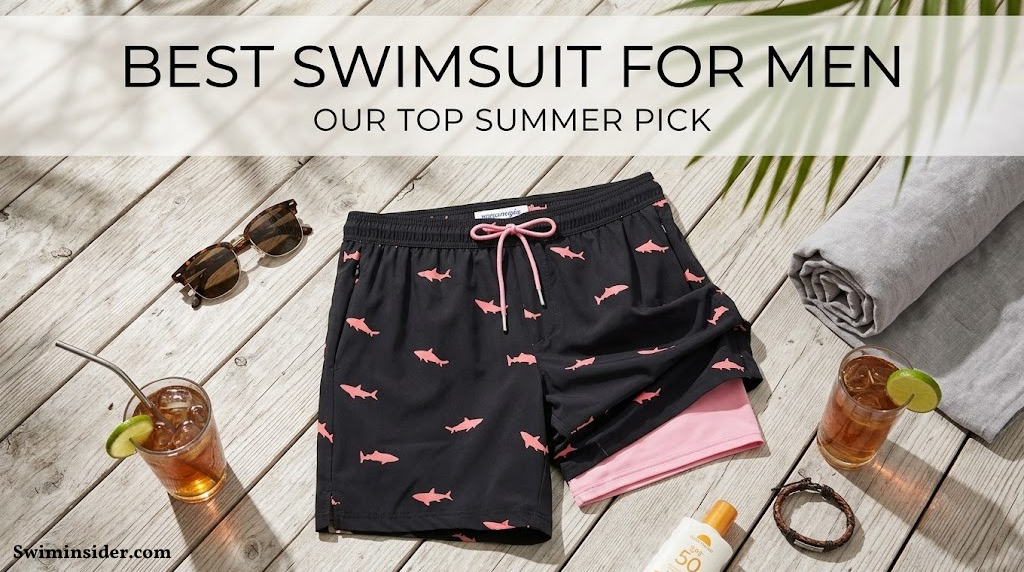

Shopping for the best swimsuit for men sounds simple until you’re standing in front of a wall of trunks, jammers, and board shorts wondering which one will actually survive a summer of pool days, beach trips, and the occasional cannonball contest. The truth is that men’s swimwear isn’t one-size-fits-all — your ideal pair depends on your body type, how you swim, how much support you want, and where you’re wearing it.
This guide breaks down every major style on the market, compares the top-rated options side by side, and walks through the fit, fabric, and comfort details that actually matter. Whether you’re after quick-drying trunks with pockets for a casual pool day or compression-lined shorts for laps and volleyball, you’ll find a clear recommendation below.
1. What Makes a Great Men’s Swimsuit
Before comparing specific products, it helps to know what separates a swimsuit that lasts one season from one that lasts five. Four factors matter most: fabric quality, fit, drainage, and hardware.
Fabric quality comes down to the blend. Most quality trunks use a mix of polyester and spandex, usually somewhere around 80/20 or 85/15. Polyester resists chlorine and saltwater breakdown far better than nylon-heavy blends, while spandex gives the fabric enough stretch to move with your body instead of restricting it. Cheaper suits often skimp on the spandex percentage, which is why they feel stiff after a few washes.
Fit is where most buyers go wrong. Men’s swimwear is generally cut in one of three ways: a relaxed swim trunk that sits at or slightly below the waist with a loose leg opening, a compression-style trunk that hugs the thigh and often includes a built-in liner, or a longer board short designed for surfing and active water sports. Picking the wrong cut for your activity is the number one reason people are unhappy with a swimsuit.
Drainage refers to how quickly water exits the fabric and pockets. Mesh-lined pockets and quick-dry fabric prevent that heavy, waterlogged feeling when you get out of the pool. Suits without mesh drainage in the pockets tend to sag and cling.
Finally, hardware — the drawstring, snap closure, and pocket zippers — needs to be rust-resistant. Look for plastic or coated metal components, since exposed metal zippers and buckles corrode quickly in chlorinated or salt water.
It’s also worth thinking about how a swimsuit will actually be used before buying based on looks alone. Someone who swims three times a week at a gym pool has very different needs than someone who wears trunks twice a year on a beach vacation. The former should prioritize fabric durability and fit security above everything else, since repeated chlorine exposure and constant movement will expose any weak points in construction within a few weeks. The latter has more room to prioritize print, color, and overall style, since the suit won’t be subjected to the same wear and tear.
Price is a reasonable proxy for quality in this category, but it’s not a perfect one. Several of the picks below in the affordable range perform just as well as pricier competitors because the core fabric blend and stitching quality are similar — the price difference often comes down to branding rather than meaningfully different materials. That said, once you drop below a certain price floor, corners typically get cut on drawstring quality, seam reinforcement, and mesh lining, so it pays to read fit and durability details closely rather than sorting by price alone.
There’s also a category of buyer this guide is written for that doesn’t always get addressed directly in swimwear content: the person replacing a suit that failed them last season. If your last pair of trunks stretched out at the waist by midsummer, developed a chlorine smell that never fully washed out, or had a drawstring that snapped on day three, the fix usually isn’t a different color or print — it’s a different construction. Waistband elastic quality, stitching density at stress points like the crotch seam and pocket corners, and the actual fiber content of the fabric are the things worth reading reviews for specifically, rather than just scrolling past the star rating.
One more variable worth flagging before diving into specific picks: chlorine concentration varies a lot between a residential pool, a heavily trafficked hotel pool, and a competitive training facility. Suits that hold up fine in a backyard pool used a few times a month can degrade noticeably faster in a commercial pool with higher chlorine levels and daily exposure. If you’re swimming in a gym or club pool multiple times a week, it’s worth treating your swimwear budget more like you would running shoes — as a recurring cost tied to usage — rather than a one-time purchase meant to last indefinitely.
2. Types of Men’s Swimwear Explained
“Swim trunks” is often used as a catch-all term, but there are actually several distinct silhouettes, each suited to different activities and body types.
Classic Swim Trunks
These sit at or just below the natural waist, use an elastic waistband with a drawstring, and typically fall to mid-thigh. They’re the most versatile option for pool parties, beach days, and casual swimming, and they’re what most of the picks in this guide fall under.
Compression Trunks / Jammers
Form-fitting from waist to mid-thigh or knee, these are built for serious swimming, water polo, and triathlon training. They reduce drag and won’t billow or shift during strokes and turns.
Board Shorts
Longer, looser, and often made from a slightly heavier woven fabric, board shorts are designed for surfing, paddleboarding, and rougher water activity where extra coverage and durability matter more than a snug fit.
Briefs and Square-Cuts
A minimalist option popular in competitive swimming and some European beach cultures. Not covered heavily in this roundup since most shoppers searching for “best swimsuit for men” want trunk-style coverage.
Swim Shirts and Rash Guards
Not a bottom at all, but worth understanding as part of a complete swim outfit. These fitted or slightly loose long- or short-sleeve tops are made from the same quick-dry synthetic fabrics as trunks and are increasingly paired with trunks for sun protection, especially by families and surfers. Covered in more detail further down this guide.
Hybrid and Two-in-One Styles
A growing category that blends two of the above. The most common hybrid is an outer trunk with an inner compression liner sewn in, giving the relaxed look of a classic trunk with the security of a compression fit underneath. Another hybrid worth knowing about is the “surf trunk,” which borrows the length of a board short but tightens through the thigh like a compression style — a good middle ground for people who split time between the pool and rougher water.
Understanding which category you actually need before shopping saves a lot of return hassle. A common mistake is buying a board short for lap swimming because it looked appealing in photos, only to find the extra fabric drags and slows you down in the water. Matching the silhouette to the activity first, then narrowing by print or color second, consistently leads to a better outcome than shopping by appearance alone.
If you’re shopping for a partner or family member, our best swimsuit for women guide and plus-size swimsuit picks cover the equivalent categories on the women’s side.
3. Swim Trunk Length Guide: 5-Inch vs 7-Inch vs 9-Inch Inseam
Inseam length is one of the most overlooked specs when shopping for men’s swimwear online, and it’s often the single biggest factor in whether a suit “feels right” once you actually put it on. Most brands list inseam length somewhere in the product description or size chart, measured from the crotch seam to the bottom hem, and it typically falls into one of three ranges.
5-Inch Inseam: The Retro-Athletic Cut
This shorter length sits above the knee by a good margin and has made a comeback over the past several years, largely driven by athletic and retro-inspired brands. It works well on shorter or leaner frames, where a longer trunk can visually shorten the leg and make the wearer look stockier than they are. The tradeoff is less coverage and, for some body types, a look that feels closer to underwear than swimwear.
7-Inch Inseam: The Standard, Do-Anything Length
By far the most common length sold today, a 7-inch inseam lands at or just above mid-thigh. It’s a safe, flattering length for the widest range of body types and works equally well for a pool party, a beach day, or a casual swim. The vast majority of picks in this guide, including the maamgic Swim Trunks with Pockets and the ELETOP and PAUFOGA trunks, fall into this range.
9-Inch Inseam and Longer: Board Short Territory
Anything at 9 inches or beyond starts to move into board short territory, extending closer to or past the knee. This length offers the most coverage and is generally the choice for surfing, paddleboarding, or anyone who simply prefers more fabric. It’s also a common recommendation for larger or taller frames, since a longer inseam keeps proportions balanced rather than looking cropped. The SILKWORLD Board Shorts fall into this category.
There’s no universally “correct” length — it comes down to proportion, activity, and personal preference. As a rough rule of thumb, taller guys and those with more muscular thighs tend to look and feel most comfortable in the 7-inch to 9-inch range, since shorter lengths can ride up or look disproportionate. Shorter guys often find that anything past the knee visually shortens their legs further, making the 5-inch to 7-inch range more flattering. If you’re ordering online and unsure, checking a brand’s specific inseam measurement in the size chart is far more reliable than trusting a photo, since the same “mid-length” label can mean different things across brands.
4. Best for Everyday Comfort: maamgic Swim Trunks with Pockets
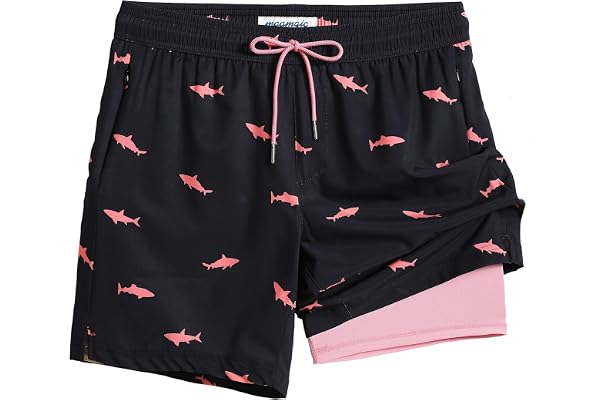
maamgic Men’s Swim Trunks with Pockets
This is the pair that shows up in nearly every “best swimwear” roundup, and for good reason. The quick-dry polyester blend, mesh-lined pockets, and adjustable drawstring waistband make it the safest all-around pick for anyone who isn’t sure exactly which style they want yet.
What stands out most about this trunk is how well it balances a relaxed silhouette with enough structure to stay put during normal pool activity. The mid-thigh length works for most body types, and the side pockets are deep enough to hold a phone or room key without the fabric sagging once wet, thanks to mesh drainage panels sewn into the pocket lining.
Pros
- Quick-dry, chlorine-resistant fabric
- Mesh-lined pockets prevent sagging
- Wide size range with consistent fit
- Budget-friendly for the quality
Cons
- No built-in liner for support
- Runs slightly long on shorter frames
See current pricing and available colors for the maamgic Swim Trunks with Pockets.
Check Price on Amazon5. Best Compression Swimwear for Performance: maamgic Compression Trunks
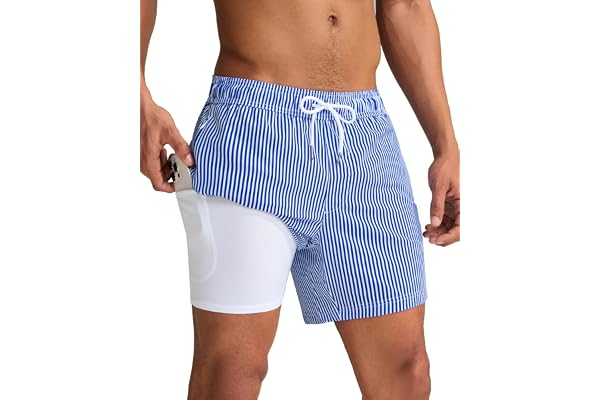
maamgic Compression Stretch Swim Trunks (No-Chafing)
Built for anyone doing actual laps rather than lounging by the pool. The compression fit stays close to the body through every stroke, and the flatlock seams are specifically designed to prevent the inner-thigh chafing that loose board shorts often cause during longer swims.
Compared to a standard trunk, this style trades pocket storage and a relaxed cut for performance. The four-way stretch fabric moves with your hips and thighs rather than bunching up, which matters if you’re doing flip turns or swimming continuous laps. It’s also a strong choice for water polo, triathlon training, or anyone who’s dealt with chafing in traditional swimwear before.
Pros
- Flatlock seams reduce chafing
- Four-way stretch for full range of motion
- Stays secure during active swimming
Cons
- No pockets
- Snugger fit won’t appeal to everyone
Check sizing and color options for the maamgic Compression Trunks.
Check Price on AmazonIf you’re training seriously, it’s also worth comparing options built specifically for racing in our best competitive swimsuits guide.
6. Best Budget-Friendly Trunks: ELETOP Swim Trunks
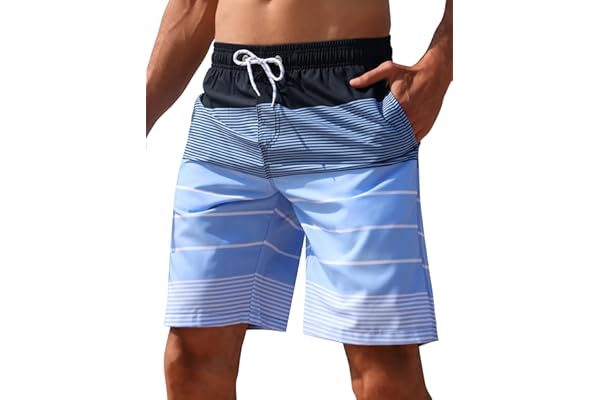
ELETOP Men’s Swimming Trunks
A no-frills option that covers the basics well: elastic waistband, mesh brief lining, and a relaxed fit at a lower price point than most competitors. It won’t win points for premium fabric feel, but for casual vacation use it holds up fine.
This is the pick for anyone who needs swimwear for a single trip or doesn’t swim often enough to justify a higher price tag. The mesh brief lining adds a layer of support and modesty that some cheaper trunks skip entirely, and the color and print selection tends to be broader than pricier brands.
Pros
- Low price point
- Built-in mesh brief lining
- Large print and color selection
Cons
- Fabric feels thinner than premium brands
- Drawstring quality is average
See current price and available prints for ELETOP Swim Trunks.
Check Price on Amazon7. Best Graphic & Printed Trunks: PAUFOGA Swim Trunks
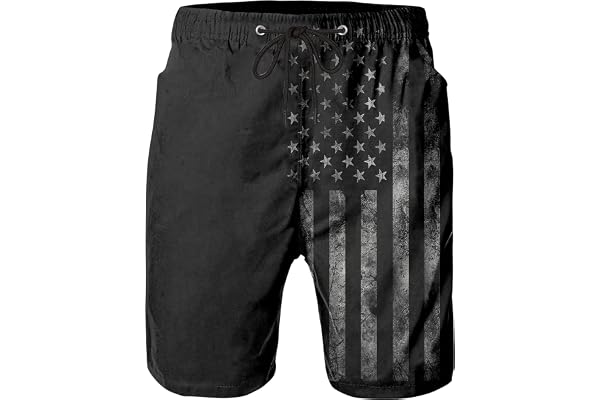
PAUFOGA Graphic Swim Trunks
If you want your swimwear to stand out rather than blend in, this is the pick. Bold all-over prints, a slightly longer inseam, and side pockets make it a solid option for beach vacations and pool parties where personality matters as much as fit.
Beyond the print variety, the construction holds up well — the waistband uses a wide elastic band with an internal drawstring, and the fabric has enough weight to it that it doesn’t turn see-through when wet, which is a common complaint with lighter printed trunks.
Pros
- Bold, distinctive print options
- Doesn’t turn sheer when wet
- Wide comfortable waistband
Cons
- Longer length may not suit everyone
- Bright prints fade faster with heavy chlorine use
Browse available prints and sizes for PAUFOGA Graphic Swim Trunks.
Check Price on Amazon8. Best Board Shorts for Big & Tall: SILKWORLD Board Shorts

SILKWORLD Swimming Board Shorts
One of the few options on this list that extends comfortably into bigger sizing without simply scaling up a slim cut. The wider leg opening and reinforced waistband make it a genuinely comfortable fit for larger frames, not just a bigger version of a small suit.
Board shorts in general run longer and looser than swim trunks, and this pair leans into that with a relaxed thigh and a fuller cut through the seat. It’s a good option for anyone who has struggled with trunks that ride up or feel restrictive around the legs.
Pros
- True-to-size fit for bigger frames
- Reinforced waistband and stitching
- Full range of larger sizes available
Cons
- Longer length isn’t ideal for lap swimming
- Heavier fabric takes longer to dry
Check the extended size chart for SILKWORLD Board Shorts.
Check Price on AmazonFor more sizing-focused picks, our plus-size swimsuits guide covers a broader range across styles.
9. Best Hawaiian Print Trunks: Lzzidou Swim Trunks
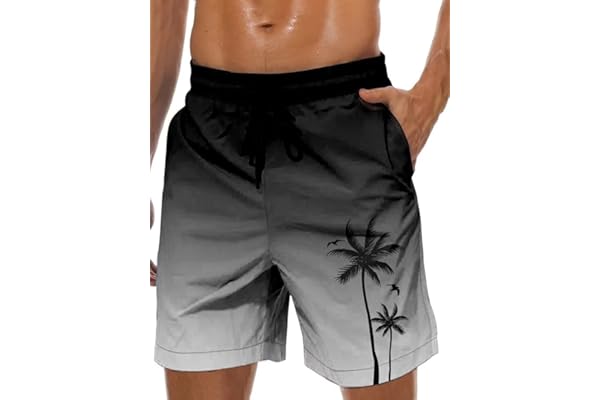
Lzzidou Hawaiian Print Swim Trunks
A vacation-ready option with tropical prints, a mesh lining, and side pockets. It leans into resort-wear styling more than performance, making it a strong choice for cruises, tiki bars, and beach resorts rather than serious swimming.
The fit runs true to size with a comfortable elastic waistband, and the fabric has a soft hand-feel that doesn’t stiffen up after repeated washes the way some cheaper printed trunks do. It pairs well as a matching set with a button-up shirt for resort dress codes.
Pros
- Vibrant, vacation-friendly prints
- Soft fabric that holds up over washes
- Comfortable true-to-size fit
Cons
- Not designed for high-intensity swimming
- Limited print restocks on popular colors
See available Hawaiian prints for Lzzidou Swim Trunks.
Check Price on Amazon10. Best Swim Shorts with Compression Liner: maamgic Compression Swimsuit
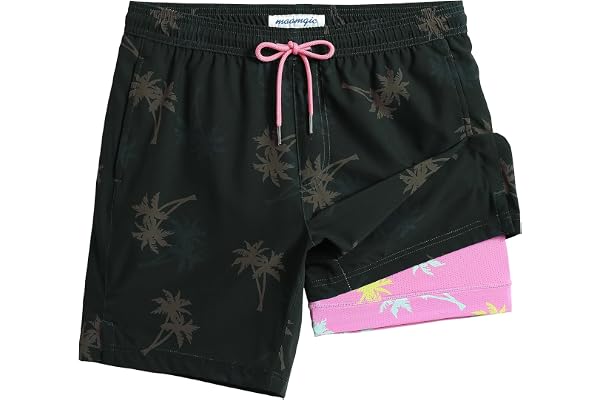
maamgic Compression Bathing Swimsuit
This one combines the outer look of a standard swim trunk with an inner compression liner, giving you the relaxed appearance of board shorts with the support of a compression fit underneath. It’s a good middle-ground option for guys who want both.
The two-in-one construction means you get support without looking like you’re wearing a wetsuit at the pool party. It’s particularly useful for beach volleyball, paddleboarding, or any activity where you want freedom of movement plus a secure inner layer.
Pros
- Built-in compression liner
- Relaxed outer look, secure inner fit
- Good for mixed activity days
Cons
- Slightly warmer than single-layer trunks
- Liner sizing runs snug
Check sizing details for the maamgic Compression Swimsuit.
Check Price on Amazon11. Best Surf-Style Boardshorts: SURF CUZ Compression Boardshorts
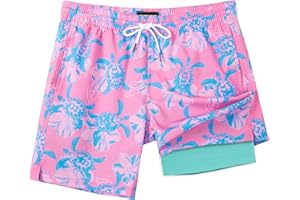
SURF CUZ Compression Swimming Boardshorts
A hybrid design that borrows the length and coverage of a board short but tightens the fit through the thigh for better performance in the surf. Reinforced stitching along the seat and legs holds up to paddling and repeated wipeouts.
Compared to the SILKWORLD board short above, this option trades some looseness for a more athletic, secure fit — better suited to surfing, bodyboarding, and other higher-impact water sports where a baggier short can drag or catch water.
Pros
- Reinforced seams for durability
- Secure fit for active water sports
- Quick-dry, water-repellent fabric
Cons
- Tighter thigh fit may feel restrictive at first
- Fewer color options than competitors
See pricing and sizing for SURF CUZ Compression Boardshorts.
Check Price on Amazon12. Best Vintage-Style Trunks: MaaMgic Vintage Swim Trunks
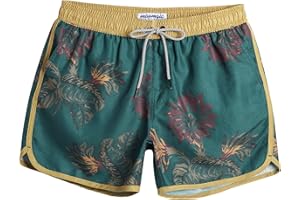
MaaMgic Vintage Swim Trunks
A shorter, retro-inspired cut that’s become popular again in recent years. The higher leg opening and slimmer silhouette give it a distinct look compared to the baggier trunks dominating most of this list, and it pairs well with an athletic build.
This style won’t be for everyone — the shorter inseam is a departure from the mid-thigh trunks most of this guide covers — but for those who want the look, the fabric and construction quality are consistent with maamgic’s other entries.
Pros
- Distinct retro silhouette
- Lightweight, quick-dry fabric
- Consistent brand quality
Cons
- Shorter length not for everyone
- Less coverage than standard trunks
See colorways available for MaaMgic Vintage Swim Trunks.
Check Price on Amazon13. Rash Guards & Swim Shirts: Do You Need One?
Rash guards and swim shirts are the most searched men’s swimwear category this guide didn’t originally cover in depth, and they’ve grown from a niche surf-specific item into something a huge number of everyday swimmers now wear. A rash guard is a snug, stretchy top made from the same quick-dry synthetic blends as compression trunks, originally designed to prevent skin irritation from surfboard wax and repeated paddling. A swim shirt is a slightly looser cousin of the same idea, cut more like a regular T-shirt but made from swim-ready fabric.
Why Guys Are Wearing Them Beyond Surfing
Three reasons come up again and again: sun protection, chafing prevention, and confidence. A rash guard blocks the sun far more effectively than sunscreen alone on the torso and shoulders — areas that are easy to under-apply or miss entirely with lotion, and that burn quickly during long pool or beach days. For guys who spend hours in the water rather than a quick dip, that matters more than it might seem at first glance. Chafing prevention comes up especially for open-water swimmers, paddleboarders, and anyone doing repetitive upper-body movement, since a snug rash guard eliminates the friction between skin and a life vest strap, surfboard, or paddle. And for plenty of guys, a fitted swim shirt is simply more comfortable to wear around a crowded pool or beach than going shirtless, without the styling complexity of an actual outfit.
Fit and Fabric Considerations
Rash guards typically run in the same size range as regular athletic shirts, but because the fabric has significant stretch, sizing down slightly from your usual T-shirt size is common if you want a closer, more supportive fit. Loose-fit swim shirts, by contrast, size closer to a normal tee. Look for flatlock stitching in the underarm and side-seam areas specifically, since these are the highest-friction zones during swimming and paddling motions, and a raised seam here can cause more irritation than the sun exposure it’s meant to prevent.
Pairing With Trunks
A rash guard or swim shirt pairs naturally with any of the compression or performance trunks covered earlier in this guide, since both pieces are built from similar quick-dry synthetic fabric and dry at roughly the same rate. Pairing a rash guard with a heavier board short is also common for surfers, since the shirt handles upper-body chafing while the board short handles lower-body coverage and durability. It’s generally not necessary to match brands between top and bottom — fit and fabric type matter far more than having a coordinated set, unless matching prints is specifically the look you’re going for.
14. UPF Sun Protection Guide for Men’s Swimwear
UPF, or Ultraviolet Protection Factor, is the swimwear equivalent of SPF, and it’s a spec that’s become far more common on product listings over the past few years without always being clearly explained. A UPF 50+ rating means the fabric blocks roughly 98% of UV radiation from reaching the skin underneath it — a meaningful upgrade over regular swim fabric, which typically offers only modest incidental protection despite covering the same skin.
How UPF Differs From Regular Swim Fabric
Not all polyester-spandex swim fabric is created equal when it comes to sun protection. Tighter weaves, darker colors, and thicker fabric all block more UV radiation than a loosely woven, light-colored, thin fabric — even without a specific UPF treatment applied. Brands that advertise a UPF rating have typically tested the fabric specifically and can back the number with a lab result, whereas an untested trunk or rash guard might offer meaningfully less protection even if it looks similarly substantial.
Who Should Prioritize UPF Ratings
Anyone spending extended time outdoors in direct sun — boating, paddleboarding, fishing, long beach days, or open-water swimming — benefits most from prioritizing a UPF-rated rash guard or swim shirt over a standard one. Guys with fair skin, a history of sunburn, or a family history of skin cancer have the most to gain from making UPF a primary shopping filter rather than an afterthought. For shorter, more casual pool sessions where sunscreen is being reapplied regularly anyway, UPF fabric is a nice-to-have rather than a strict necessity.
Sunscreen Still Matters
Even a UPF 50+ rash guard only protects the skin it covers — face, neck, hands, and lower legs still need sunscreen regardless of what’s covering the torso. Treating UPF swimwear as a replacement for sunscreen rather than a complement to it is one of the more common mistakes people make once they start prioritizing sun-protective fabric, and it can lead to a false sense of full coverage on days spent almost entirely outdoors.
15. Swim Briefs & Jammers for Competitive and Serious Swimmers
For guys training seriously or swimming competitively, the swimwear conversation looks different from casual pool or beach shopping. Competitive swimming has its own set of standard silhouettes, each optimized for drag reduction rather than everyday comfort or style.
Jammers
Jammers extend from the waist to just above the knee and are the most common competitive silhouette for men in the United States, largely because most swim leagues and high school programs require this level of coverage rather than a brief. They’re built from a tighter, more compressive fabric than the compression trunks covered earlier in this guide — often a specialized chlorine-resistant blend rated for hundreds of hours of pool exposure rather than the general-purpose blends used in recreational swimwear.
Briefs
The classic minimalist competitive cut, briefs offer the least drag of any style and are standard at the international and Olympic level. They’re a smaller niche within this guide’s audience, since most casual and even many serious recreational swimmers in the U.S. gravitate toward jammers or compression trunks instead, but they remain the top choice for swimmers optimizing purely for speed.
What to Look for in Competitive-Grade Swimwear
Chlorine resistance rated in hours of pool exposure is the most useful spec to compare, since recreational compression trunks and true competitive jammers can look nearly identical but differ enormously in how long they hold their compression and color before breaking down. A true competitive suit will typically last significantly longer under daily training conditions than a recreational compression trunk worn for the same purpose, even though the recreational option is usually far cheaper upfront. For swimmers training multiple times a week, that durability difference often justifies the higher price point over time.
Sizing for competitive jammers and briefs also tends to run tighter than recreational swimwear, by design — a snug, almost compressive fit is intentional rather than a sizing error, so following the brand’s specific size chart rather than your regular trunk size is essential to avoid returns.
16. Choosing Men’s Swimwear by Body Type
Fit isn’t only about waist measurement — leg opening, rise, and overall proportion all affect how a swimsuit looks and feels on different builds. This section expands on body-type fit considerations in more detail than a quick sizing note can cover.
Athletic and Muscular Builds
Guys with more muscular thighs often find that a slightly longer inseam, in the 7-inch to 9-inch range, prevents the fabric from riding up or feeling restrictively tight through the leg during movement. A relaxed or compression-hybrid style, rather than a snug vintage cut, generally accommodates a more muscular thigh without looking or feeling compressed in the wrong places.
Leaner and Slimmer Builds
A shorter, more fitted cut — including the vintage-style trunks covered earlier — tends to look proportionate on leaner frames without the excess fabric that can make a slim build look swallowed by an oversized board short. Slimmer guys generally have the most flexibility across the entire length spectrum, since there’s less risk of a longer trunk looking bulky or a shorter trunk looking too revealing.
Larger and Broader Builds
A longer inseam and a fuller cut through the seat and thigh, like the SILKWORLD Board Shorts covered earlier, generally provide the most comfortable and flattering fit for a larger frame, rather than simply sizing up a slim-cut trunk. A wider, reinforced waistband also matters more here, since a standard elastic band can dig in or roll under a larger midsection over the course of a long pool day.
Taller Builds
Taller guys generally do better with a slightly longer rise and inseam to avoid a cropped, too-short look that can happen when a standard trunk length is stretched over a longer torso and leg. Board shorts or the longer end of the standard trunk range tend to read as more proportionate on a taller frame than a short vintage cut.
Shorter Builds
Shorter guys often find that trunks falling right at or just above the knee create a more balanced silhouette than a longer board short, which can visually shorten the leg further by cutting off proportion at an awkward point. The 5-inch to 7-inch inseam range, discussed earlier in this guide’s length section, tends to work best here.
None of this is a hard rule — personal preference and comfort matter more than any general guideline — but it’s a useful starting point when narrowing down options rather than choosing blind based on a product photo alone.
17. Swimwear by Occasion
The “best” swimsuit changes depending on what it needs to do, and shopping with a specific occasion in mind usually leads to a better outcome than shopping generically.
Honeymoon and Destination Wedding
For resort settings, prints and color tend to matter more than performance features. The Lzzidou Hawaiian Print Trunks covered earlier are a strong fit here, and pairing them with a lightweight linen shirt for dinner is a common resort-wear combination. Packing two suits rather than one is worth considering for this kind of trip, since a single suit worn daily in salt water and sun rarely stays looking fresh for a full week.
Bachelor Party or Group Pool Trip
Bold, graphic prints like the PAUFOGA trunks tend to fit the tone of a group trip better than a plain, understated color, and matching or coordinating prints across a group is an increasingly common request in swimwear shopping.
Family Vacation
Durability and pocket storage tend to matter most here, since a family trip often means more time in the water across more days than a typical weekend trip. The maamgic Swim Trunks with Pockets, with their mesh-lined storage and consistent fit, are built for exactly this kind of repeated daily use.
Gym or Fitness Center Lap Swimming
A compression trunk or jammer is the clear choice here over a relaxed trunk or board short, both for drag reduction and because many fitness center pools have posted rules requiring a snug-fitting suit rather than loose swimwear.
Surf Trip
A board short or surf-style compression short, paired with a rash guard for chafing and sun protection, is the standard combination for a surf-focused trip, prioritizing durability and coverage over a relaxed everyday fit.
Water Park Day
Security matters most here — a suit with a snug waistband and secure drawstring that won’t come loose on a water slide or wave pool. A compression liner underneath a relaxed outer trunk, like the maamgic Compression Swimsuit covered earlier, is a popular choice for exactly this reason.
18. Buying Swimwear Online: Sizing, Returns, and Fit Confidence
Ordering swimwear without trying it on first is inherently riskier than most other clothing categories, since fit issues in swim trunks tend to be more noticeable and less forgiving than a slightly off-fitting T-shirt. A few habits make online swimwear shopping meaningfully more reliable.
Always Check the Brand’s Specific Size Chart
Generic S/M/L labels vary enormously between brands, and even within a single brand’s own lineup, a relaxed trunk and a compression style can use different sizing logic entirely. Measuring your actual waist at the point where a drawstring would sit, rather than relying on your regular pants size, is the most reliable comparison point against a brand’s chart.
Read Recent Reviews for Fit Notes, Not Just Star Ratings
A high average star rating can still hide a consistent fit complaint, like a waistband that runs small or a length that measures shorter than advertised. Filtering reviews for recent purchases and scanning specifically for repeated fit comments is more useful than the overall score alone.
Understand the Return Policy Before Buying
Swimwear return policies are often stricter than other apparel categories for hygiene reasons, and some retailers require the liner tag to remain attached or the item to be unworn beyond trying it on over underwear. Checking this before ordering — rather than after receiving a suit that doesn’t fit — avoids an unpleasant surprise if a return becomes necessary.
Order Early Enough to Allow for an Exchange
Popular sizes and prints in trending styles can sell out mid-season, so ordering with enough buffer time before a trip to allow for a possible exchange is safer than ordering the week before departure, especially for less common sizes at either end of a brand’s range.
19. Packing and Traveling With Swimwear
How a swimsuit travels matters almost as much as how it fits once you’re actually at the pool or beach, and a few packing habits meaningfully extend the life of a suit over a multi-day trip.
Rolling vs Folding
Rolling swim trunks rather than folding them flat reduces the sharp permanent creases that can develop in synthetic fabric over a long flight or car ride, and it also tends to save more suitcase space. A rolled trunk unrolls to a mostly wrinkle-free state, while a folded one often needs to be worn once before the fold lines relax out.
Packing a Wet Swimsuit
A dedicated wet/dry bag, or at minimum a plastic bag separate from the rest of your luggage, prevents a still-damp suit from developing a musty smell and keeps chlorine or salt residue off other clothing. Suits packed away wet for an extended period — a full day or more in a sealed bag — are also more prone to color fading and elastic breakdown than ones given a chance to air dry first, even briefly.
How Many Suits to Pack
For trips longer than three or four days with daily swimming, packing two suits and alternating them allows each pair a full day to dry out completely between wears, which significantly extends the life of the fabric and elastic compared to wearing the same damp suit repeatedly. This matters even more in humid climates, where a suit packed away without fully drying can start to smell within a day or two.
Airport and Carry-On Considerations
Swim trunks pack small and light, making them an easy item to keep in a carry-on rather than checked luggage if there’s any chance checked bags are delayed — a genuinely disappointing situation on a beach trip where the whole point of the first day is getting in the water.
20. Father-Son Matching Swimwear
Matching or coordinating family swimwear has become a popular request, particularly for beach vacations and family photos, and most of the brands covered in this guide, including maamgic and PAUFOGA, offer the same or closely related prints across adult and kids’ sizing.
Matching vs Coordinating
An exact matching print across father and son is the most literal approach and photographs well, but a coordinating approach — same color family or complementary print rather than an identical pattern — tends to look more natural in everyday wear rather than only in posed photos, and gives each family member some individual style.
Sizing Kids’ Swimwear
Kids’ swim trunk sizing typically follows age-based ranges rather than the waist-measurement approach used for adult sizing, and growth between seasons means a suit that fit perfectly last summer may run noticeably short the following year. Checking a current size chart each season, rather than assuming last year’s size still applies, avoids a mid-vacation surprise.
Fabric Considerations for Kids
The same chlorine-resistant, quick-dry fabric priorities that apply to adult swimwear apply to kids’ suits, though kids’ swimwear often benefits even more from a snug, secure waistband given how much more active kids typically are in the water compared to adults.
21. Sustainability in Men’s Swimwear
Sustainable and recycled-material swimwear has grown from a niche category into a mainstream option over the past several years, and it’s worth understanding what the claims on a product listing actually mean.
Recycled Polyester (rPET)
The most common sustainable claim in swimwear is recycled polyester, often derived from post-consumer plastic bottles and abbreviated as rPET on product listings. Functionally, rPET performs very similarly to virgin polyester in terms of chlorine resistance and durability, so choosing a recycled-content suit generally doesn’t require a performance tradeoff.
What “Eco-Friendly” Claims Actually Cover
Eco-friendly marketing on swimwear can refer to several different things — the fiber source, the dye process, the packaging, or the manufacturing facility’s certifications — and these claims aren’t standardized across brands the way food labeling is. A specific, verifiable claim like “made from X% recycled ocean plastic” is generally more meaningful than a vague “eco-friendly” label without further detail.
Durability as a Sustainability Factor
The most sustainable swimsuit, in practical terms, is often simply the one that lasts the longest before needing replacement. A well-constructed trunk with a durable polyester-spandex blend and reinforced stitching that lasts three or four seasons has a smaller overall footprint than a cheaper suit replaced every year, regardless of the specific fiber source of either one.
22. Fabric & Fit Guide: How to Choose the Right Size and Material
Even the best-reviewed swim trunk will disappoint if you order the wrong size or pick a fabric that doesn’t suit how you’ll use it. Two additional options worth knowing about here are the APTRO Trunks with Compression Liner, the Sixfish Trunks with Compression Liner, and the COOFANDY Swimming Trunks, all of which illustrate different fit philosophies.
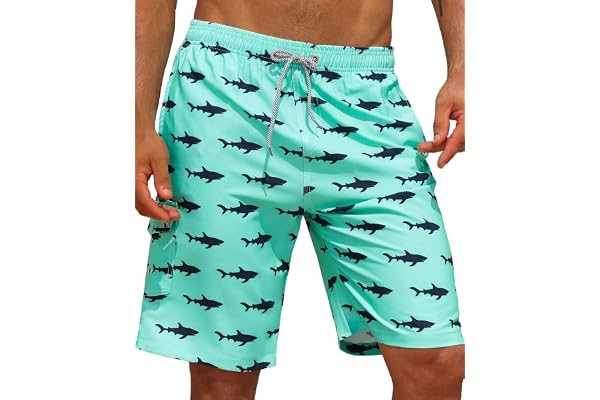
APTRO Trunks with Compression Liner
A mid-length trunk with a built-in liner and a fit that splits the difference between relaxed and athletic. Good for guys who want support without going full compression.
Check current pricing for APTRO Trunks with Compression Liner.
Check Price on Amazon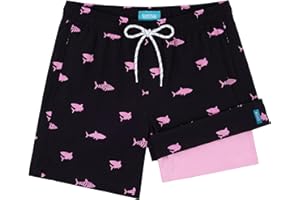
Sixfish Men’s Trunks with Compression Liner
A budget-friendly compression option with a supportive liner, best suited for casual training or everyday pool use rather than competitive swimming.
See sizing and pricing for Sixfish Compression Trunks.
Check Price on Amazon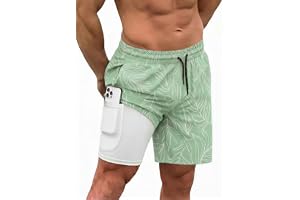
COOFANDY Swimming Trunks
A classic relaxed-fit trunk with a straightforward elastic waistband, useful as a baseline example when comparing fit across brands.
Check current price for COOFANDY Swimming Trunks.
Check Price on AmazonHow to Measure for the Right Fit
Measure around the fullest part of your waist where you’d normally wear the drawstring, not where your pants sit. Most brands run true to size, but compression styles tend to fit snugger, so sizing up one size is common advice if you’re between measurements. Always check the specific brand’s size chart rather than relying on generic S/M/L labels, since cut varies significantly between brands like maamgic, SILKWORLD, and COOFANDY.
Fabric Cheat Sheet
- Polyester-spandex blend (80/20 or higher): Best chlorine resistance, holds shape longest.
- Nylon-spandex blend: Softer feel but breaks down faster in chlorinated pools.
- Woven boardshort fabric: Heavier, more durable, slower to dry — best for surf and rough water use.
Care and Maintenance Tips
How you care for a swimsuit between wears has a bigger impact on its lifespan than most people realize. Chlorine and salt water are both hard on spandex fibers, and leaving a wet suit balled up in a bag for hours accelerates the breakdown significantly. Rinsing trunks in cool fresh water immediately after swimming removes most of the chlorine or salt residue before it has a chance to set into the fabric.
Avoid the washing machine and dryer when possible. Hand washing with a mild detergent and laying the suit flat to air dry preserves the elastic in the waistband far longer than machine washing, which can stretch or snag the fabric, especially around mesh linings and pocket seams. Direct sun exposure while drying should also be limited, since UV rays degrade both the color and the fiber strength of most swimwear fabrics over time.
Finally, avoid sitting on rough surfaces like concrete pool decks or splintered wood docks in your swimsuit for extended periods, since this is one of the most common causes of premature thinning and pilling in the seat area, regardless of how well-made the trunks are.
Preventing Odor and Mildew
A lingering musty smell in swim trunks almost always comes down to mildew growth in the fabric, and it develops fastest when a wet suit sits balled up in a bag or hamper rather than being hung or laid flat to dry. Once a mild odor sets in, a soak in cold water with a small amount of white vinegar before a gentle hand wash often resolves it, since vinegar breaks down the mineral and bacterial buildup that regular detergent alone can miss. Prevention is far easier than the fix, though — a suit given even fifteen or twenty minutes of air exposure before being packed away rarely develops odor in the first place.
Matching Your Suit to Your Body Type
Fit isn’t only about waist size — leg opening and rise matter just as much for comfort and appearance. Guys with more muscular thighs often find that a slightly longer inseam prevents the fabric from riding up or feeling tight through the leg, while a shorter, vintage-style cut can look disproportionate on a larger frame. Taller guys generally do better with a slightly longer rise to avoid a cropped look, while shorter guys often find that trunks falling right at or just above the knee create a more balanced silhouette than a longer board short. None of this is a hard rule, but it’s worth trying on a size in person or checking a brand’s detailed measurements before committing to a print or color you can’t easily return.
Full Comparison Table
| Product | Best For | Fit Style | Pockets | Liner |
|---|---|---|---|---|
| maamgic Swim Trunks | Everyday comfort | Relaxed | Yes | No |
| maamgic Compression Trunks | Performance swimming | Compression | No | Built-in |
| ELETOP Swim Trunks | Budget shoppers | Relaxed | No | Mesh brief |
| PAUFOGA Graphic Trunks | Bold style | Relaxed | Yes | Mesh brief |
| SILKWORLD Board Shorts | Big & tall fit | Loose | Yes | No |
| Lzzidou Hawaiian Trunks | Resort/vacation | Relaxed | Yes | Mesh brief |
| maamgic Compression Swimsuit | Mixed activity | Hybrid | No | Built-in |
| SURF CUZ Boardshorts | Surfing/water sports | Athletic loose | No | Built-in |
| MaaMgic Vintage Trunks | Retro style | Short/slim | No | Mesh brief |
| APTRO Compression Liner Trunks | Moderate support | Mid-fit | Yes | Built-in |
| Sixfish Compression Trunks | Budget training | Compression | No | Built-in |
| COOFANDY Swimming Trunks | Classic baseline fit | Relaxed | Yes | Mesh brief |
If you’re shopping for other family members alongside your own swimwear, our related guides cover tankini swimsuits, one-piece swimsuits, and two-piece swimsuits for women, plus cover-ups for after-swim comfort.
Frequently Asked Questions
What is the best type of swimsuit for men who swim laps regularly?
Compression trunks or jammers are the best choice for regular lap swimming. Their close fit reduces drag and stays secure through flip turns, unlike looser trunks that can shift or billow.
How should men’s swim trunks fit?
Swim trunks should sit comfortably at the waist without needing the drawstring pulled tight, and the leg opening should sit around mid-thigh without riding up when you move. If you’re between sizes, most relaxed-fit trunks size down comfortably while compression styles often need sizing up.
Are mesh liners necessary in swim trunks?
Mesh liners add support and a layer of modesty, especially in lighter-colored or thinner fabrics that can turn sheer when wet. They’re not strictly necessary, but most buyers prefer having one.
What fabric lasts longest in chlorinated pools?
Polyester-spandex blends with a high polyester percentage (80% or higher) hold up best against chlorine breakdown. Nylon-based fabrics tend to lose elasticity and fade faster with regular pool use.
Do board shorts work for swimming laps?
Board shorts can be used for casual swimming, but their length and looser cut create more drag than trunks or compression styles, making them less ideal for lap swimming or competitive use.
How do I stop my swim trunks from riding up?
Choosing a trunk with a well-fitted waistband and mid-thigh length, rather than a shorter vintage cut, generally prevents riding up. Compression liners underneath a looser outer short can also help keep everything in place.
What size should I order if I’m between sizes?
For relaxed-fit trunks, sizing down is usually fine since most brands build in extra room through the waistband. For compression styles, sizing up is generally recommended for comfort.
Can I wear regular swim trunks for surfing?
You can, but dedicated board shorts or surf-style compression shorts are better suited for it. They’re made from heavier, more abrasion-resistant fabric and are cut to move with paddling and wipeouts without sitting too high.
Do pockets affect how a swimsuit fits or dries?
Pockets without mesh drainage can trap water and sag once wet. Look for mesh-lined pockets specifically, which drain quickly and hold their shape better than solid-fabric pockets.
How often should I replace my swim trunks?
With regular chlorinated pool use, most quality trunks last one to two full swim seasons before the elastic and fabric noticeably break down. Rinsing trunks in fresh water after each swim extends their lifespan significantly.
What’s the difference between board shorts and swim trunks?
Board shorts are longer, made from heavier woven fabric, and designed for surfing and rough water activity. Swim trunks are shorter, made from stretchier knit fabric, and better suited for pools and casual beach use.
Are compression liners better than mesh briefs?
Compression liners provide more support and hold everything in place during active movement, while mesh briefs offer a lighter, more breathable layer for casual use. Neither is objectively better — it depends on activity level.
Do I need a rash guard if I already wear sunscreen?
Sunscreen and a rash guard serve complementary roles rather than replacing each other. A UPF-rated rash guard blocks the vast majority of UV radiation from reaching covered skin, while sunscreen is still needed for the face, neck, and any exposed skin the rash guard doesn’t cover.
What inseam length is most versatile for everyday wear?
A 7-inch inseam is the most versatile length for the widest range of body types and occasions, landing at or just above mid-thigh. It’s neither as revealing as a 5-inch vintage cut nor as heavy and long as a 9-inch board short.
Are jammers or briefs better for competitive swimming?
Briefs offer marginally less drag and are standard at the international competitive level, while jammers are more common in U.S. high school and club programs, which often require the additional coverage. Either is appropriate depending on the specific league or team requirements.
How do I get rid of a musty smell in my swim trunks?
A cold water soak with a small amount of white vinegar before a gentle hand wash typically resolves mild mildew odor. Preventing the smell in the first place by air-drying a wet suit before packing it away is more effective than treating it after the fact.
Is recycled polyester swimwear as durable as regular polyester?
Yes, recycled polyester (often labeled rPET) performs very similarly to virgin polyester in chlorine resistance and overall durability, so choosing a recycled-content suit generally doesn’t require sacrificing performance.
Final Verdict: Which Men’s Swimsuit Should You Buy?
For most guys, the maamgic Swim Trunks with Pockets hit the best balance of comfort, durability, and price for everyday pool and beach use. If you’re swimming laps or training seriously, the maamgic Compression Trunks or Sixfish Compression Liner Trunks are worth the snugger fit. And if you need bigger sizing or a surf-ready cut, the SILKWORLD Board Shorts and SURF CUZ Boardshorts both deliver on fit where relaxed trunks fall short.
Shop Best-Selling Men’s Swim TrunksStill deciding between styles? Browse our full best swimsuits hub for every category, or check out best swimming goggles and modest swimsuit picks to round out your pool bag.