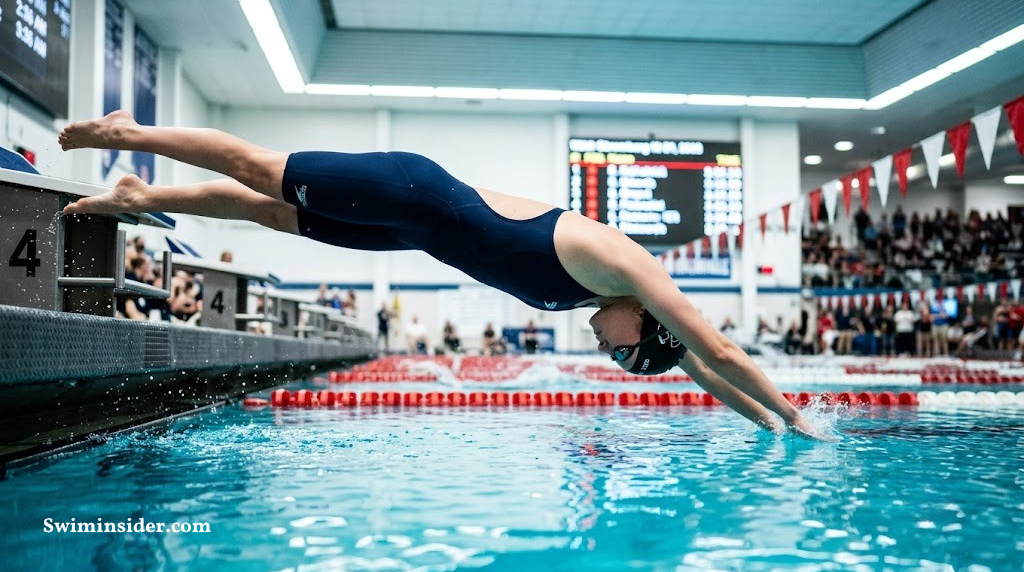
Best Swimsuit for Competitive Swimming: The Complete Buying Guide
Everything a racer, a masters swimmer, or a serious lap-counter needs to know before buying a suit that actually holds up to chlorine, starts, and turns.
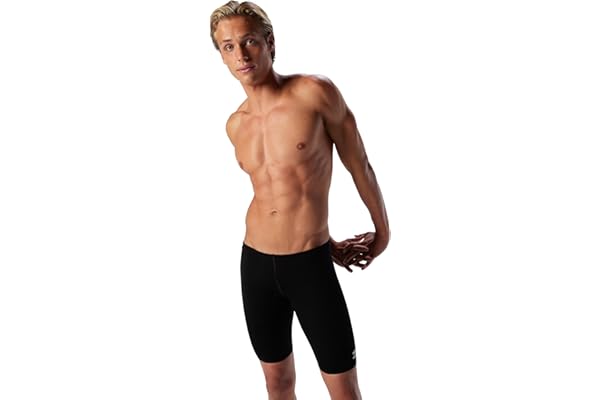
Ask any swimmer who has stood behind the blocks with a stopwatch running in their head, and they will tell you a swimsuit is not an accessory. It is equipment. The wrong suit drags, bunches at the hip, loses its snap after three practices, and quietly costs you tenths of a second every single length. The right suit disappears — it holds, it compresses, it stays put through a flip turn, and it lets you think about your stroke instead of your straps.
This guide is written for exactly that swimmer: the person searching for the best swimsuit for competitive swimming, not a cover-up for the beach. We will walk through what actually separates a training suit from a resort swimsuit, break down the fabric science that determines whether a suit survives a season of chlorine, and then get hands-on with ten specific suits worth your money, from budget training jammers to elite racing fabrics. By the end, you should be able to look at a product listing and know within seconds whether it belongs in your swim bag.
If you are still comparing swimsuit categories more broadly, our complete guide to the best swimsuits is a useful starting point before narrowing down to competitive-specific picks.
One thing worth setting expectations on early: there is no single suit that is objectively “the best” for every competitive swimmer. A sixteen-year-old sprinting the 50 freestyle at a high school meet has different needs than a masters swimmer logging 5,000 meters four mornings a week, and both have different needs from a club swimmer who trains distance freestyle five or six days a week year-round. What this guide aims to do is give you enough understanding of the underlying variables — fabric, fit, cut, and durability — that you can match a suit to your own training reality rather than simply buying whatever a teammate happens to wear.
Why Competitive Swimming Demands Specialized Swimwear
A casual swimsuit is designed to look good poolside and survive an afternoon of splashing around. A competitive swimsuit is designed to survive dozens of hours per week in heavily chlorinated water, resist the drag of moving water at speed, and keep its shape through hundreds of dives, flip turns, and pull-buoy sets. Those are fundamentally different engineering problems, and the fabrics reflect it.
Competitive suits are built around compression and muscle support. A well-fitted racing suit acts almost like a light form of compression wear, holding core and leg muscles in place to reduce the micro-vibrations that create drag in the water. That is why a training suit that fits “just right” out of the box is usually too loose after a month of pool use — a genuinely well-fitted suit should feel snug, almost restrictive, when dry.
There is also the matter of chlorine resistance. Standard swimwear fabrics, especially cheaper spandex-nylon blends, break down quickly when exposed to chlorinated water on a near-daily basis. Elastic fibers lose their recovery, colors fade, and the fabric becomes see-through or saggy far sooner than a swimmer wants. Competitive suits use chlorine-resistant fibers, most commonly polyester blends or PBT (polybutylene terephthalate), specifically because they hold their compression and color through repeated exposure.
Finally, competitive suits are cut differently. Racerback and open-back designs on women’s suits, and jammer or brief cuts on men’s suits, are chosen to maximize shoulder mobility and minimize water resistance, rather than to maximize coverage or fashion appeal. Straps that would be perfectly normal on a beach suit would slip constantly during a butterfly stroke, so competitive cuts lock the suit onto the body through cross-back or racerback strap geometry.
Competitive Swimwear vs. Casual Swimwear: What Actually Changes
It helps to see the differences side by side rather than as abstract claims. The table below breaks down the practical differences a swimmer will notice within the first few sessions of switching from a casual suit to a true training or racing suit.
| Feature | Casual Swimwear | Competitive Swimwear |
|---|---|---|
| Primary fabric | Nylon-spandex blend | Polyester-spandex or PBT-spandex blend |
| Chlorine resistance | Low to moderate | High, built for daily exposure |
| Fit intent | Relaxed, flattering | Compression, muscle support |
| Strap design | Adjustable ties, thin straps | Racerback, cross-back, or fixed straps for security |
| Drag profile | Not engineered for drag reduction | Smooth surface, tight seams, minimal ruffles |
| Lifespan under heavy use | 4-8 weeks of daily wear | 3-6 months of daily training wear |
None of this means a casual suit is a bad product — it simply is not built for the problem a competitive swimmer needs solved. If you are shopping for general swimwear rather than training gear specifically, our guides on the best swimsuits for women and best swimsuits for men cover that broader ground.
Key Factors to Consider When Choosing a Competitive Swimsuit
Before comparing specific products, it is worth understanding the handful of variables that actually determine whether a suit performs. Get these right and almost any suit within your budget range will serve you well; get them wrong and even an expensive suit will disappoint.
1. Fabric Composition
Look for polyester-based fabrics (often listed as PBT or “Endurance”-style fabric by major brands) if you swim more than three times a week. Nylon-spandex blends are lighter and often cheaper, and they are perfectly fine for swimmers training once or twice weekly, but they degrade faster under constant chlorine exposure.
2. Compression and Fit
A competitive suit should feel tight when you put it on dry — tight enough that you have to work a little to get it on. This is normal and intentional. The compression reduces muscle oscillation in the water, which in turn reduces drag. A suit that feels comfortable and loose out of the packaging will almost certainly feel baggy and slow within a few swims.
3. Cut and Coverage
For women, this typically means choosing between a racerback one-piece, an open-back one-piece, or a two-piece training suit, depending on personal preference and the level of back mobility required for stroke work. For men, the choice is generally between a jammer (extending to the knee) and a brief, with jammers offering more thigh compression and briefs offering the least drag and fastest drying time.
4. Chlorine and UV Resistance
If you train outdoors or in heavily treated indoor pools, chlorine and UV resistance ratings matter more than color or brand name. Suits explicitly marketed for “training” or “endurance” use are built to withstand hundreds of hours of exposure without losing shape.
5. Budget and Suit Rotation
Serious swimmers often rotate two or three training suits rather than relying on one, since alternating suits extends the life of each by giving the elastic fibers time to recover between wears. Factor this into your budget rather than buying a single premium suit and expecting it to last an entire season on its own.
Quick Comparison: Top Competitive Swimsuits at a Glance
Here is a snapshot of how the ten swimsuits in this guide stack up against each other before we go into the full reviews.
| Suit | Best For | Fabric Focus | Fit Style |
|---|---|---|---|
| Baleaf Athletic Training Adjustable Swimsuit | Daily training, adjustable fit | Chlorine-resistant blend | One-piece, adjustable straps |
| Speedo Women’s Standard Swimsuit | Reliable all-rounder | Speedo Endurance-style fabric | One-piece racerback |
| beautyin Swimming Costume | Budget training | Nylon-spandex blend | One-piece |
| Baleaf Conservative Racerback Training Suit | Modest coverage, training | Chlorine-resistant blend | Racerback one-piece |
| beautyin Athletic Swimwear | Lightweight practice suit | Nylon-spandex blend | One-piece |
| Speedo Endurance Solid Jammer | Men’s daily training | Speedo Endurance fabric | Jammer |
| Runhit Competitive Athletic Swimsuit | Budget racing look | Polyester-spandex blend | One-piece / jammer options |
| Swim Essentials Accessories Set | Support accessories | N/A — accessory item | N/A |
| TYR Durafast Elite Solid Jammer | Serious racers | Durafast Elite chlorine-proof fabric | Jammer |
| Professional Resistant Training Swimsuit | Heavy-use training | Resistant polyester blend | One-piece |
In-Depth Reviews: 10 Swimsuits Worth Your Money
Below is a closer look at each suit, including who it actually suits, where it falls short, and what to expect from it after a season of real training use.
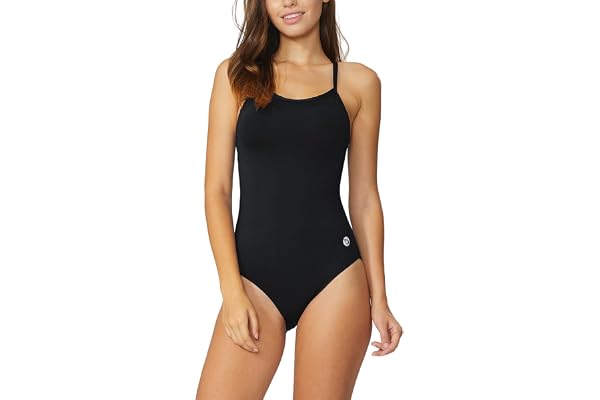
1. Baleaf Athletic Training Adjustable Swimsuit
This is one of the more practical picks for swimmers who are still narrowing down their exact fit, since the adjustable straps let you dial in compression rather than committing to a fixed strap length. The fabric leans toward a chlorine-resistant blend that holds its shape reasonably well across a training block, and the cut sits high enough on the leg to avoid restricting kick turnover.
Pros
- Adjustable straps accommodate different torso lengths
- Good chlorine resistance for the price point
- Comfortable for multi-hour training sessions
Cons
- Not built for competition-day drag reduction
- Color fades faster than premium fabrics under heavy sun exposure
Check current price and available sizes on Amazon.
View on Amazon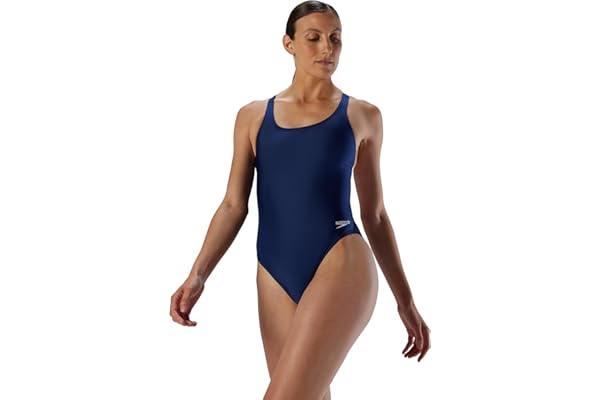
2. Speedo Women’s Standard One-Piece Swimsuit
Speedo’s reputation in competitive swimming is not marketing fluff — their standard training fabric genuinely holds compression longer than most budget alternatives, and the racerback cut is cut specifically for stroke mobility rather than aesthetics. This is a dependable, no-surprises choice for swimmers who want a suit they can trust for daily practice without babying it.
Pros
- Trusted, consistent fabric performance across sizes
- Racerback design stays put through flip turns
- Widely available replacement sizing if a suit wears out
Cons
- Sits at a slightly higher price point than generic alternatives
- Sizing runs snug — order true to size or slightly up
Check current price and available sizes on Amazon.
View on Amazon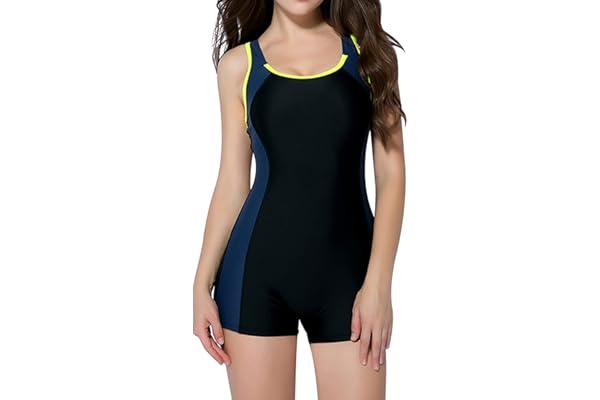
3. beautyin Swimsuit Swimwear Swimming Costume
This is a solid entry point for swimmers newer to structured training who are not ready to invest in premium fabric yet. It will not hold up to the daily grind of a competitive team schedule the way a chlorine-resistant fabric would, but for two to three sessions a week it performs well and is genuinely comfortable.
Pros
- Affordable entry point for newer swimmers
- Comfortable, flexible fabric for moderate training loads
- Simple, no-fuss design with fewer seams to irritate skin
Cons
- Fabric degrades faster under daily chlorine exposure
- Less compression than dedicated racing fabric
Check current price and available sizes on Amazon.
View on Amazon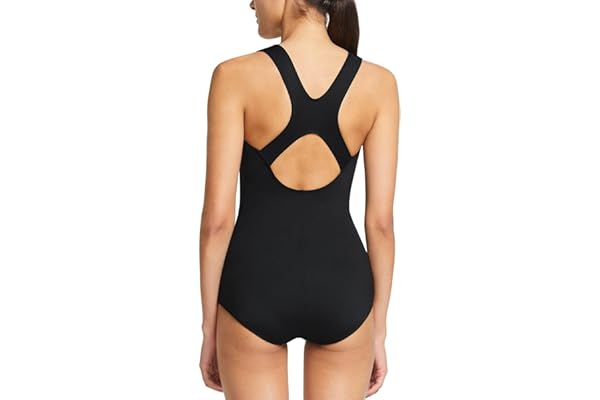
4. Baleaf Conservative Athletic Racerback Training Suit
For swimmers who prefer more coverage without sacrificing performance, this conservative-cut racerback is a strong middle-ground option. It keeps the racerback’s mobility benefits while offering a higher neckline and more torso coverage than most racing-focused suits, making it a favorite among swimmers who want a modest but genuinely functional training suit.
Pros
- Higher coverage without losing shoulder mobility
- Solid chlorine resistance for the price
- Good option for swimmers preferring modest cuts
Cons
- Slightly heavier fabric increases drag marginally
- Limited color selection compared to competitors
Check current price and available sizes on Amazon.
View on Amazon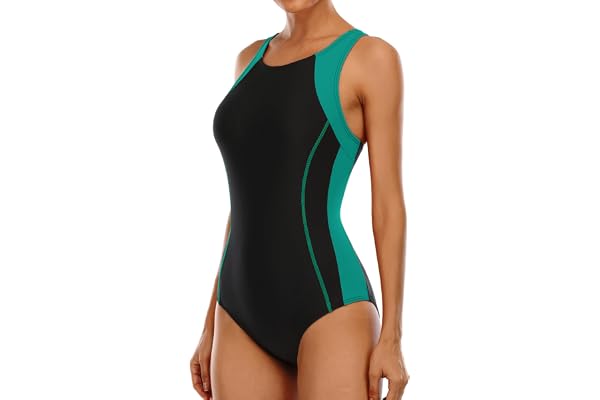
5. beautyin Bathing Suit Athletic Swimwear
A lightweight option that prioritizes ease of movement over maximum compression. Swimmers who train primarily for fitness rather than competitive times often prefer this style, since it feels less restrictive out of the water while still holding up reasonably well during actual swim sessions.
Pros
- Lightweight and comfortable for long sessions
- Quick-drying fabric between sets
- Budget-friendly compared to name-brand alternatives
Cons
- Less compression than dedicated racing suits
- Not ideal for swimmers training 5+ times weekly
Check current price and available sizes on Amazon.
View on Amazon
6. Speedo Endurance Solid Jammer Swimsuit
For men training seriously, this is one of the most dependable jammers on the market. Speedo’s Endurance fabric line is specifically engineered to resist chlorine breakdown over long training cycles, and the jammer cut provides thigh compression that many swimmers credit with improving kick efficiency during longer sets.
Pros
- Excellent chlorine resistance for daily training
- Thigh compression aids kick technique
- Holds color and shape well over a full season
Cons
- Snug fit takes some getting used to for new jammer wearers
- Higher price than generic jammers
Check current price and available sizes on Amazon.
View on Amazon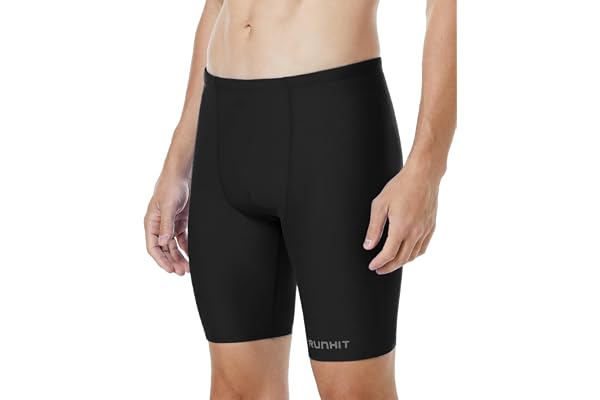
7. Runhit Competitive Athletic Swimming Suit
A budget-friendly entry into racing-style cuts, this suit gives swimmers the look and general fit profile of a competitive suit without the premium fabric price tag. It is a reasonable choice for swimmers testing whether a more compressive fit works for their stroke before committing to a pricier fabric.
Pros
- Affordable way to try a racing-style cut
- Decent compression for the price
- Available in multiple color options
Cons
- Fabric longevity trails premium brands under heavy use
- Sizing can run inconsistent between colorways
Check current price and available sizes on Amazon.
View on Amazon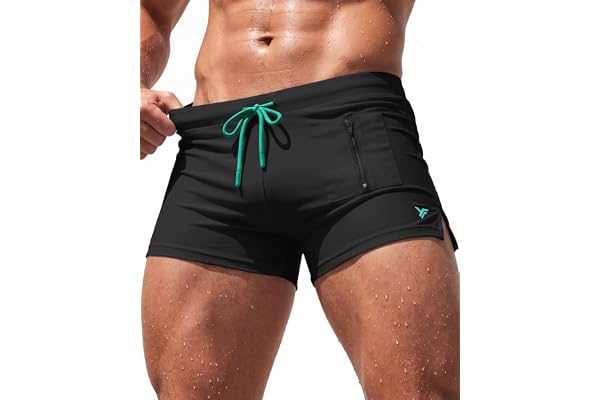
8. Swimwear Essentials Accessories Set
Not a swimsuit itself, but a useful supporting purchase — this kind of accessories set typically covers the small items competitive swimmers tend to lose or forget, such as spare suit liners, mesh gear bags, or replacement straps. It is worth pairing with any of the suits above rather than treated as a standalone purchase.
Pros
- Convenient bundle of small training necessities
- Good value compared to buying items individually
Cons
- Does not replace the need for a proper competitive suit
- Contents vary — check the listing details before buying
Check current price and contents on Amazon.
View on Amazon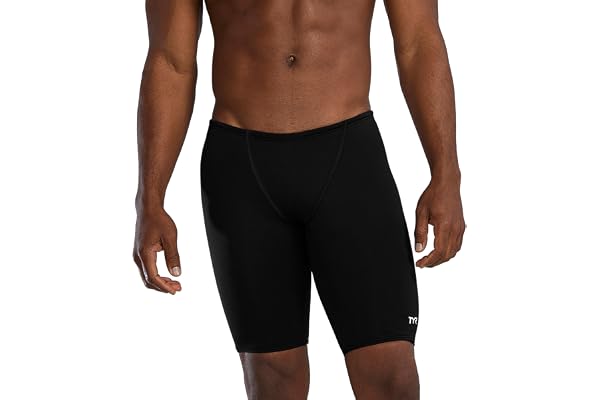
9. TYR Durafast Elite Solid Jammer
This is the suit for swimmers who train year-round and need a fabric that genuinely resists breaking down. TYR’s Durafast Elite fabric is one of the most chlorine-resistant materials available outside of true tech-suit racing fabric, and swimmers who train six or seven days a week consistently report it outlasting cheaper suits by months, not weeks.
Pros
- Exceptional chlorine resistance and shape retention
- Holds compression through a full season of daily training
- Trusted by club and collegiate-level swimmers
Cons
- Premium price point compared to entry-level jammers
- Tight fit requires accurate sizing before purchase
Check current price and available sizes on Amazon.
View on Amazon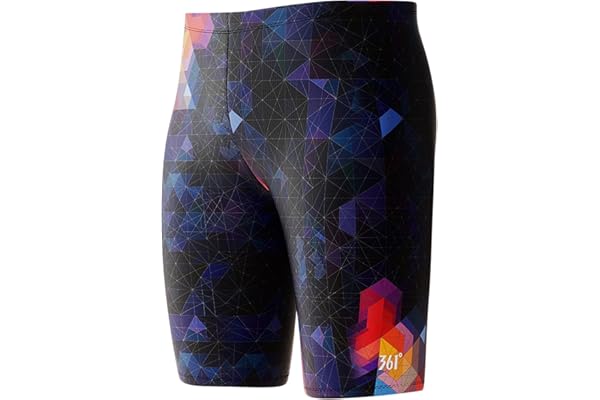
10. Professional Athletic Swimsuit, Resistant Fabric
Rounding out the list is a professional-style one-piece built around a heavier resistant fabric intended for teams and clubs that need suits to survive daily use across an entire roster. It is not the flashiest option on this list, but its durability under near-daily chlorine exposure makes it a smart pick for anyone training on a consistent schedule.
Pros
- Built to withstand daily team-level use
- Consistent fit across a range of sizes
- Reasonable price for the fabric quality offered
Cons
- Slightly less streamlined than premium racing cuts
- Fewer style/color options than boutique brands
Check current price and available sizes on Amazon.
View on AmazonWomen’s vs. Men’s Competitive Swimsuit Considerations
While the underlying fabric science is identical across genders, the cut priorities differ enough to matter when shopping. Women’s competitive suits generally revolve around the one-piece format, with the primary decision being racerback versus open-back or cross-back strap design, and how much torso and leg coverage the swimmer prefers. A racerback tends to offer the most secure fit for high-intensity stroke work like butterfly and freestyle sprinting, while open-back styles offer slightly more shoulder freedom for backstroke specialists.
Men’s competitive suits split primarily between jammers and briefs. Jammers extend to just above the knee and offer more surface-area compression on the thighs, which many swimmers feel improves kick propulsion and reduces muscle fatigue over long sets. Briefs offer the least fabric and the lowest drag profile, and are generally preferred for sprint events where every fraction of resistance matters, though they offer less muscular support over longer training sessions.
Swimmers exploring the broader women’s or men’s category before narrowing to competitive-specific cuts may find it useful to browse our dedicated guides on the best swimsuits for women and the best swimsuits for men, both of which cover a wider range of styles beyond training and racing use.
Fabric Technology Explained: What “Chlorine-Resistant” Actually Means
Most casual shoppers assume all swimsuit fabric is basically the same stretchy material with different patterns printed on it. In reality, the fabric composition is the single biggest factor separating a suit that lasts a season from one that saggy and see-through within a month.
Nylon-Spandex Blends
This is the most common fabric in budget and casual swimwear. It is soft, stretches well, and feels comfortable against skin, but nylon fibers absorb chlorine over time, which causes them to weaken and lose elasticity faster than other materials. A nylon-spandex suit worn daily in a chlorinated pool will typically show visible wear — fading, thinning, loss of stretch recovery — within four to eight weeks.
Polyester-Spandex Blends
Polyester fibers absorb far less chlorine than nylon, which means the fabric holds its compression and color significantly longer. Most suits marketed specifically as “training” or “endurance” suits by major brands use a polyester-based blend for exactly this reason. Expect a well-made polyester-spandex suit to hold up for three to six months of regular training use.
PBT (Polybutylene Terephthalate) Blends
PBT is a premium fiber used in high-end training and racing fabrics. It offers excellent chlorine resistance while retaining more stretch and recovery than standard polyester, which is why premium fabric lines from brands like TYR and Speedo tend to rely on PBT-spandex combinations. These fabrics come at a higher price point but typically outlast cheaper alternatives by a wide margin, especially for swimmers training five or more days per week.
Weave, Compression Panels, and Bonded Seams
Beyond the raw fiber content, how the fabric is woven and assembled makes a measurable difference. Tightly woven fabrics with a higher denier feel stiffer out of the water but tend to hold compression longer and resist stretching out of shape over a season. Some suits also incorporate targeted compression panels around the core and hips, which are woven more densely than the rest of the suit specifically to reduce muscle vibration in those high-drag zones.
Seam construction matters more than most shoppers realize as well. Bonded or ultrasonically welded seams sit flatter against the skin than traditional stitched seams, reducing the tiny ridges of fabric that create drag as water passes over them. This is a bigger factor in dedicated racing suits than in everyday training suits, but it is worth checking the product description for any suit marketed toward serious competition rather than general practice.
Sizing and Fit Guide for Competitive Swimsuits
Getting the fit right is arguably more important than the specific suit you choose, since even the best fabric will underperform if the suit is too loose or restrictively tight in the wrong places. A properly fitted competitive suit should feel snug and slightly difficult to put on when completely dry — that resistance is compression doing its job, and the suit will relax slightly once wet.
Use brand-specific size charts rather than assuming your regular clothing size translates directly, since competitive swimwear brands size differently from casual apparel and even from each other. Measure chest, waist, and hip circumference in centimeters or inches as specified by the brand’s chart, and size up only if you are between sizes and plan to wear the suit primarily for endurance training rather than short, high-intensity racing.
For jammers, pay attention to inseam length in addition to waist measurement, since a jammer that rides up during a flip turn is more distracting than one that is simply snug. For one-piece suits, check strap width and back style carefully — racerback and cross-back straps fit differently across the shoulders even at the same labeled size.
It also helps to try on a new suit for a short, low-intensity swim before wearing it in a full workout or a meet. This gives you a chance to notice any chafing points, strap slippage, or unexpected looseness while the stakes are low, rather than discovering a fit problem mid-set or, worse, mid-race. Most swimmers find that a suit which felt slightly too snug in the locker room settles into a comfortable, secure fit after the first few minutes in the water, once the fabric has had a chance to wet out fully.
Care and Maintenance: Making Your Suit Last Longer
Chlorine is the primary enemy of any competitive swimsuit’s lifespan, and most of what determines how long a suit lasts happens after you leave the pool, not during the swim itself. Rinse the suit in cool, fresh water immediately after every session — chlorine continues to degrade elastic fibers as the suit dries, so the longer it sits saturated with pool water, the more damage accumulates.
Avoid wringing the suit out, since twisting stresses the elastic fibers unnecessarily. Instead, gently press out excess water with a towel and lay the suit flat to dry away from direct sunlight, which also breaks down spandex fibers over time. Never put a competitive swimsuit in a washing machine or dryer — the heat and mechanical agitation will destroy the fabric’s compression properties far faster than normal wear.
Rotating between two or three suits rather than wearing the same suit every single day gives the elastic fibers time to recover between sessions, which noticeably extends the useful life of each suit. Serious swimmers often treat this rotation as a standard part of their gear management rather than an unnecessary expense.
Common Mistakes Swimmers Make When Buying a Competitive Suit
The most common mistake is buying based on how a suit fits standing in a fitting room rather than how it needs to fit for actual training. A suit that feels comfortable and non-restrictive when dry is very likely too loose for real performance benefit — the compression that helps in the water requires a snugger fit than most people expect the first time they buy a training suit.
Another frequent mistake is ignoring fabric composition entirely and choosing based on price or appearance alone. A swimmer training four or five times weekly who buys a basic nylon-spandex suit will often find themselves replacing it within a month or two, spending more over a season than they would have spent on a single higher-quality polyester or PBT suit.
Finally, many swimmers skip proper post-swim care, assuming any swimsuit fabric can handle being left damp in a gym bag until the next wash day. This single habit shortens a suit’s usable lifespan more than almost any other factor, regardless of how much the suit originally cost.
A less obvious mistake is buying a suit purely because it matches a team color or a favorite brand’s logo, without checking whether the specific fabric line is actually rated for training versus occasional wear. Brands frequently sell multiple fabric tiers under the same overall name, and a suit from a well-known racing brand is not automatically built from the brand’s most durable material. Reading the specific fabric name on the listing — not just the brand name — is worth the extra thirty seconds before checkout.
Racerback vs. Jammer vs. One-Piece: Which Style Wins?
There is no single “best” style across the board — the right choice depends on stroke focus, training volume, and personal comfort. Racerback one-pieces remain the standard choice for most competitive female swimmers because the strap design locks the suit in place through high-turnover strokes like freestyle and butterfly without slipping.
Jammers are the default choice for most competitive male swimmers training seriously, offering a balance of thigh compression and reasonable drag reduction without the minimal coverage of a brief. Briefs remain popular specifically among sprinters and racers who prioritize the absolute lowest possible drag over comfort or muscular support during longer sets.
Two-piece training suits, while less common in formal competition, are popular among swimmers who want more comfort and easier bathroom breaks during long practice sessions, provided the top and bottom both offer sufficient compression and stay secured through turns and dives.
For swimmers who want to compare two-piece and one-piece options more broadly, our guides on the best one-piece swimsuits and best two-piece swimsuits go deeper into fit and style differences outside the competitive-specific context.
Budget vs. Premium Suits: Is the Extra Cost Worth It?
For swimmers training once or twice a week for fitness rather than competition, a budget nylon-spandex suit is genuinely sufficient and there is little practical benefit to spending significantly more. The calculation changes quickly, however, once training frequency climbs to three or more sessions weekly, since that is roughly the threshold where chlorine exposure begins to noticeably shorten the lifespan of cheaper fabrics.
Premium polyester and PBT suits cost more upfront, often two to three times the price of a basic training suit, but they typically last two to four times longer under heavy use. For a swimmer training daily across a full season, the cost per week of wear frequently favors the premium suit once you account for how often a budget suit needs replacing.
The exception is suit rotation strategy: many competitive swimmers find the best value in owning two mid-range polyester suits rather than one premium PBT suit, since alternating suits extends the life of both while spreading out the total cost over a longer period.
There is also a psychological factor worth mentioning honestly: a suit that feels genuinely fast and secure can have a real effect on confidence heading into a race, separate from any measurable material benefit. If a premium suit helps a swimmer feel dialed in and focused behind the blocks, that is a legitimate reason to consider the upgrade, even if the raw performance difference between a mid-range and premium training fabric is modest for most age-group and masters swimmers.
Frequently Asked Questions
What is the best fabric for a competitive swimsuit?
Polyester-spandex and PBT-spandex blends are generally considered the best fabrics for competitive use, since they resist chlorine breakdown far better than standard nylon-spandex blends and hold their compression over months of regular training.
How tight should a competitive swimsuit fit?
A competitive suit should feel snug and slightly difficult to put on when completely dry. This tightness is intentional — the compression reduces muscle oscillation in the water and slightly relaxes once the suit is wet.
How long does a competitive swimsuit last?
A nylon-spandex suit typically lasts four to eight weeks under daily use, while a polyester or PBT-based suit can last three to six months or longer, depending on training frequency and post-swim care.
Should I buy a jammer or a brief for training?
Jammers offer more thigh compression and are generally preferred for regular training, while briefs offer the lowest drag and are more commonly used for sprint racing rather than daily practice.
Do I need a different suit for practice versus competition?
Many swimmers use a durable training suit for daily practice and reserve a premium racing-fabric suit for competition days, since this extends the life of the more expensive racing suit while still training in appropriate gear.
How often should I rinse my swimsuit?
Rinse your suit in cool, fresh water immediately after every session. Chlorine continues to break down elastic fibers while the suit dries, so prompt rinsing meaningfully extends the suit’s usable life.
Can I put a competitive swimsuit in the washing machine?
No. Washing machines and dryers use heat and mechanical agitation that will damage the compression fibers far faster than normal training wear. Hand rinse and air dry away from direct sunlight instead.
What is the difference between a racerback and an open-back swimsuit?
A racerback design crosses the straps in an X or H shape across the back, offering a more secure fit for high-turnover strokes, while an open-back design offers a wider opening for shoulder mobility, often preferred by backstroke specialists.
Is it worth rotating between multiple swimsuits?
Yes. Alternating between two or three suits gives the elastic fibers time to recover between wears, which extends the lifespan of each suit and is generally more cost-effective than relying on a single suit worn daily.
Do competitive swimsuits come in plus sizes?
Many competitive brands offer extended sizing, though selection is more limited than in casual swimwear. Our plus size swimsuit guide covers additional options beyond the competitive-specific picks in this article.
What should I look for besides the swimsuit itself?
A well-fitted pair of swimming goggles and a reliable cover-up for between sets can meaningfully improve a training or competition day, even though they are separate purchases from the suit itself.
Are more expensive suits always better for competition?
Not necessarily. Price often correlates with fabric durability and chlorine resistance rather than raw speed benefit for training purposes. For actual competition-day racing suits, technology and cut matter more than price alone, but for daily training, durability is usually the better metric to optimize for.
Final Thoughts: Choosing the Right Competitive Swimsuit
The best swimsuit for competitive swimming is the one that matches your training frequency, fabric durability needs, and stroke-specific fit preferences — not necessarily the most expensive suit on the shelf. Swimmers training a handful of times per week will do perfectly well with a budget-friendly nylon-spandex suit, while daily trainers and racers will get more real-world value from a polyester or PBT-based suit built specifically to withstand chlorine exposure over a full season.
Whichever suit you choose from this guide, remember that fit and post-swim care matter just as much as the fabric itself. A well-cared-for mid-range suit will consistently outperform a neglected premium one.
Shop Top-Rated Competitive Swimsuits on AmazonLooking for more swimwear guidance beyond training and racing suits? Explore our full library, including the complete best swimsuits hub, best tankini swimsuits, best swimsuit cover-ups, best Sports Illustrated swimsuits, and best modest swimsuits.