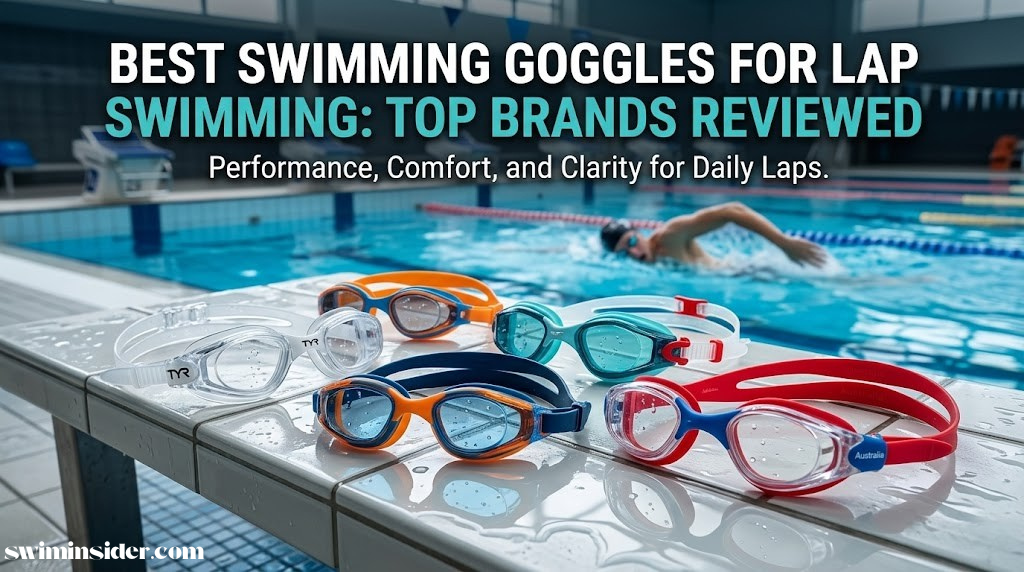
Best Swimming Goggles for Lap Swimming: Ultimate Buying Guide
Finding the right swimming goggles for lap swimming can transform your training experience. The perfect pair reduces drag, prevents leaks, minimizes fogging, and keeps your eyes protected during long pool sessions. Whether you’re training for competitions or maintaining fitness, your goggles deserve the same attention as your suit and kicks. This guide reviews the top-performing lap swimming goggles and walks you through everything you need to know to choose the perfect fit.
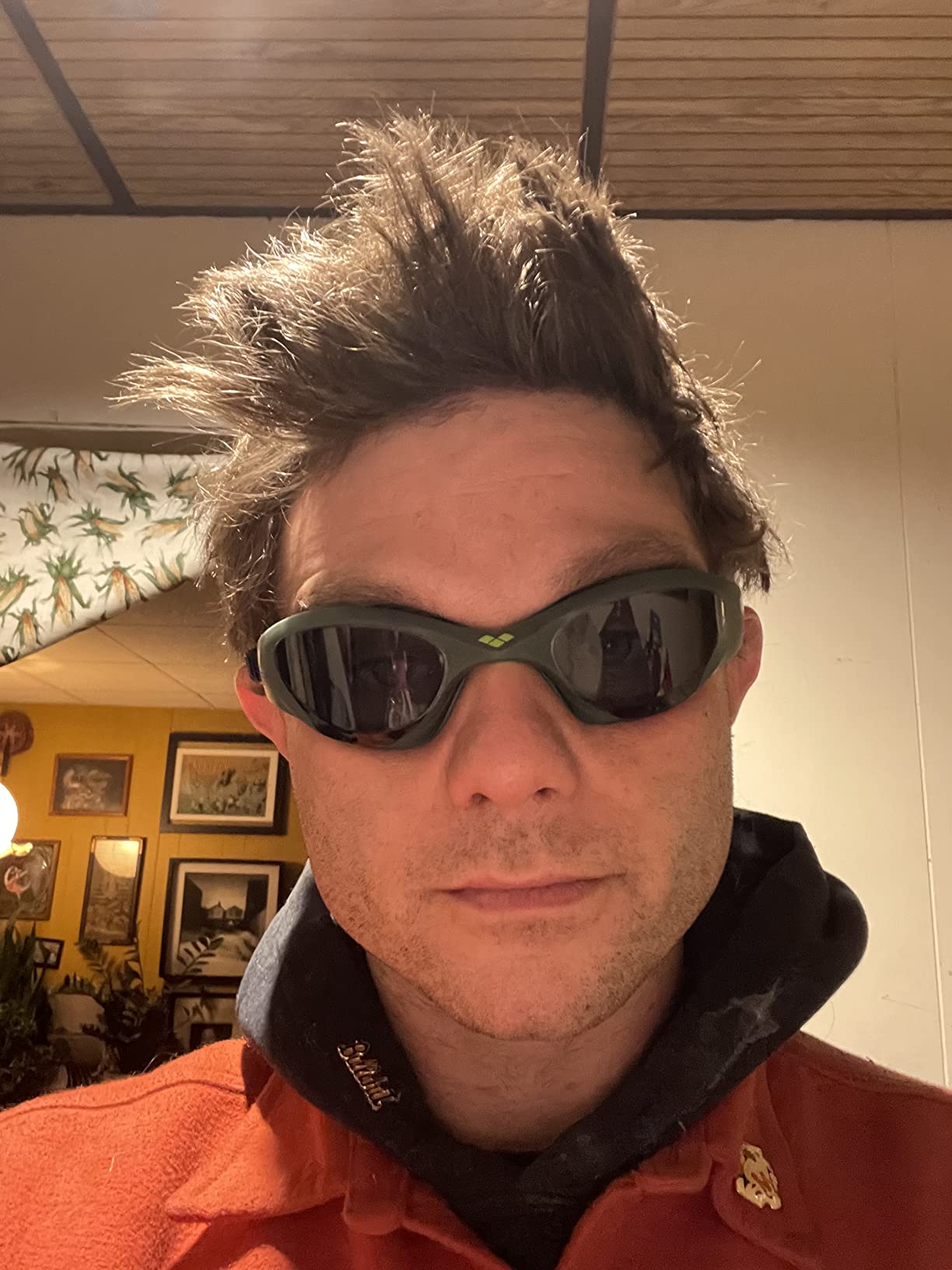
Why Lap Swimming Goggles Matter
Lap swimming demands specific goggle characteristics that differ from casual recreational swimming. When you’re completing distance sets or interval training, your goggles must deliver consistent performance, comfort over extended periods, and optical clarity to track your lane position and workout performance.
The best swimming goggles for lap swimming share several key attributes: they maintain a secure seal throughout high-intensity workouts, feature effective anti-fog coatings to keep your vision clear for 30+ minutes of continuous swimming, and provide a streamlined profile that doesn’t create drag. High-quality lenses offer excellent visibility without distortion, allowing you to sight properly and maintain stroke efficiency.
Unlike casual swimmers who might wear goggles for brief recreational sessions, lap swimmers need equipment engineered for performance. Your choice affects your ability to breathe rhythmically, sight turns, and maintain focus during challenging sets. Investing in the right pair eliminates distractions and lets you concentrate on your technique and training goals.
This comprehensive guide examines the top lap swimming goggles available today, breaks down critical features to understand, and provides a framework for selecting the perfect pair for your unique face shape, preferences, and training style.
Arena Orbit Pro Goggles
Professional-grade lap swimming goggles with exceptional anti-fog technology
Quick Comparison Table
Here’s an at-a-glance overview of the top lap swimming goggles reviewed in this guide. This table helps you compare key specs, price points, and features to narrow down your choices based on your priorities.
| Model | Anti-Fog | Lens Type | Strap | Best For | Price Range |
|---|---|---|---|---|---|
| Arena Orbit | Excellent | Clear Mirror | Silicone | All-around performance | $40–$60 |
| Speedo Biofuse | Very Good | Clear | Silicone | Comfort & fit | $25–$40 |
| TYR Nest Pro Nano | Outstanding | Clear/Smoke | Adjustable | Distance swimmers | $60–$80 |
| TYR Vesi | Excellent | Polarized | Silicone | Open water & outdoor | $35–$50 |
| Kaiman EXO | Very Good | Clear | Adjustable | Customizable fit | $50–$70 |
| Sporti X-TEC Pro | Good | Clear/Tinted | Double silicone | Value-conscious swimmers | $20–$35 |
Want a deeper dive into specific categories? Check out our guides on best anti-fog swimming goggles, most comfortable swimming goggles, and goggles that don’t leak for more specialized recommendations.
Arena Orbit Pro: Best Overall Lap Swimming Goggles

Arena Orbit Pro Goggles
The Arena Orbit Pro stands out as the most versatile option for serious lap swimmers. These goggles deliver an exceptional blend of performance, comfort, and durability that earns them consistent praise from both recreational and competitive swimmers.
✓ Pros
- Exceptional anti-fog coating that lasts through 45+ minute sessions
- Perfect balance of visibility and protection with mirror lenses
- Secure fit stays in place during flip turns and underwater work
- Silicone strap is durable and doesn’t deteriorate quickly
- Available in multiple lens options for different lighting conditions
- Compatible with wide face shapes without pinching
✗ Cons
- Slightly higher price point than entry-level alternatives
- Mirror lenses require careful storage to avoid scratching
- May feel slightly loose on very small faces without strap adjustment
Arena engineered the Orbit Pro specifically for lap swimmers. The curved lens design provides excellent peripheral vision, while the low-profile frame minimizes water resistance. The anti-fog coating uses a durable hard-surface treatment, not a temporary solution, which explains why these goggles maintain clarity through demanding training sessions.
The dual-strap design distributes pressure evenly across your head, preventing the discomfort that single-strap goggles sometimes cause during long sets. Many lap swimmers report wearing these goggles for 60+ minutes without adjustment, which is exceptional.
Arena Orbit Pro — Complete Package
Professional anti-fog technology meets superior comfort for serious lap swimmers
Speedo Biofuse: Best for Comfort & Casual Lap Swimming

Speedo Biofuse Goggles
If comfort is your primary concern, the Speedo Biofuse delivers outstanding fit without sacrificing performance. These goggles have become the standard for lap swimming because they balance affordability, durability, and genuine comfort during extended pool sessions.
✓ Pros
- Ultra-soft silicone around eye cups reduces pressure points
- Lightweight design feels barely noticeable on your face
- Excellent value—affordable without obvious compromises
- Wide availability makes replacement easy
- Suitable for all face shapes and sizes
- Proven durability across thousands of lap swimmers
✗ Cons
- Anti-fog coating degrades after 2–3 months of regular use
- Clear lenses offer less sun protection than mirror or tinted options
- Not the most secure fit for high-speed swimming or flip turns
Speedo’s Biofuse technology uses soft-flex eye cup material that molds gently around your eye sockets. This design dramatically reduces pressure marks and soreness compared to rigid plastic frames. Swimmers often describe these goggles as “barely being there,” which contributes to their massive popularity.
The wide bridge design accommodates various face structures, and the silicone strap doesn’t cause the hair pulling that some goggles are notorious for. These goggles excel for moderate-intensity lap swimming, recreational distance sets, and swimmers still building their goggle tolerance.
While the anti-fog coating eventually diminishes, budget-conscious swimmers can extend performance by storing goggles lens-down and periodic de-fogging treatments. For swimmers doing 20–30 minute sessions, these goggles perform admirably throughout their lifespan.
Speedo Biofuse — Maximum Comfort
Soft flex technology and excellent fit for all-day comfort
TYR Nest Pro Nano: Best for Serious Distance Training

TYR Nest Pro Nano Goggles
The TYR Nest Pro Nano represents the pinnacle of lap swimming goggle technology. These are engineered for swimmers covering high weekly distances, preparing for competitive events, and demanding the absolute best from their equipment.
✓ Pros
- Nano-coating anti-fog technology stays effective for 6+ months
- Exceptionally clear lenses with zero distortion
- Minimalist aerodynamic frame reduces drag significantly
- Multiple adjustment points allow fine-tuning for perfect fit
- Available in clear, smoke, and polarized lens options
- Competition-grade durability and performance
✗ Cons
- Premium pricing reflects advanced technology
- Adjustment complexity might intimidate new goggle users
- More angular frame design may not suit all face shapes equally
TYR’s nano-coating technology applies a microscopically thin layer to the lens that actively resists fogging. This isn’t a temporary anti-fog solution—it’s a permanent coating that works because it changes the water-repellent properties of the lens surface itself.
The adjustable nose bridge allows micro-tuning to match your unique face measurements. This customization capability ensures the most secure fit possible, which becomes critical during flip turns, dolphin kicks, and high-intensity interval sets where goggles can shift.
Competitive swimmers especially appreciate the clarity and freedom from fogging during race efforts or threshold training. The streamlined frame design reduces drag, offering a real advantage during speed work. If you’re logging 15+ miles per week or training for competition, these goggles are worth the investment. For recreational swimmers, check our guide on competitive swimming goggles for more options at this performance level.
TYR Nest Pro Nano — Premium Performance
Nano-coating anti-fog technology for 6+ months of superior vision
TYR Vesi: Best Polarized Option for Outdoor Swimming

TYR Vesi Goggles
The TYR Vesi brings specialized features for lap swimmers who train in outdoor pools, open water, or sunny conditions. The polarized lens technology is genuinely effective, reducing water glare significantly without the shadowy feeling some polarized goggles create.
✓ Pros
- Polarized lenses eliminate water glare in bright outdoor conditions
- Great color transmission even with lens tinting
- Comfortable design works for lap swimming and open water
- Excellent build quality matches TYR’s performance standards
- Effective anti-fog coating for outdoor use
✗ Cons
- Not ideal for indoor pool swimmers due to limited lens options
- Polarization can make underwater objects harder to distinguish
- Slightly higher price for outdoor-specific feature set
If you alternate between outdoor pools and open water swimming, the TYR Vesi solves the common problem of intense sun glare reflecting off water surfaces. Polarized lenses work by blocking reflected light waves, which dramatically reduces eye strain during extended outdoor sessions.
The lens color and tint level are specifically engineered for water environments, not general polarized sunglasses. This means you get actual benefits rather than stylish-looking goggles that perform poorly. Lap swimmers using outdoor facilities consistently report better visibility and less eye fatigue with these goggles.
For swimmers who train exclusively indoors, standard clear or smoke lens goggles work better. But if your training includes outdoor facilities or seasonal transitions, the Vesi’s specialized design becomes genuinely valuable. Browse our article on best open water swimming goggles for more outdoor-focused options.
TYR Vesi — Polarized Performance
Glare-reducing polarized lenses for outdoor and open water swimming
Kaiman EXO: Best Customizable Fit for Unique Face Shapes
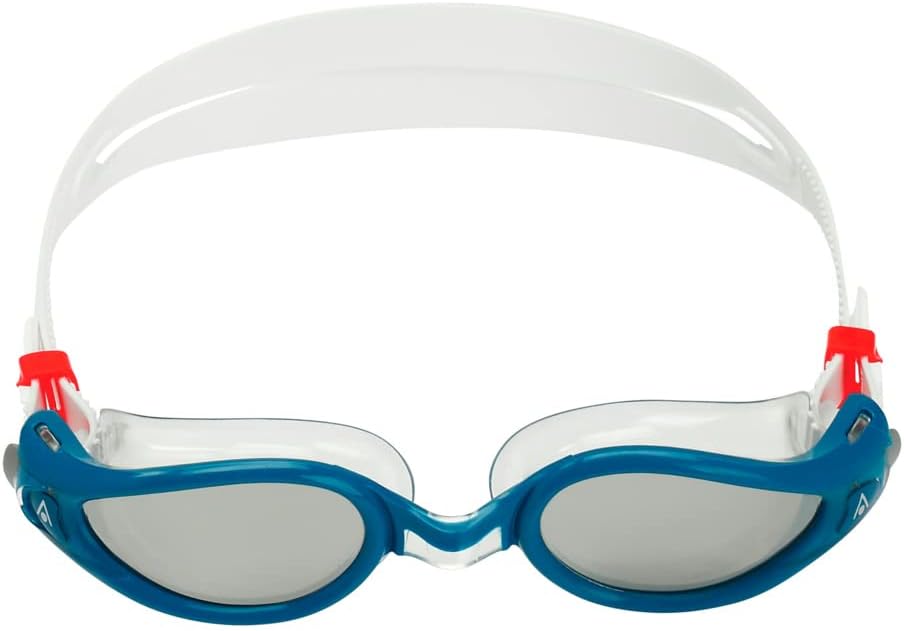
Kaiman EXO Goggles
The Kaiman EXO takes a unique modular approach, offering multiple adjustment points so you can customize the fit to your exact face geometry. This makes them an excellent choice for swimmers with wide faces, narrow faces, or high cheekbones that create fit challenges.
✓ Pros
- Multiple size adjustments provide unprecedented customization
- Works exceptionally well for swimmers with wide faces
- Replaceable nose bridge accommodates different bridge widths
- Excellent seal and water-tightness when properly adjusted
- Durable construction from quality materials
✗ Cons
- Initial fit adjustment requires time and patience
- Anti-fog coating is adequate but not exceptional
- More complicated than simpler goggle designs
Kaiman designed the EXO specifically for swimmers struggling to find goggles that fit properly. The modular frame allows adjustment of the nose bridge position, eye cup angle, and strap tightness independently. This means if your face has an unusual geometry—like wide-set eyes or a broad cheekbone structure—these goggles can accommodate it.
The learning curve is more pronounced than simpler goggles. You’ll need to experiment with different adjustment positions to discover your optimal configuration. Once you find it, however, you get a custom-fit experience that stock goggles simply can’t match.
For swimmers with wide faces who’ve struggled with leaks, pinching, or gaps, the EXO often solves the problem. Many swimmers only discover these goggles after wearing ill-fitting alternatives for years, making them genuinely grateful for the customization options.
Kaiman EXO — Customize Your Fit
Modular design for personalized fit on unique face shapes
Sporti X-TEC Pro: Best Budget-Friendly Option

Sporti X-TEC Pro Goggles
Budget-conscious swimmers don’t have to compromise on functionality with the Sporti X-TEC Pro. These goggles deliver solid performance at a fraction of premium prices, making them excellent for beginners, swimmers on tight budgets, and those looking for backup goggles.
✓ Pros
- Exceptionally affordable entry point for quality goggles
- Functional anti-fog coating adequate for moderate use
- Available in multiple lens tints and colors
- Decent comfort for casual lap swimming
- Widely available online and in retail stores
- Good backup goggle option
✗ Cons
- Anti-fog coating degrades faster than premium options
- Silicone quality is adequate but not as durable long-term
- Not recommended for high-intensity training or competition
- Limited lens clarity compared to higher-end models
The Sporti X-TEC Pro proves that you don’t need to spend $70+ to get working lap swimming goggles. For swimmers completing 20–30 minute sessions at moderate intensity, these goggles perform perfectly well. The double silicone strap is actually a nice touch that improves durability.
Consider these goggles if you’re testing whether serious lap swimming is right for you, trying to build goggle tolerance, or looking for an inexpensive backup pair. They’re also ideal for beginning swimmers who haven’t yet invested in premium equipment.
The tradeoff is clear: you’re getting acceptable performance at the cost of longevity and extreme performance capabilities. These goggles will serve you well for their lifespan, but don’t expect them to compete with $60+ models in terms of anti-fog coating durability or optical clarity.
Sporti X-TEC Pro — Affordable Performance
Budget-friendly goggles that don’t compromise on essential features
Fit and Comfort: The Most Important Factor
No goggle performs well if it doesn’t fit your face properly. Comfort during lap swimming isn’t just about pleasure—it directly affects seal quality, which determines how much water enters your goggles.
The eye cup should sit gently around your eye sockets without excessive pressure. When you press your face against your palm to create a seal, your cheekbones and brow ridge should contact the silicone first, not the plastic frame. This distribution prevents the “goggle marks” that some swimmers develop after extended wear.
The nose bridge position is critical. It should sit comfortably above your actual bridge without pressing or creating a gap. Many swimmers don’t realize that poor nose bridge fit causes 50% of goggle leaks. If water consistently enters from below, your nose bridge position is likely too wide.
The strap should hold goggles firmly but not painfully. You should be able to slide your pinky finger underneath the strap on your forehead. If it’s tighter, headaches and hair pulling result. If it’s looser, goggles will shift during flip turns.
Test fit by pressing goggles against your face without the strap fastened. A proper fit creates suction that holds them briefly without the strap. If they fall off immediately, the fit isn’t suitable for your face shape.
Anti-Fog Technology: Keeping Your Vision Clear
Anti-fog performance separates excellent lap swimming goggles from mediocre ones. Fogging reduces visibility, forces you to break stroke rhythm to clear goggles, and creates unnecessary frustration during training.
Three primary anti-fog approaches exist in modern lap swimming goggles. Temporary coatings use an easily-removable layer, typically lasting 2–4 weeks. These are economical but require frequent reapplication or goggle replacement. Semi-permanent hard coatings last 2–3 months and offer better durability without permanent alteration.
True nano-coatings represent the premium option, providing 6+ months of anti-fog performance. These actually change the water-resistant properties of the lens surface at the molecular level. They’re significantly more expensive but eliminate the constant frustration of fog returning.
Beyond coating type, usage habits affect performance. Never wipe the inside of goggle lenses with your fingers—you’ll damage the coating. Don’t use harsh cleaners. Instead, soak goggles in clean water and air dry. Store them lens-down in a goggle case when not in use.
If your goggles do begin fogging mid-session, you can apply temporary fixes. Saliva works surprisingly well (some competitive swimmers use this trick). Specialized anti-fog drops designed for goggles provide another option, though they’re not necessary if you’ve chosen goggles with quality coatings.
For detailed information on this topic, visit our comprehensive guide on how to stop swimming goggles fogging.
Lens Types and Optical Characteristics
Your lens choice affects visibility, light protection, and comfort in different pool environments. Understanding these options helps you select the best goggles for your primary training location.
Clear Lenses offer maximum light transmission and excellent visibility in indoor pools or overcast conditions. They’re the most versatile option for year-round training and provide the clearest underwater visibility. If you train exclusively indoors, clear lenses are your best choice.
Smoke or Tinted Lenses reduce bright light without polarization, making them suitable for outdoor pools or sunny conditions. They reduce glare and eye strain without the water-penetration issues that some polarized lenses create. Many swimmers prefer smoke lenses for lap swimming because they balance protection with clarity.
Mirror Lenses reflect light away from your eyes, providing excellent protection in bright outdoor settings. The reflective coating looks impressive and offers significant glare reduction. However, mirror coatings can scratch during normal use and storage, and some swimmers find the reflective effect slightly distracting.
Polarized Lenses eliminate water glare by blocking reflected light waves. These excel in open water and outdoor pool environments, dramatically reducing eye strain during extended outdoor swimming. However, they can make underwater objects harder to distinguish and aren’t necessary for indoor lap swimming.
For most lap swimmers, clear lenses for indoor training and smoke lenses for outdoor sessions provide optimal versatility. Competitive swimmers often prefer clear lenses to eliminate any perception of visibility reduction during races.
Durability and Longevity: Building Value
Lap swimming goggles are equipment, not disposable items. Quality construction determines how long they’ll serve you before replacement becomes necessary.
The silicone that contacts your face should maintain flexibility for 12+ months of regular use. Lower-quality silicone becomes stiff and brittle, eventually cracking. When this happens, the seal degrades and leaks become inevitable. Premium goggles use silicone compounds engineered to remain soft and flexible even after hundreds of hours of use.
The plastic lens frame also impacts durability. Impact-resistant plastics resist cracks and maintain shape under pressure. Budget goggles sometimes use fragile plastics that crack when accidentally squeezed or dropped, while premium options can withstand significant trauma.
Lens coatings naturally degrade over time. Anti-fog effectiveness diminishes gradually. Scratch-resistant coatings eventually succumb to small abrasions from goggle cases, towels, or cleaning. This is normal and expected; budget in replacement goggles annually if you train seriously.
Proper care extends durability. Rinse goggles in fresh water after each use to remove chlorine. Store them in cases that prevent lens contact. Avoid leaving them in hot cars or direct sunlight, which can degrade materials. Never store goggles with the lenses facing up; this encourages dust and debris to settle on the coating.
If you swim 6+ days weekly, expect to replace goggles every 12–18 months. Recreational swimmers might keep the same pair for 24+ months. Competitive swimmers often rotate between 2–3 pairs to extend the lifespan of any individual pair.
The Ultimate Buying Guide: How to Choose
With so many options available, selecting the right lap swimming goggles requires thinking through your specific needs and priorities. Use this framework to make a confident decision.
First, identify your training focus. Are you a recreational fitness swimmer, training 3–4 times weekly for general health? Choose comfortable, affordable options like Speedo Biofuse. Are you a serious distance swimmer, logging 15+ miles weekly? Premium options like TYR Nest Pro Nano justify the investment. Are you training for competition? Look at competitive swimming goggles specifically engineered for racing.
Second, consider your training environment. Indoor pools? Clear lenses work perfectly. Outdoor pools or open water? Smoke or polarized lenses excel. If you alternate between environments, buying two pairs—one optimized for each setting—often makes more sense than compromising with a single pair.
Third, test multiple brands if possible. Fit is so individual that what works perfectly for your training partner might feel uncomfortable on your face. Visit shops where you can try goggles before purchasing, or choose retailers with excellent return policies.
Fourth, prioritize anti-fog performance if you swim longer than 30 minutes. If you’re completing distance sets, superior anti-fog coating becomes genuinely valuable. If you’re doing 20-minute sessions, entry-level anti-fog suffices.
Fifth, consider your budget honestly. Premium goggles ($60+) are better, but budget options ($20–$35) perform adequately for most swimmers. Mid-range goggles ($40–$55) often offer the best value combination of quality and price.
Finally, remember that you might need multiple pairs. Many lap swimmers keep a primary pair they love and a backup for when they need to wash their primary pair or if one gets damaged. Rotating between pairs also extends their lifespan by reducing cumulative stress on materials.
Frequently Asked Questions About Lap Swimming Goggles
These are the most common questions we receive from swimmers choosing between lap swimming goggles. Check here for quick answers to your concerns.
Swimming goggles should fit snugly enough to create a watertight seal without causing discomfort or pain. You should be able to slide your pinky finger under the strap on your forehead. If the strap is tighter, it can cause headaches and hair pulling. If it’s looser, goggles will shift during flip turns. Learn more in our detailed guide on how tight swimming goggles should be.
Leaking usually results from three factors: incorrect fit (especially nose bridge width), insufficient strap tension, or damaged silicone. Test fit by pressing goggles against your face without the strap; if they fall off immediately, the fit isn’t suitable. If water enters from specific locations, your nose bridge position might need adjustment. For detailed troubleshooting, check our guide on why swimming goggles leak.
After each swim, rinse goggles in fresh water to remove chlorine. Soak them briefly in clean water to soften debris, then gently wipe with a soft cloth. Never scrub the lenses aggressively, as this damages anti-fog coatings. Store them in a protective case, lens-down. Never use harsh chemicals or hot water, which can degrade silicone and coatings. Read our full guide on how to clean swimming goggles.
Clear lenses are ideal for indoor lap swimming pools, providing maximum light transmission and visibility. Smoke or tinted lenses work better for outdoor pools and bright sunny conditions. Mirror lenses offer maximum protection in very bright settings but can scratch. Polarized lenses excel for open water but aren’t necessary for indoor lap swimming. Choose based on your primary training location.
Quality lap swimming goggles typically last 12–18 months with regular use. Anti-fog coatings naturally degrade over time, silicone eventually becomes less flexible, and small scratches accumulate. Competitive swimmers who train 6+ days weekly often replace goggles annually. Recreational swimmers might keep the same pair for 24+ months. Proper care—rinsing, storage, and gentle handling—extends longevity.
Yes! Prescription swimming goggles are available from most major brands, including Arena, Speedo, and TYR. You can order them with your optical prescription, allowing you to see clearly underwater without contact lenses. Prescription goggles cost more but are essential if you’re significantly nearsighted or farsighted.
Competitive goggles are engineered specifically for racing, with minimalist designs that reduce drag, superior anti-fog coatings, and lenses optimized for speed. Recreational goggles prioritize comfort for extended wear. If you’re training for competition, consider goggles specifically designed for competitive swimming. For recreational lap swimming, comfort-focused models often work better.
With the right fit, absolutely. Goggles like the Arena Orbit Pro and TYR Nest Pro Nano are designed for extended training sessions. The key is proper fit—the eye cup should distribute pressure evenly around your eye sockets, not concentrate it on specific pressure points. If you experience discomfort after 30–45 minutes, your goggles probably don’t fit your face shape optimally. Consider brands with customizable fit options.
Not necessarily. Budget goggles like Sporti X-TEC Pro perform well for many swimmers. The real difference appears in anti-fog longevity, silicone durability, and lens clarity. If you swim 20–30 minutes at moderate intensity, budget goggles suffice. If you’re completing 60+ minute distance sets, premium anti-fog technology becomes genuinely valuable. Mid-range options ($40–$55) often provide excellent value combinations.
First, check your fit. Press goggles against your face without the strap; they should create enough suction to hold temporarily. If they fall off immediately, the fit isn’t right for your face. Try adjusting the strap or testing a different brand. If fit isn’t the issue, inspect the silicone for cracks or damage. Damaged silicone can’t create a proper seal and requires goggle replacement. See our detailed troubleshooting in goggles that don’t leak.
Look for goggles with wider bridge designs, larger eye cups, or adjustable fit systems. The Kaiman EXO excels for wide faces due to customizable positioning. Arena Orbit and Speedo Biofuse also accommodate wide face shapes well. Read our specialized guide on swimming goggles for wide faces for detailed recommendations specific to your needs.
Conclusion: Choose Goggles That Match Your Swimming Goals
Finding the best swimming goggles for lap swimming isn’t about picking the most expensive option or the most talked-about brand. It’s about matching your specific needs, training style, and face shape with goggles engineered to perform in those conditions.
If you’re starting lap swimming and want comfort above all, the Speedo Biofuse delivers exceptional value. If you’re training seriously and doing 45+ minute sessions, the TYR Nest Pro Nano justifies its premium price with nano-coating anti-fog technology and minimal drag. If you’ve struggled with fit, the Kaiman EXO solves customization challenges.
Remember that the “best” goggles are the ones you’ll actually wear consistently. Even excellent goggles don’t help if they’re uncomfortable or create leaks. Test multiple options when possible, prioritize fit above all other features, and don’t hesitate to rotate between pairs to extend longevity.
Your training deserves quality equipment. Invest in goggles that support your goals, maintain them properly, and upgrade when performance inevitably declines over months of use. With the right pair, you’ll spend less time adjusting equipment and more time focusing on what matters: improving your swimming.
Ready to Upgrade Your Lap Swimming Goggles?
Start with one of the top performers reviewed in this guide. Your next training session will feel completely different.
Related Guides & Resources
Explore more swimming goggle content tailored to your specific needs:
- Best Swimming Goggles — Our complete buyer’s guide
- Best Anti-Fog Swimming Goggles — Premium fog resistance
- How to Choose Swimming Goggles — Decision framework
- Goggles That Don’t Leak — Fit troubleshooting
- Most Comfortable Swimming Goggles — Long-wear focus
- How to Stop Fogging — Anti-fog solutions
- Best Competitive Swimming Goggles — Racing-specific
- Best Open Water Goggles — Outdoor swimming
- Goggles for Wide Faces — Fit solutions
- Prescription Swimming Goggles — Vision correction