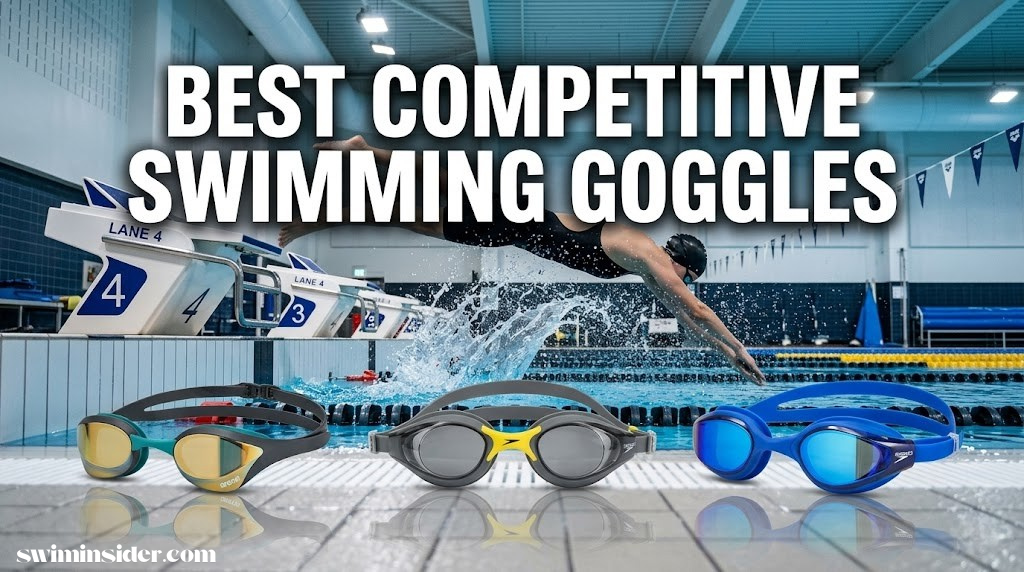
Best Competitive Swimming Goggles: Expert Reviews for Serious Swimmers
Discover professional-grade goggles engineered for lap swimming, training, and competitive racing. Expert reviews of the brands elite swimmers trust.
Quick Answer
Best Overall: Speedo Fastskin Elite combines optical clarity with durability through intense training. Best for Racing: Arena Cobra Pro delivers hydrodynamic efficiency and secure sealing. Best Value: TYR Socket Rockets offer reliable performance at mid-range pricing. Best for Comfort: Michael Phelps Xceed prioritizes extended-wear comfort. All excel in competitive swimming scenarios.

Introduction: Performance Demands Excellence
Competitive swimming demands eyewear engineered specifically for performance. Whether you’re logging 5,000+ meters in a single training session, competing in a sanctioned meet, or pushing toward qualifying times, your goggles must deliver optical clarity, comfort durability, and reliability through chlorine exposure. This is where casual swimming goggles fall short and professional-grade equipment becomes essential.
Elite swimmers don’t compromise on goggle selection because vision directly impacts performance. Poor visibility makes it difficult to maintain proper form and pace. Uncomfortable seals create distractions during critical worksets. Inadequate anti-fog protection ruins training efficiency when you can’t see your pace clock. The right competitive goggles keep your focus entirely on performance, not on managing your eyewear.
This guide reviews seven of the most trusted brands among competitive swimmers, exploring their specific strengths and ideal use cases. Whether you’re a masters swimmer, age-group competitor, or fitness-focused trainer, you’ll find the perfect pair optimized for your needs and budget.
What Competitive Swimmers Need: Beyond Recreational Goggles
Competitive swimming places demands on eyewear that recreational or casual training simply doesn’t. Understanding these needs helps you evaluate any goggle model for serious swimming performance.
Optical Clarity for Split Timing
Clear Pace Clock Vision
Competitive swimmers live by their pace clocks. You need to see the clock clearly from 25 meters away while maintaining stroke tempo and turnover. Optical distortion or poor lens clarity directly impacts your ability to hit target intervals during hard training. Quality competitive goggles minimize distortion and maintain crisp underwater visibility for extended training periods.
Durability Through Intensive Training
Chlorine Resistance and Material Longevity
Competitive swimmers train 5-15+ hours per week, exposing goggles to constant chlorine and UV exposure. This accelerates degradation of lesser materials. Premium competitive goggles use reinforced silicone gaskets and corrosion-resistant materials that maintain their performance after 100+ training sessions. Budget goggles often fail within 20 intense sessions.
Anti-Fog Performance Under Sustained Effort
Maintaining Clarity Through Worksets
Extended training sessions at race pace generate internal moisture and temperature changes inside your goggles. Your anti-fog coating must remain effective through 90+ minute sessions with minimal degradation. Professional-grade anti-fog goggles maintain clarity through entire training blocks, while cheaper models fog within 15-20 minutes.
Comfort for Extended Wear
Pressure Distribution Across Long Sessions
Wearing goggles for 90+ minutes creates pressure points that cause eye fatigue and discomfort. Competitive goggles distribute pressure evenly across your eye sockets, preventing the red marks and soreness that plague lesser models. Quality gasket systems conform to your face shape while maintaining seal integrity.
Strap Security and Adjustability
Reliable Positioning Throughout Training
Goggles that shift or slide during freestyle require constant mid-set readjustment, breaking concentration and interrupting your training focus. Competitive models feature secure straps that maintain position through vigorous turning and fast-paced swimming. Easy adjustability lets you dial in the perfect fit before intense sessions.
Lens Options for Different Pool Environments
Optimizing for Indoor and Outdoor Pools
Indoor pools under fluorescent lighting require different lens tinting than outdoor pools under bright sunlight. Competitive swimmers typically own multiple goggle pairs optimized for different training environments. Many models offer lens options that let you customize for your primary training location.
Hydrodynamic Efficiency
Minimizing Drag During Training
Sleek frame designs reduce water resistance, allowing you to swim at target pace with less effort. This matters during high-intensity training when every physiological system is already taxed. Professional goggles prioritize streamlined design without compromising structural integrity or gasket function.
Seven Best Competitive Swimming Goggles Reviewed
1. Speedo Fastskin Elite
Speedo Fastskin Elite represents the benchmark for competitive pool swimming. This model combines optical excellence, exceptional durability, and comfort that enables serious training without compromise. Elite swimmers and serious age-group competitors consistently choose Fastskin for reliability and performance.
Why Competitive Swimmers Choose Fastskin Elite
The Fastskin Elite delivers exceptional optical clarity that never wavers through 90+ minute training sessions. The lens coating resists fogging effectively, and the rigid gasket creates a secure seal that won’t shift during fast-paced sets. The hydrodynamic frame minimizes drag, allowing you to hit target paces more efficiently. Materials resist chlorine degradation, extending goggle lifespan through intensive training. This is the goggle chosen by swimmers targeting qualifying times and competitive excellence.
Training Advantage
The superior optical clarity lets you see your pace clock clearly from any position, enabling precise interval training. The secure seal and anti-fog performance mean you can focus entirely on your workout, not on managing your eyewear.
Pros
- Exceptional clarity
- Superior anti-fog
- Rigid, secure seal
- Excellent durability
- Hydrodynamic design
- Professional quality
Cons
- High price point
- Stiffer initial fit
- Pressure point risk
- Not for all face shapes
- Limited comfort padding
Speedo Fastskin Elite
The competitive swimmer’s standard. Exceptional clarity, superior anti-fog, and durability through intensive training from the world’s premier swim goggle manufacturer.
Check on Amazon2. Arena Cobra Pro

Arena Cobra Pro combines professional racing heritage with competitive training excellence. This model delivers the hydrodynamic efficiency and secure sealing that elite swimmers demand, with anti-fog technology proven through intense training blocks.
The Arena Advantage for Competitive Training
Arena’s Cobra Pro excels in both training and racing environments. The hydrodynamic design reduces drag, crucial during high-intensity sessions where efficiency matters. The rigid gasket creates an absolutely secure seal that won’t shift during flip turns or fast swimming. Superior anti-fog coating remains effective through extended training. This model is particularly valued by swimmers who compete while maintaining serious training schedules. See our Arena vs. Speedo comparison for detailed performance analysis.
Training Advantage
The hydrodynamic design allows you to hit target pace with less effort, preserving energy for the final sets when it matters most. The secure seal means zero mid-set adjustments during your critical workout.
Pros
- Hydrodynamic design
- Excellent clarity
- Secure seal
- Great durability
- Anti-fog quality
- Racing heritage
Cons
- Premium pricing
- Stiffer fit
- Pressure points possible
- Limited comfort options
Arena Cobra Pro
Professional-grade racing design optimized for competitive training. Hydrodynamic efficiency and secure sealing for swimmers who demand the best.
View on Amazon3. Michael Phelps Xceed Aqua Sphere

Bearing Michael Phelps’ name carries weight in competitive swimming. The Xceed model delivers quality optical performance with emphasis on comfort for extended training sessions. This is the choice for swimmers who prioritize fit and durability alongside performance.
Comfort Meets Performance
The Phelps Xceed bridges the gap between racing goggles and recreational models. The flexible gasket accommodates various face shapes, reducing the pressure point issues that plague rigid-gasket models during extended sessions. Optical clarity remains strong, and the anti-fog coating survives 60+ minute training sessions. Multiple lens options let you optimize for your primary training environment. This is the goggle of choice for swimmers who train 8-10 hours weekly and need comfort without sacrificing performance.
Training Advantage
The flexible gasket comfort means you can wear these for your entire training block without the eye fatigue that rigid models sometimes cause. Perfect for swimmers doing double-training-session days.
Pros
- Excellent comfort
- Good optical clarity
- Flexible gasket
- Multiple lens options
- Reliable durability
- Good value
Cons
- Less hydrodynamic
- May shift in fast swimming
- Anti-fog not elite-tier
- Limited racing edge
Michael Phelps Xceed
Comfort meets competitive performance. The flexible gasket and multiple lens options make these ideal for swimmers training 8+ hours weekly.
Check Price4. Speedo Vanquisher 2.0

The Speedo Vanquisher 2.0 delivers professional-quality performance at prices more accessible than elite models. This goggle combines solid optical clarity, reliable anti-fog, and durability that serve competitive swimmers across training intensities. It’s particularly popular among age-group competitors and serious recreational swimmers.
Proven Competitive Reliability
The Vanquisher 2.0 has earned its place in competitive swimming through years of consistent performance. It’s not cutting-edge, but it’s dependable. Optical clarity is very good for the price point. Anti-fog protection survives 60+ minute training sessions. The gasket provides a secure seal that resists shifting during fast swimming. Chlorine resistance is solid, extending goggle lifespan through intensive training. This is the workhorse goggle for swimmers who value reliability and value. See our detailed Speedo Vanquisher review for complete analysis.
Training Advantage
The Vanquisher’s proven reliability means you can focus on training, not on managing your eyewear. Many swimmers own multiple pairs for different pool environments without excessive cost.
Pros
- Excellent value
- Proven reliability
- Good optical clarity
- Decent anti-fog
- Durable gasket
- Comfortable fit
Cons
- Not cutting-edge
- Less hydrodynamic
- Anti-fog not premium
- May shift slightly
Speedo Vanquisher 2.0
Proven competitive reliability at accessible prices. The workhorse goggle for swimmers who want solid performance without premium pricing.
View on Amazon5. Tracer X Elite Racing
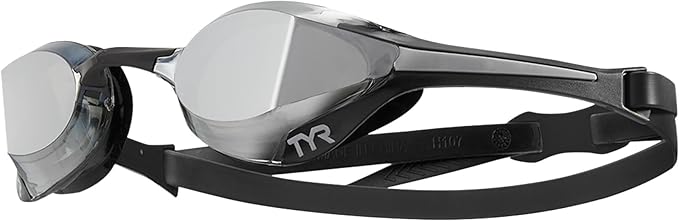
The Tracer X Elite brings minimalist, lightweight racing design to competitive training. This model prioritizes visibility and comfort while maintaining the performance standards serious swimmers demand. It’s gaining popularity among swimmers seeking alternatives to mainstream brands.
Minimalist Excellence
The Tracer X Elite excels through focused design simplicity. The lightweight frame reduces pressure on your face during extended wear, making these comfortable for 90+ minute sessions. Optical clarity is strong, and mirrored lens options reduce glare in pool environments. The gasket system balances sealing security with comfort. This is an excellent choice for swimmers who’ve had issues with heavier goggles causing discomfort but still need serious performance.
Training Advantage
The lightweight construction means your eyes experience less fatigue during extended training blocks. This becomes particularly valuable during high-volume training weeks.
Pros
- Lightweight design
- Excellent comfort
- Good clarity
- Mirrored options
- Racing quality
- Reliable durability
Cons
- Less mainstream
- Fewer lens options
- Anti-fog adequate
- Smaller brand support
Tracer X Elite Racing
Lightweight racing design meets comfortable training functionality. Perfect for swimmers seeking alternatives without sacrificing performance.
Check on Amazon6. TYR Socket Rockets Racing
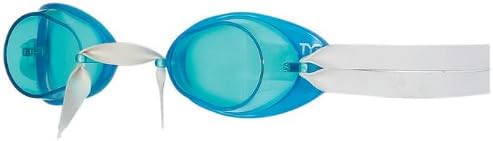
TYR’s Socket Rockets deliver excellent performance at truly accessible pricing. This model proves that competitive swimmers don’t need to spend premium dollars for solid goggle performance. The Socket Rockets excel in durability and comfort for serious training.
Competitive Performance on Budget
Socket Rockets prove you don’t need to spend $100+ on competitive goggles to get solid performance. Optical clarity is good, anti-fog coating survives serious training sessions, and the gasket system creates a reliable seal. The flexible frame accommodates various face shapes. Durability through chlorine exposure is respectable. For swimmers on limited budgets or those wanting backup pairs for different pool conditions, Socket Rockets deliver outstanding value. They’re particularly popular with age-group team swimmers and fitness-focused trainers.
Training Advantage
At this price point, you can afford multiple pairs for different training environments without guilt. Many swimmers own two pairs optimized for their primary pools.
Pros
- Excellent value
- Solid performance
- Good durability
- Comfortable fit
- Decent anti-fog
- Flexible frame
Cons
- Not premium tier
- Basic features
- May need replacement
- Limited options
TYR Socket Rockets Racing
Competitive performance at budget prices. Perfect for training swimmers who want solid goggles without premium investment.
View on Amazon7. Mizuno Sonic Racing

Mizuno brings Japanese engineering precision to competitive swimming. The Sonic model combines quality optical performance with comfortable durability. While less mainstream in Western markets, Mizuno serves serious competitive swimmers with reliable equipment.
Japanese Engineering Quality
Mizuno’s reputation for precision manufacturing carries through to their swimming goggles. The Sonic model delivers solid optical clarity, reliable anti-fog performance, and durable construction. The frame balances performance with comfort. This is particularly valued by swimmers who’ve tried mainstream brands and want to explore quality alternatives. Mizuno isn’t as widely available as major brands, but serious swimmers often prefer the quality when they find them.
Training Advantage
The precision manufacturing means consistent quality between pairs. If you find a Mizuno model you like, you can confidently buy backup pairs without worrying about variations in production.
Pros
- Quality engineering
- Good optical clarity
- Reliable durability
- Comfortable fit
- Solid performance
- Good value
Cons
- Less mainstream
- Limited availability
- Fewer options
- Smaller support base
Mizuno Sonic Racing
Japanese precision engineering meets competitive swimming. Reliable quality for swimmers seeking alternatives beyond mainstream brands.
Explore on AmazonCompetitive Goggle Comparison Table
Use this table to quickly compare performance across all seven models:
| Model | Price | Clarity | Anti-Fog | Durability | Comfort | Best For |
|---|---|---|---|---|---|---|
| Speedo Fastskin | Premium | Exceptional | Superior | Excellent | Very Good | Elite training |
| Arena Cobra Pro | Premium | Excellent | Superior | Excellent | Good | Training/racing |
| Phelps Xceed | Mid-range | Very Good | Good | Very Good | Excellent | Extended sessions |
| Speedo Vanquisher | Mid-range | Very Good | Good | Good | Very Good | Training athletes |
| Tracer X Elite | Mid-premium | Very Good | Very Good | Very Good | Excellent | Comfort-focused |
| TYR Socket Rockets | Budget | Good | Good | Good | Good | Budget swimmers |
| Mizuno Sonic | Mid-range | Very Good | Good | Very Good | Very Good | Alternative option |
Key Competitive Goggle Features Explained
Understanding these features helps evaluate any competitive goggle model.
Optical Clarity for Pace Clock Visibility
Lens Quality and Distortion
Competitive swimmers rely on pace clock visibility from 25 meters away. Quality lenses minimize distortion and chromatic aberration (color separation). Premium goggles use advanced lens coatings that maintain clarity even at oblique viewing angles. Budget models often distort at the lens edges, making the clock difficult to read clearly.
Anti-Fog Coatings and Durability
Surviving Extended Training
Professional anti-fog coatings resist degradation through intensive training. They work by reducing surface tension of condensing water, preventing foggy buildup. Quality coatings maintain effectiveness through 50-100 training sessions. Budget coatings often degrade after 20-30 sessions. Never touch the inside of goggle lenses—this destroys the coating. See our goggle cleaning guide for proper maintenance.
Gasket Materials and Sealing
Silicone Quality and Resilience
Premium silicone gaskets resist chlorine degradation better than budget materials. They maintain sealing effectiveness and comfort through 200+ training sessions. Budget gaskets degrade faster, becoming sticky or rigid after 50-100 sessions. Quality gaskets are the most durable component of competitive goggles.
Frame Materials and Durability
Polycarbonate and Reinforced Designs
Competitive goggle frames use reinforced polycarbonate that resists impact and chlorine damage. Better materials and construction extend frame lifespan significantly. Budget frames often crack or warp after 50 training sessions. Premium frames often last 200+ sessions when properly cared for.
Strap Design and Adjustability
Secure Positioning During Training
Quality straps use textured silicone that maintains grip without digging into your head. They should adjust smoothly and stay positioned once set. Budget straps often slip or stretch, requiring constant adjustment during training. Premium straps remain secure through vigorous flip turns and fast swimming.
Lens Options for Different Pools
Clear vs. Tinted for Training Environments
Clear lenses work best under fluorescent pool lighting (most indoor facilities). Smoke or tinted lenses reduce glare under bright outdoor pool lights. Serious competitive swimmers often own both options and select based on their primary training location. Goggle variety lets you optimize for every training situation.
Training Tips: Maximizing Your Competitive Goggle Investment
Getting the most from your competitive goggles requires proper use and maintenance.
Breaking In Your Goggles
Initial Sessions and Adjustment Period
Don’t use new goggles for a critical training session. Break them in during easier training first. New gaskets and straps need time to conform to your face. Spend 3-5 training sessions allowing your eyes to adjust to the fit. Only then use them for serious workouts. This break-in period prevents mid-set adjustments during important sets.
Proper Strap Adjustment
Finding Your Perfect Fit
Adjust straps to snug but not painful. You should be able to slide one finger under the strap at the back of your head. Too tight causes eye fatigue; too loose causes leaks and shifting. Adjust before getting in the pool, then confirm the fit during warm-up. Many swimmers readjust after their warm-down as straps stretch slightly during training.
Maintenance Between Sessions
Rinsing and Storage
Rinse goggles with fresh water immediately after every session—especially critical after chlorinated pools. Store in protective cases away from direct sunlight. Never leave goggles in hot cars or bags; heat degrades silicone. Proper maintenance extends goggle lifespan by months. For complete guidance, see our comprehensive cleaning guide.
Preventing Fogging During Workouts
Anti-Fog Activation and Preservation
Rinse new goggles with cool water 15 minutes before training—this activates anti-fog coatings. Some swimmers add saliva as a temporary anti-fog layer for additional protection. Never wipe the inside of lenses; you’ll damage the coating permanently. For detailed strategies, see our anti-fogging guide.
Strap Preservation
Extending Strap Life
Straps degrade faster than other goggle components. Store goggles with straps in a relaxed position, not stretched. Avoid exposing straps to direct sunlight for extended periods. If straps start slipping, you can often find replacements rather than buying new goggles entirely. Many competitive goggles have compatible strap parts available separately.
Buying Guide: Choosing Your Competitive Goggles
The right competitive goggle depends on your training profile and budget.
Assess Your Training Volume
Swimmers training 15+ hours weekly should invest in premium goggles that survive intensive use. Swimmers training 5-10 hours weekly get excellent value from mid-range options. Budget goggles work for swimmers training fewer than 5 hours weekly or those primarily doing open water. Higher training volume justifies higher-quality investment.
Evaluate Your Face Shape
Rigid-gasket models suit swimmers with standard face shapes. Flexible-gasket models work for unusual facial structures. If previous goggles leaked or caused discomfort, try the opposite gasket type. When possible, test fit models before purchasing. Online retailers with good return policies let you try multiple options risk-free.
Consider Your Training Environment
Indoor pool training under fluorescent lights benefits from clear lenses. Outdoor pool training under bright sunlight benefits from smoke or tinted lenses. If you train in both environments, buy two pairs optimized for each. The cost of a second pair (often $40-80 budget models) is worthwhile for optimal performance.
Budget Allocation
Budget goggles ($30-60) serve occasional swimmers adequately. Mid-range models ($60-120) provide excellent value for serious competitors. Premium models ($120-200+) prioritize cutting-edge performance or specialized features. Most competitive swimmers spend $80-150 on their primary goggles and $40-60 on backup pairs.
Test Before Committing
Try to test goggles in water before committing. Many swim shops have demo pairs. If buying online, choose retailers with easy returns. Testing multiple models identifies your preferences, preventing expensive mistakes. What works for your teammate might leak on your face.
Backup Pair Strategy
Serious competitive swimmers maintain at least two pairs optimized for different purposes: one for serious training, one for backup. Budget models often make excellent backups. Having backups ensures you’re never without goggles if your primary pair fails.
Replacement Schedules
Quality competitive goggles last 50-100 training sessions (6-12 months of serious training). When you notice fogging persisting despite proper cleaning or seal degradation, it’s replacement time. Don’t wait until mid-season to discover your goggles fail—replace them proactively.
Frequently Asked Questions
Competitive swimmers’ most common goggle questions answered:
Quality competitive goggles last 50-100 training sessions. If you train 5 times weekly, that’s about 10-20 weeks (3-5 months). More intensive training (10+ times weekly) means replacement every 5-10 weeks. Replace when persistent fogging occurs despite proper cleaning or when seal degradation causes leaks.
Racing goggles prioritize hydrodynamic efficiency and secure sealing for competitive performance. Training goggles prioritize comfort and durability for extended use. Many models work well for both purposes. Serious competitors often use racing goggles only for meets and qualifying times, reserving them for race-day use to extend their lifespan.
Not necessarily. The Speedo Vanquisher and TYR Socket Rockets deliver solid competitive performance at mid-range prices. Premium goggles offer marginal performance gains that matter most for elite racers. Most competitive swimmers find excellent value in mid-range models ($60-120). If budget allows, spend the difference on multiple pairs for different conditions rather than one premium pair.
Fogging occurs when the anti-fog coating becomes damaged or saturated. Never wipe the inside of your lenses. Rinse with cool water before use to activate the coating. Some swimmers add saliva as an additional layer. If fogging persists despite proper care, the goggle likely needs replacement. See our anti-fogging guide for detailed solutions.
Yes, many models work for both. However, pool goggles are optimized for lap swimming under fluorescent lighting. Open water goggles prioritize durability and visibility in variable conditions. If you train in both environments frequently, maintaining separate pairs optimized for each is ideal.
The Michael Phelps Xceed and Tracer X Elite excel for this due to their comfort characteristics. During double sessions, you’re wearing goggles for 2-3 hours total. Comfort becomes as important as performance. Rigid-gasket models can cause eye fatigue during extended double-session days, while flexible gaskets remain comfortable through both workouts.
Rinse with fresh water immediately after every session. Store in protective cases away from direct sunlight and heat. Never wipe the inside of lenses. Allow anti-fog coating to dry completely before storing. Avoid leaving goggles in hot cars or gym bags. Proper maintenance extends goggles’ effective lifespan by 30-50%.
Youth swimmers grow and face shapes change. Premium goggles aren’t ideal for rapidly growing athletes. Budget or mid-range models work well, allowing you to replace them as they grow. Save premium investments for swimmers with stable adult face structures.
Most Olympic swimmers use the same professional brands reviewed here: Speedo, Arena, and occasionally others. They typically use models similar to Fastskin Elite or Cobra Pro, though some have custom-fitted equipment. You don’t need Olympic-level sponsors to use the same goggle models—the products are available to all serious swimmers.
Yes, prescription swimming goggles are available from major brands. Options are more limited than non-prescription models, and they cost more. Many competitive swimmers with vision correction prefer prescription goggles over contact lenses as they stay secure and don’t wash out during intense training.
Conclusion: Your Competitive Swimming Success Starts with Proper Eyewear
The seven models reviewed here represent the best options available to serious competitive swimmers. Each excels in different areas: Speedo Fastskin Elite for optical excellence, Arena Cobra Pro for racing performance, Michael Phelps Xceed for extended-session comfort, Speedo Vanquisher for proven reliability, Tracer X Elite for lightweight comfort, TYR Socket Rockets for budget value, and Mizuno Sonic for quality alternatives.
Your goggle selection directly impacts your training effectiveness and race performance. Poor vision during interval training prevents accurate pace management. Uncomfortable seals create distracting leaks. Inadequate anti-fog protection forces frequent goggle adjustments. The right competitive goggles keep your focus entirely on swimming excellence.
Invest in quality goggles matched to your training volume. Serious competitive swimmers training 10+ hours weekly should invest in premium models. Recreational swimmers and lower-volume competitors find excellent value in mid-range options. Budget models work for beginners but often fail within months of serious training.
Maintain your goggles properly. Rinse with fresh water after every session, store in protective cases, never damage the anti-fog coating, and replace when performance degrades. Proper maintenance extends goggle lifespan by months and preserves your investment.
Keep backup pairs available. Even the most reliable goggles occasionally fail. Budget models make excellent backups. Having a second pair ensures you’re never without goggles if your primary pair fails during training or competition.
Your path to competitive swimming excellence includes proper eyewear. Find the goggle that matches your needs, train thoroughly in them, and experience the confidence that comes from crystal-clear vision and complete comfort. The right goggles transform your training from frustrating equipment management to pure performance focus.
Next Steps
Ready to upgrade your competitive goggle game? Start with our broader swimming goggles buying guide, explore open water options if needed, and check maintenance guides like preventing goggle fogging and proper goggle cleaning. For specialized needs, explore leak-free goggles and comfortable options.