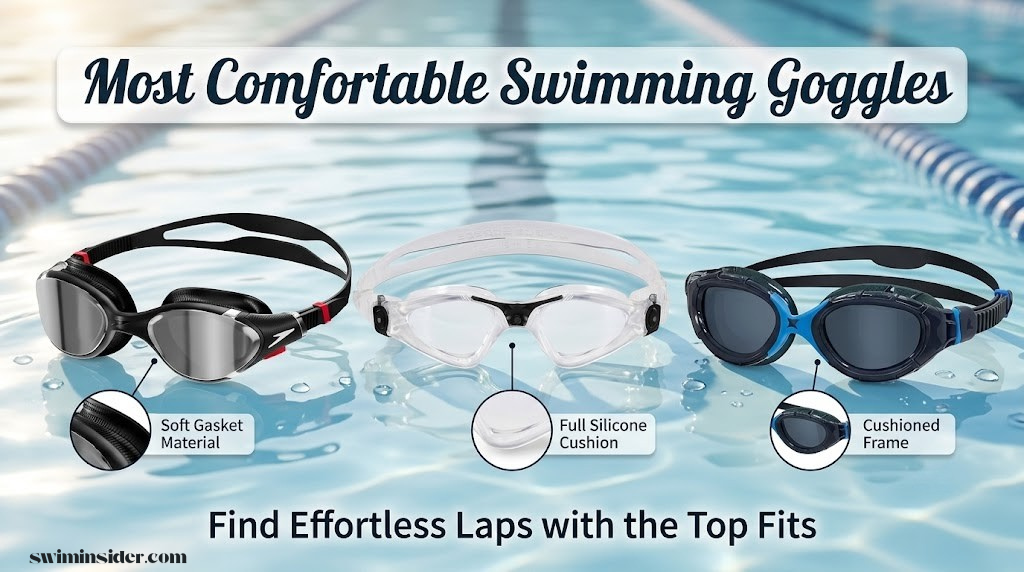
Most Comfortable Swimming Goggles: Pain-Free Extended Wear Guide
Comfort transforms your swimming experience. Ill-fitting goggles create pressure marks, cause headaches, restrict vision, and ultimately discourage you from training. The most comfortable swimming goggles deliver hours of pain-free wear while maintaining excellent visibility and watertight seals. This guide reviews the most comfortable options available and teaches you how to prioritize comfort without sacrificing performance.
Why Comfort Matters More Than You Think
Swimming is challenging enough without struggling against uncomfortable equipment. Many swimmers tolerate poorly fitting goggles for years, assuming discomfort is inevitable. It isn’t. The right pair delivers such comfortable wear that you forget you’re wearing them.
Comfort directly impacts performance. Swimmers in uncomfortable goggles break stroke rhythm to adjust their gear, develop tension in their neck and shoulders from trying to compensate for poor fit, and end sessions with headaches or pressure marks on their face. These aren’t minor inconveniences—they actively degrade training quality.
The most comfortable swimming goggles share specific characteristics: ultra-soft silicone around the eye cups that molds to your face shape rather than forcing your face to conform to the goggle, pressure-distributing designs that spread force across a wider area rather than concentrating it on pressure points, lightweight frames that don’t feel heavy on your face, and strap designs that don’t pull hair or create discomfort.
If you’ve experienced sore marks, headaches, or discomfort with previous goggles, don’t assume this is normal. You likely haven’t found the right pair yet. This guide identifies the most comfortable options and explains the design principles that create genuinely comfortable goggle experiences.
Discover Comfortable Goggles
Find the perfect fit for hours of pain-free swimming
What Makes Swimming Goggles Comfortable
Comfort isn’t subjective—it’s rooted in design principles that successful goggle manufacturers have perfected. Understanding these principles helps you evaluate new options and recognize truly comfortable designs.
Silicone Softness: The material touching your face determines initial comfort. Soft, flexible silicone provides immediate comfort compared to rigid plastic. Premium silicones maintain flexibility even after months of use, while budget silicones become stiff and uncomfortable over time. The softest goggles use medical-grade silicone compounds specifically engineered for skin contact.
Pressure Distribution: Poorly designed goggles concentrate pressure on specific points—your cheekbones, nose bridge, or the area around your temples. This creates soreness and pressure marks. Comfortable designs distribute pressure evenly across a wider area, similar to how a well-designed backpack distributes weight across your entire back rather than concentrating it on your shoulders.
Seal Design: The eye cup geometry matters tremendously. Goggles that seal your eye sockets with gentle contact are more comfortable than those requiring excessive pressure to prevent leaks. Well-engineered cups match common face geometries, making the seal effortless rather than forced.
Lightweight Frame: Every ounce matters when wearing goggles for extended periods. Lighter frames feel less fatiguing over time. Minimalist designs often excel in comfort because there’s less material creating weight and pressure.
Strap Design: The strap system should distribute back-of-head pressure across a wide area without pulling hair. Double-strap designs usually feel more comfortable than single-strap models because they balance the load. Wide straps are better than thin ones, which can dig in during extended wear.
Nose Bridge Adjustability: Different face structures have different bridge widths and heights. Goggles with multiple nose bridge options or flexible bridge positioning accommodate more face shapes, resulting in more people experiencing comfortable fit.
Comfort Comparison: Top Options
This table compares comfort-focused features across the top options reviewed in this guide. Use it to narrow down choices based on your specific comfort priorities.
| Model | Silicone Quality | Pressure Distribution | Weight | Best For | Comfort Score |
|---|---|---|---|---|---|
| Speedo Biofuse | Excellent | Outstanding | Very Light | All-day comfort | 9.5/10 |
| Aqua Sphere Kayenne | Premium | Excellent | Light | Wide field of view | 9.2/10 |
| Zoggs Predator Flex | Very Good | Very Good | Light | Flexible fit | 8.8/10 |
| TYR Socket Rocket | Very Good | Very Good | Very Light | Minimalist preference | 8.6/10 |
| Finis Ripple | Excellent | Very Good | Light | Streamlined comfort | 8.7/10 |
| Swedish Goggles | N/A (Cup-based) | Outstanding | Ultra-light | Minimal equipment | 8.4/10 |
Comfort scores reflect extended wear (60+ minutes) without discomfort, pressure marks, or adjustment needs. Individual experiences vary based on unique face shapes.
Speedo Biofuse: Ultimate Comfort Champion

Speedo Biofuse Goggles
Speedo’s Biofuse technology revolutionized goggle comfort. These goggles consistently top comfort surveys because the soft-flex silicone eye cups are so pliable that they conform to your face shape rather than forcing your face to conform to the goggles. Swimmers universally report that Biofuse goggles feel like barely being there.
✓ Comfort Strengths
- Ultra-soft silicone feels incredibly gentle on skin
- Wide bridge design accommodates different face structures
- Lightweight—virtually unnoticeable after minutes of wear
- Zero pressure marks even after 90+ minute sessions
- Wide field of view reduces eye strain
- Flexible frame absorbs impact without transferring pressure
- Excellent for swimmers prone to goggle sensitivity
✗ Trade-offs
- Anti-fog coating degrades after 2–3 months
- Silicone requires careful handling to prevent damage
- Not the most secure fit during high-speed flip turns
The Biofuse’s secret lies in its patented soft-flex technology. Instead of a rigid frame with minimal padding, the entire eye cup area uses soft material. This creates a seal that’s simultaneously watertight and comfortable—something most goggle designs struggle to achieve.
Swimmers with sensitive skin, previous goggle-induced headaches, or difficulty finding comfortable fit often discover that Biofuse goggles solve their problems entirely. The comfort advantage is so pronounced that many swimmers accept the anti-fog coating trade-off as worthwhile.
For beginners or those just starting lap swimming, these goggles help you build goggle tolerance without discomfort. Recreational swimmers find them perfect for general training where comfort matters more than extreme performance features.
Speedo Biofuse — Comfort Gold Standard
Soft-flex technology for pain-free extended swimming sessions
Aqua Sphere Kayenne: Premium Comfort with Superior Vision

Aqua Sphere Kayenne Goggles
Aqua Sphere engineered the Kayenne to deliver premium comfort with an exceptional wide field of view. These goggles are beloved by swimmers who want comfort without compromising on vision quality or performance capabilities. The result is an expensive but genuinely outstanding option.
✓ Comfort Strengths
- Premium silicone rivals Biofuse for softness and feel
- Exceptional 180-degree peripheral vision reduces tunnel vision
- Larger eye cup area distributes pressure across wider surface
- Extremely lightweight despite larger frame
- Comfortable for extended sessions with zero pressure points
- Wide bridge fits broad and average face structures equally well
- Available in multiple lens options for different light conditions
✗ Trade-offs
- Premium pricing (typically $60+)
- Larger frame might feel excessive for minimalist swimmers
- Wider eye cups may not fit very small faces ideally
The Kayenne distinguishes itself through optical design. Most goggles limit peripheral vision to a 130–150 degree range. Aqua Sphere’s curved lens geometry expands this to nearly 180 degrees. This dramatically reduces the tunnel-vision feeling and the constant head repositioning that comes with narrow-vision goggles.
For swimmers who spend extended time underwater sighting or those who prefer understanding their full visual environment, the Kayenne’s vision advantage combines with exceptional comfort to create an outstanding package. The larger frame size means more material, but the material is so light and the pressure distribution so excellent that this never translates to discomfort.
If you’re training for triathlon or open water swimming, the Kayenne’s vision advantage becomes especially valuable for navigation and environmental awareness.
Aqua Sphere Kayenne — Premium Vision + Comfort
180-degree vision with premium soft silicone for all-day wear
Zoggs Predator Flex: Flexible Comfort for All Face Shapes

Zoggs Predator Flex Goggles
Zoggs designed the Predator Flex specifically to accommodate the widest range of face shapes. The frame features flexible temples and a malleable bridge, allowing the entire goggle to adapt to your face’s unique geometry. This makes them exceptional for swimmers who’ve struggled to find comfortable fit with standard designs.
✓ Comfort Strengths
- Flexible frame adapts to individual face shapes
- No uncomfortable pressure points regardless of face geometry
- Adjustable nose bridge accommodates wide range of bridge widths
- Very good anti-fog performance for extended sessions
- Excellent durability despite flexible materials
- Multiple lens options including polarized for outdoor
✗ Trade-offs
- Slightly less responsive than rigid frame goggles during flip turns
- Flexible frame requires learning optimal adjustment
- Not quite as premium-feeling as Biofuse or Kayenne
The flexibility advantage becomes obvious once you try them. Most goggle frames are rigid—they seal your eye sockets but only if your face matches the frame geometry. The Predator Flex flexes to meet your face halfway, creating a seal without requiring your face to adopt an uncomfortable position.
This design philosophy makes them excellent for swimmers with wide faces, high cheekbones, or other face shapes that don’t match standard goggle geometries. Rather than forcing poor fit, the frame accommodates you.
The anti-fog coating is solid, making these goggles suitable for lap swimming and training sessions. For swimmers prioritizing fit adaptation and comfort over extreme performance, these deliver excellent value.
Zoggs Predator Flex — Adaptive Comfort
Flexible frame technology for perfect fit on any face shape
TYR Socket Rocket: Minimalist Comfort for Lightweight Feel
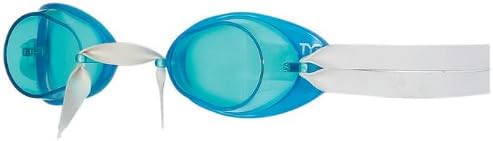
TYR Socket Rocket Goggles
The Socket Rocket embodies the principle that less can be more. These minimalist goggles reduce material to the absolute essentials, creating the lightest comfortable goggle option available. Swimmers who despise feeling encumbered by their equipment consistently choose these.
✓ Comfort Strengths
- Feather-light—barely perceptible on your face
- Minimalist design creates zero unnecessary pressure
- Minimalist strap design doesn’t pull hair
- Good anti-fog coating for the price point
- Excellent for swimmers who dislike “goggle feel”
- Affordable entry point for quality design
✗ Trade-offs
- Field of view is narrower than premium options
- Minimalist silicone isn’t quite as soft as Biofuse
- Not suitable for very large faces
- Might feel loose on small faces without strap adjustment
Some swimmers find traditional goggles too heavy or too much “presence” on their face. The Socket Rocket solves this by stripping away everything non-essential. The frame uses minimal material, the silicone is thin and flexible, and the strap is streamlined. The result feels almost like wearing nothing while still maintaining an effective seal.
This minimalist philosophy creates a particular comfort experience: you don’t feel goggles on your face because there’s almost nothing there to feel. For swimmers who find traditional goggles claustrophobic or overly present, this is genuinely liberating.
These work well for competitive swimmers who want minimal drag and distraction. The comfort level drops slightly compared to Biofuse or Kayenne because there’s less material to distribute pressure, but the ultralight feel more than compensates for many swimmers.
TYR Socket Rocket — Ultra-Light Comfort
Minimalist design for swimmers who hate goggle feel
Finis Ripple: Streamlined Comfort with Premium Materials

Finis Ripple Goggles
Finis created the Ripple to deliver premium comfort through smart materials and streamlined design. These goggles use high-quality silicone in a form-fitting design that seals comfortably without excessive pressure. They’re excellent for swimmers seeking comfort without the premium price tags of Biofuse or Kayenne.
✓ Comfort Strengths
- Premium silicone rivals expensive alternatives
- Streamlined design keeps weight minimal
- Excellent pressure distribution across eye area
- Good anti-fog performance for extended wear
- Comfortable for 60+ minute training sessions
- Mid-range pricing vs. premium competitors
✗ Trade-offs
- Not quite the extreme comfort of Biofuse
- Slightly narrower field of view than Kayenne
- Fewer lens color options than some competitors
The Ripple represents a smart balance between premium comfort and reasonable pricing. You get excellent materials and thoughtful design without paying extreme prices. Many swimmers find these are the ideal comfort choice when budget matters.
The streamlined design doesn’t sacrifice comfort despite reducing material. The silicone is specifically engineered to remain soft through extended use, and the fit is optimized to accommodate average face shapes without requiring multiple size options.
For swimmers prioritizing anti-fog performance combined with comfort, these deliver solid value. The coating maintains effectiveness longer than budget alternatives while the comfort remains competitive with premium options.
Finis Ripple — Comfort Value
Premium materials at mid-range pricing for comfortable training
Swedish Goggles: The Minimalist’s Ultimate Comfort Choice

Swedish Goggles
Swedish goggles represent the ultimate minimalist approach. Instead of enclosed eye cups, they use simple rubber cups that fit directly to your eye sockets with only minimal framing. This design dates back decades but remains beloved by swimmers seeking ultra-light, ultra-simple comfort.
✓ Comfort Strengths
- Absolutely minimal material—lightest option available
- No enclosed frame creates zero claustrophobic feeling
- Simple rubber cups conform to your specific eye shape
- Almost invisible pressure—comfort is effortless
- Affordable option for classic design enthusiasts
- Ultra-durable—many pairs last years
✗ Trade-offs
- Minimal anti-fog coating—they fog easily
- No lens, so vision is distorted underwater
- Require careful adjustment to fit properly
- Less secure than enclosed cup designs during flip turns
Swedish goggles appeal to a specific swimmer type: those who value absolute simplicity and minimal presence. You get rubber cups, a simple strap, and that’s essentially the entire design. This radical minimalism creates comfort by eliminating everything that could possibly feel uncomfortable.
The comfort advantage is paradoxical—because there’s so little material, there’s almost nothing to create pressure or feel uncomfortable. Some swimmers find this liberating after years in enclosed-cup goggles. Others struggle without the lens and visibility that modern designs provide.
These work best for swimmers in pool environments where vision distortion isn’t critical, or for those doing simple flip-turn training where the basic security is sufficient. They’re not ideal for open water swimming or situations requiring excellent vision, but for pure comfort and simplicity, they excel.
Swedish Goggles — Classic Minimalism
Ultra-light rubber cups for swimmers seeking absolute simplicity and minimal presence
The Role of Silicone Quality in Long-Term Comfort
Not all silicone is created equal. Understanding silicone quality helps you distinguish between goggles that remain comfortable after months of use and those that deteriorate into uncomfortable stiffness.
Medical-grade silicone, used by leading goggle manufacturers, is engineered specifically for skin contact. It’s non-porous, hypoallergenic, and maintains flexibility across temperature ranges. Premium manufacturers invest in superior silicone compounds because this determines whether goggles feel soft for their entire lifespan.
Budget silicones begin soft but gradually become stiff. This stiffening occurs because lower-quality compounds don’t maintain molecular flexibility over time. After a few months of use, budget goggles feel progressively tighter and less comfortable. This is why premium goggles cost more—they maintain comfort throughout their lifespan.
When evaluating comfort, test fit immediately but understand that comfort degradation over time is a real factor. Goggles that feel soft and comfortable in the store might feel increasingly stiff after three months of regular use if the silicone is lower quality.
The most comfortable goggles (Speedo Biofuse, Aqua Sphere Kayenne) use premium silicone compounds that resist stiffening. This is a primary reason they command higher prices and generate strong brand loyalty among swimmers who’ve experienced their durability advantage.
Identifying and Avoiding Pressure Points
Some goggles create comfort for 30 minutes before specific pressure points become painful. Understanding where pressure typically develops helps you recognize uncomfortable designs before committing to purchase.
Cheekbone Pressure: The most common issue occurs when the lower edge of the eye cup presses directly onto your cheekbones. Good designs distribute pressure across a wider area. Poor designs concentrate it on a narrow line. Test for this by wearing goggles for five minutes—if you feel distinct pressure on specific cheekbone locations, the design isn’t right for your face.
Temple Pressure: Some goggles create discomfort at the temples where the frame meets your face. This typically indicates the frame width doesn’t match your face width. Goggles shouldn’t create distinct pressure anywhere on your face—the seal should feel like gentle contact across a wide area.
Nose Bridge Pressure: If the nose bridge feels tight or creates a pressure line on your bridge, the bridge positioning is wrong for your face. Adjustable nose bridges solve this; fixed bridges require finding a goggle brand with geometry matching your specific face.
Back-of-Head Pressure: The strap shouldn’t create a tight band feeling at the back of your head. Test this after 30 minutes of wear. If you feel distinct pressure from the strap, it’s likely too tight or designed in a way that concentrates rather than distributes pressure.
When testing new goggles, wear them for at least 30 minutes before deciding. Some discomfort takes time to manifest. You should be able to wear your goggles all day without any pressure awareness.
Strap Design: The Overlooked Comfort Factor
The strap system affects comfort far more than many swimmers realize. Poor strap design creates headaches, hair pulling, and neck tension even if the eye cup fit is perfect.
Double-Strap vs. Single-Strap: Double-strap designs distribute back-of-head pressure across a wider area than single-strap systems. This significantly improves comfort for extended wear. If you’ve experienced headaches from single-strap goggles, try double-strap alternatives—the difference is often dramatic.
Strap Width: Wider straps distribute pressure better than thin straps, which can dig in painfully. The strap should feel like gentle pressure across a wide band rather than concentrated pressure on a thin line.
Strap Material: Silicone straps are superior to elastic or cloth materials because they’re less likely to pull hair and don’t deteriorate as quickly. Some goggles use special non-slip silicone that grips your head without yanking hair.
Strap Adjustment: Some goggle straps pull hair regardless of material because of their geometry. Look for straps with smooth edges that won’t catch hair. Pull the strap gently with a few hairs between the strap and your head—smooth materials slide; harsh materials pull.
When trying new goggles, pay specific attention to strap feel. If you feel discomfort from the strap after even brief wear, the design isn’t ideal for your head shape. Different strap systems work better for different people.
How to Test Comfort Before Purchasing
Proper fit testing prevents purchasing goggles that feel terrible after you’ve brought them home. Use this framework when evaluating comfort in stores or before committing to online purchases.
Immediate Fit Test: Press goggles against your face without tightening the strap. They should create suction and hold briefly. If they fall off immediately, the fit isn’t suitable for your face. This test confirms basic geometry compatibility.
Strap Adjustment Test: Tighten the strap to what feels like the correct tension. You should be able to slide your pinky finger underneath the strap on your forehead. If it’s tighter, the design might create headaches. If it’s looser, goggles will shift during swimming.
Five-Minute Comfort Test: If possible, wear the goggles for five minutes. Note any pressure points, discomfort areas, or looseness. Comfort issues often become apparent within this timeframe.
Pressure Mark Test: After removing goggles, check your face for pressure marks. Light marks are normal and fade quickly. Deep marks indicate excessive pressure concentration and suggest the design isn’t ideal for your face.
Peripheral Vision Test: Look around without moving your head. Good designs provide substantial peripheral vision. Poor designs create tunnel vision that feels restrictive.
Extended Wear Consideration: If possible, purchase from retailers with generous return policies. Test comfort over actual swimming sessions. Some discomfort manifests only after 20+ minutes in water.
When shopping online, read reviews specifically mentioning comfort and long-term wearability. Customer comments about pressure marks, headaches, or discomfort after extended wear are more valuable for predicting your experience than general positive reviews.
Comfort FAQs: Your Questions Answered
These questions address the most common comfort concerns swimmers face. Get specific answers about achieving comfortable goggle experiences.
Pressure marks indicate your goggles are either too tight or concentrating pressure on specific points rather than distributing it evenly. Loosen the strap slightly and check if marks diminish. If they persist, the goggle frame geometry doesn’t match your face shape perfectly, and trying a different brand’s geometry might solve the problem. Some pressure marks are normal, but deep marks that last hours suggest fit issues.
Yes, poorly fitting goggles commonly cause headaches. This usually results from excessive strap tightness, poor strap design that concentrates pressure, or incompatible frame geometry. To prevent headaches: (1) loosen the strap—you should fit your pinky underneath, (2) try double-strap designs instead of single-strap, (3) test different brands with different frame geometries, and (4) wear goggles for only 20–30 minutes initially, gradually building tolerance. If headaches persist despite loosening the strap, the frame geometry isn’t compatible with your face.
Prescription swimming goggles let you maintain the same comfort and fit as non-prescription goggles while correcting your vision. You can order them from most major brands (Arena, Speedo, TYR) with your optical prescription. This eliminates the discomfort of wearing contacts under regular goggles or the visual frustration of blurred underwater vision.
Your face doesn’t really “adjust” to uncomfortable goggles. If goggles cause discomfort initially, they likely will continue to cause discomfort. That said, some discomfort takes time to manifest. Wear new goggles for full 30–45 minute sessions before concluding they’re uncomfortable. Light pressure marks that fade within 30 minutes are normal; deep marks that last hours suggest poor fit. Comfort should feel natural immediately; avoid the trap of tolerating discomfort in the hopes of adjustment.
Not necessarily. Comfort depends on fit compatibility with your specific face shape. An inexpensive goggle that matches your face geometry perfectly will be more comfortable than an expensive option with incompatible geometry. That said, premium goggles generally use better silicone that maintains comfort longer and have more refined designs based on extensive user feedback. For pure comfort, mid-range to premium options usually excel, but $30–$50 goggles can be comfortable if the fit matches your face well.
With the right pair, absolutely. Swimmers regularly complete 2–3 hour sessions in properly fitting goggles like Speedo Biofuse or Aqua Sphere Kayenne. The key is optimal fit—no pressure points, strap tight enough for security but loose enough to fit your pinky finger underneath, and frame geometry matching your face shape. If standard swim sessions cause discomfort after 60+ minutes, the fit or frame geometry isn’t optimal for your face. Trying different brands often solves the problem.
Swimmers with sensitive skin should prioritize goggles using medical-grade silicone (like Speedo Biofuse or Aqua Sphere Kayenne) and avoid rough edges or textured materials. Look for goggles specifically marketed as hypoallergenic. Test fit on a small area before full wear. If you develop irritation, switch to ultra-soft silicone options and ensure you’re cleaning goggles regularly—chlorine buildup on old silicone can cause irritation. Rinsing thoroughly with fresh water after every use helps significantly.
Proper care extends both durability and comfort. After each swim, rinse goggles in fresh water to remove chlorine and salt. Gently wipe the silicone with a soft cloth. Store them in a protective case to prevent damage. Never store goggles with lenses facing up—dust and debris settle on the coating. Avoid heat, direct sunlight, and harsh chemicals. Clean silicone maintains flexibility better than silicone that’s accumulated chlorine buildup. With good care, premium goggles remain comfortable for 12–18 months of regular use.
Look for goggles specifically designed for wider faces. Our guide on goggles for wide faces reviews options with wider bridges and larger eye cup spacing. The Aqua Sphere Kayenne, Zoggs Predator Flex, and Speedo Biofuse generally accommodate wider faces well. Key features: wide bridge, large eye cup area, adjustable elements. Kaiman goggles are particularly praised for wide-face compatibility due to their customizable design.
Many serious swimmers buy multiple pairs: one optimized for comfort during long training sessions, another for indoor lap swimming, and possibly a third for outdoor or open water use. This approach extends individual goggle longevity and ensures each pair is optimized for its specific purpose. For comfort, having one absolutely perfect pair for extended wear often works better than compromising with a single all-purpose pair. Many swimmers find their most comfortable pair and use it as their primary goggle, reserving other pairs for secondary roles.
Final Thoughts: Comfort Transforms Your Swimming
The most comfortable swimming goggles allow you to forget you’re wearing them. You should be able to complete training sessions of any length without pressure marks, headaches, or adjustment needs. Comfort isn’t a luxury—it’s essential for consistent training and genuine enjoyment of swimming.
If you’ve experienced discomfort with previous goggles, recognize that this isn’t normal. You likely haven’t found the right pair yet. The Speedo Biofuse, Aqua Sphere Kayenne, and Zoggs Predator Flex represent the comfort ceiling—try one and experience what truly comfortable goggles feel like.
Remember that comfort is deeply individual. Your perfect goggle might be someone else’s nightmare fit. Don’t hesitate to try multiple brands, test for extended periods before deciding, and return options that don’t meet your comfort standards.
Your swimming deserves comfortable equipment. Invest in finding the right pair, maintain them properly, and upgrade when comfort inevitably declines after months of use. With the right goggles, you’ll spend more time swimming and less time fighting your equipment.
Ready to Experience True Goggle Comfort?
Start with one of the top comfort performers reviewed here. Your swimming experience will transform.
Related SwimInsider Guides
Explore comprehensive goggle guides tailored to specific needs and preferences: