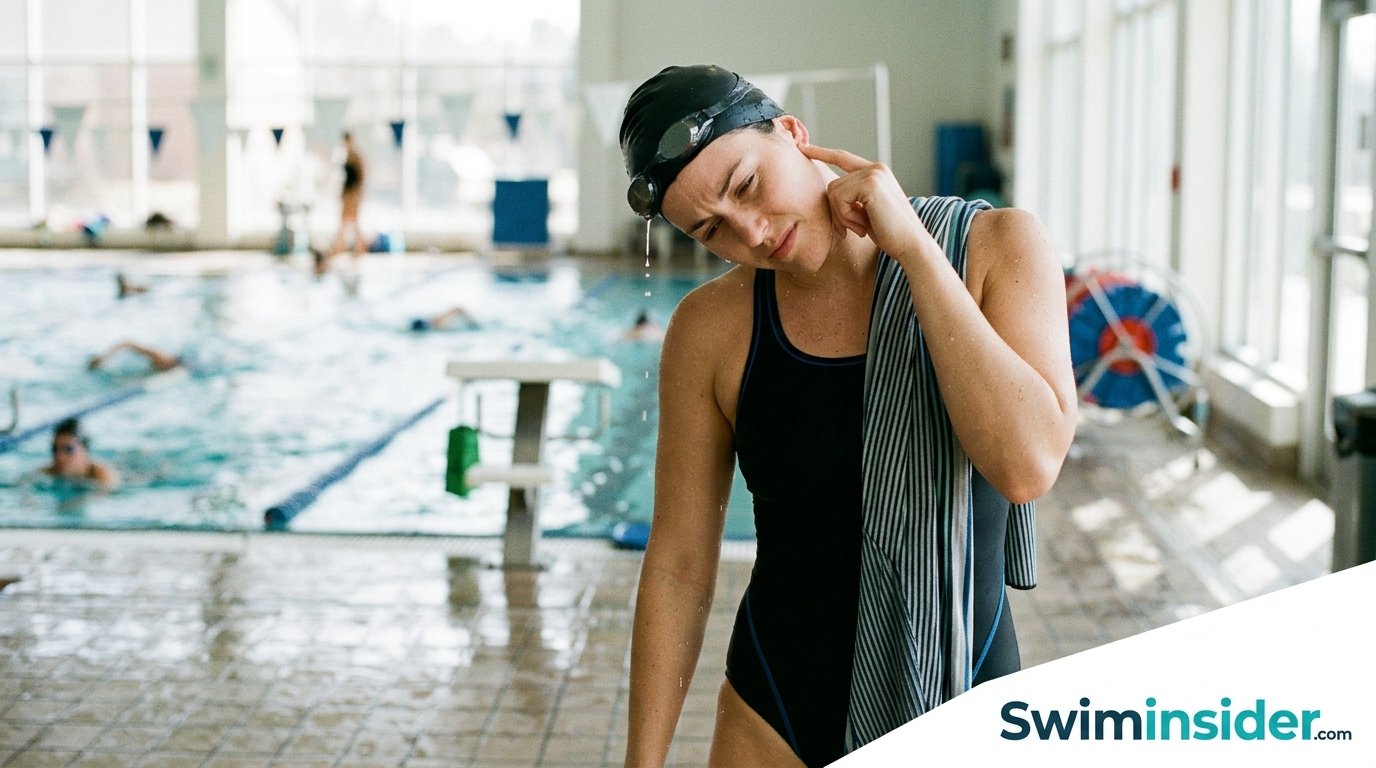
How to Prevent Swimmer’s Ear: A Step-by-Step Guide for Every Swimmer
A practical, doctor-informed routine for drying your ears, choosing the right gear, and keeping otitis externa out of your swim season for good.
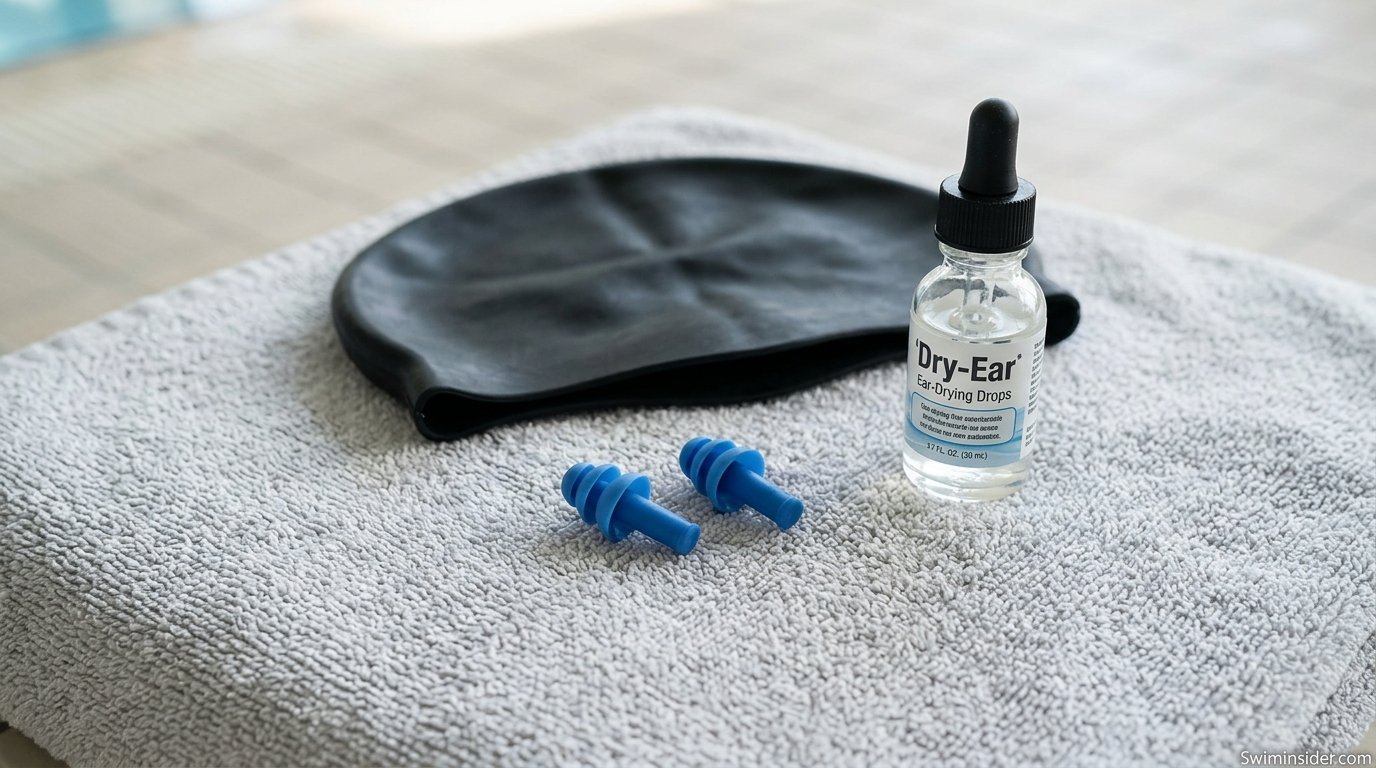
If your ears feel itchy, muffled, or faintly sore after a few laps, you are not imagining it. Swimmer’s ear — the common name for otitis externa — is one of the most predictable side effects of spending time in the water, and it is also one of the most preventable. This guide walks through exactly what causes it, the step-by-step drying routine that stops it before it starts, the gear worth buying, and the small daily habits that separate swimmers who never think about their ears from swimmers who dread every pool season.
What Swimmer’s Ear Actually Is
Swimmer’s ear, medically known as otitis externa, is an infection or irritation of the outer ear canal — the tube that runs from the visible opening of your ear to your eardrum. It is different from a middle ear infection (otitis media), which happens behind the eardrum and is more common in young children after a cold. Swimmer’s ear lives entirely in that outer canal, and it almost always starts the same way: water gets trapped inside, the skin stays damp for too long, and that damp environment lets bacteria or fungus that are normally harmless multiply out of control.
Your ear canal is designed to protect itself. It produces cerumen, or earwax, which is mildly acidic and water-resistant, and it has a slight downward slope that helps water drain out on its own. Repeated swimming sessions wash away that protective wax layer faster than your body can replace it, and the constant moisture softens the skin lining the canal, making it easier for bacteria to get a foothold through tiny cracks or scratches. The result is inflammation, swelling, and in more advanced cases, a genuinely painful infection that can make it hard to sleep, chew, or even touch your ear.
The good news is that swimmer’s ear is not a random misfortune. It follows a predictable pattern — trapped water, prolonged moisture, disrupted wax — and every step in that pattern can be interrupted. That is the entire premise of this guide.
It’s also worth understanding the timeline, because it explains why prevention works so well. In the earliest hours after a swim, the canal is simply damp; nothing harmful is happening yet. Somewhere between six and twenty-four hours later, if that moisture hasn’t evaporated, the softened skin becomes genuinely vulnerable, and bacteria that are normally present in tiny, harmless numbers begin to multiply. By the time visible symptoms show up — usually a day or two after exposure — the infection has typically already been building quietly for a while. That gap between “water gets trapped” and “symptoms appear” is exactly why a five-minute drying routine performed immediately after swimming is so disproportionately effective: it closes the window before bacteria ever get the chance to establish themselves.
How Pool, Lake, and Ocean Water Each Affect Your Risk
Not all water carries the same risk profile, and understanding the differences helps you know when to be extra diligent about your drying routine.
Chlorinated pools
Properly maintained chlorine levels kill most disease-causing organisms, but chlorine is also a mild irritant to skin with repeated exposure. Swimmers who train daily in heavily chlorinated water often notice their ear canal skin feels drier and more sensitive overall, which paradoxically can make it more prone to microtears even though the water itself is relatively low in harmful bacteria.
Lakes, rivers, and other freshwater
Untreated freshwater carries a much wider and less predictable mix of naturally occurring bacteria, especially in warm, slow-moving, or stagnant water during peak summer months. This is one of the main reasons open-water swimmers and triathletes are advised to be especially strict about plugs and post-swim drying, even for short sessions.
Ocean and salt water
Salt water’s higher salinity is mildly inhospitable to some bacteria, which is a small protective factor, but it’s easily outweighed by the sheer amount of splash and wave exposure typical of ocean swimming and surfing. Sand and grit can also work their way into the outer canal alongside water, adding a mechanical irritation factor that pool swimmers rarely deal with.
Hot tubs and heated spas
Warm water is an ideal breeding ground for bacteria if disinfectant levels aren’t well maintained, and the combination of heat and moisture can make hot-tub-associated ear and skin irritation come on faster than typical pool exposure. If you frequent hot tubs regularly, the same drying routine described in this guide applies just as much as it does after a swim.
Why Swimmers Are Especially at Risk
Anyone can develop otitis externa, but people who swim regularly are disproportionately affected for a few specific reasons.
Frequency of water exposure
A single day at the beach rarely causes a problem. It is the accumulation — daily laps, back-to-back swim practices, multiple showers a day — that strips away the ear canal’s natural defenses faster than they can regenerate.
Narrow or curved ear canals
Some people are simply built with ear canals that trap water more easily, whether due to canal shape, extra hair growth, or a naturally narrower opening. If you notice you almost always have “water stuck in your ear” after swimming while your friends do not, this is likely why.
Pool chemistry
Chlorinated water is treated to kill pathogens, but it also disrupts the skin’s natural pH and can be mildly irritating on its own, especially with heavy exposure. Lake, river, and ocean water carry a different risk: a wider variety of naturally occurring bacteria that thrive in warm, untreated water.
Habitual ear cleaning
Ironically, swimmers who try to “clean out” their ears with cotton swabs or fingers are often making things worse. Swabs push wax deeper, scratch the delicate skin of the canal, and strip away the very barrier that was protecting them.
Season and climate
Warmer months bring both more swimming and higher humidity, a combination that slows how quickly the ear canal dries out naturally between sessions even if you’re not swimming any more often than usual. This is part of why swimmer’s ear cases climb noticeably every summer, and why coaches often start reminding swim teams about drying routines right as the season begins rather than waiting for the first case to show up.
Skin conditions and allergies
People with eczema, psoriasis, or generally sensitive skin often have a compromised skin barrier to begin with, which means the ear canal lining may already be more prone to small breaks before water exposure is even a factor. If you know you have sensitive skin elsewhere on your body, it’s worth being extra consistent with ear-drying habits rather than waiting to see if your ears are the exception.
The 6-Step Ear-Drying Method
This is the core routine. Do these six steps, in order, every time you finish swimming, and you eliminate the single biggest risk factor for swimmer’s ear: standing water left in the canal for hours after you have already toweled off and gone home.
Step 1 — Tilt Your Head and Let Gravity Work
Step 1 of 6The moment you’re out of the water, tilt your head sideways so the affected ear points toward the ground. Gently pull the outer ear (the pinna) up and back for adults, or down and back for young children — this straightens the canal slightly and helps trapped water run out naturally. Hold the position for 10 to 15 seconds per ear before moving on.
Step 2 — Towel-Dry the Outer Ear Gently
Step 2 of 6Use the corner of a soft, clean towel to gently pat and dab the visible part of your ear and the outer edge of the canal. Never insert the towel, a finger, or anything else into the canal itself — the goal is to dry what you can see and reach, not to dig.
Step 3 — Use the Cool Setting on a Hair Dryer
Step 3 of 6Set a hair dryer to its lowest heat and lowest fan speed, hold it at least 12 inches (about 30 cm) from your ear, and gently pull the outer ear up and back while directing warm-not-hot airflow into the canal for 20 to 30 seconds. This evaporates residual moisture that toweling alone cannot reach. Skip this step entirely if your dryer only has a high-heat setting — heat that feels hot on your hand is too hot for the ear canal.
Step 4 — Apply Drying Drops
Step 4 of 6Once the outer ear is dry, tilt your head and place two to three drops of an isopropyl-alcohol-based drying solution (either a store-bought product or the homemade version in the next section) into each ear canal. Gently tug the earlobe to help the drops settle, wait 30 seconds, then tilt your head the other way to let it drain out. The alcohol evaporates any remaining water and restores a slightly acidic, bacteria-unfriendly environment.
Step 5 — Wear Properly Fitted Ear Plugs While Swimming
Step 5 of 6Prevention beats treatment every time, and the single most effective tool is a well-fitted pair of swimming ear plugs. Moldable silicone putty plugs shape to your specific ear canal and create a genuine water seal, while pre-formed silicone plugs are faster to insert and reusable across many swims. Press the plug in gently until it seals against the opening — never so deep that it disappears into the canal.
For a deeper breakdown of materials, sizing, and fit, see our full guide to the best ear plugs for swimmers.
Step 6 — Use a Swim Cap or Headband for Extra Protection
Step 6 of 6A snug-fitting swim cap, especially one that covers the ears or is paired with an ear band, adds a second layer of defense by reducing splash-driven water entry, particularly useful for open-water swims, surfing, or rough pool conditions where plugs alone can shift. This step is optional for casual swimmers but valuable for anyone swimming daily or in open water.
DIY Ear-Drying Drops Recipe
If you would rather mix your own drying solution than buy a bottle, the classic formula used by swim coaches and athletic trainers for decades is a simple 1:1 mixture of white vinegar and rubbing (isopropyl) alcohol.
| Ingredient | Amount | Role |
|---|---|---|
| White vinegar | 1 part | Restores acidic pH that discourages bacterial and fungal growth |
| Isopropyl (rubbing) alcohol | 1 part | Evaporates trapped moisture quickly |
Mix the two in a small clean dropper bottle, tilt your head, and place 2–3 drops in each ear after swimming, letting it sit for 30 seconds before draining. Store the mixture at room temperature and label the bottle clearly, especially if kids in the house also use it.
Choosing the Right Ear Plugs
Not all ear plugs are built for swimming, and the wrong pair can do more harm than good — a loose fit lets water leak in around the edges, while an overly aggressive insertion can push wax deeper into the canal. Here is what actually matters when shopping.
Moldable silicone putty
Soft, warm-up-in-your-hand putty that you shape around the outer ear opening. It conforms to unusual or irregular canal shapes better than any pre-formed plug, which makes it the top choice for people who have struggled to get a reliable seal before.
Pre-formed silicone or rubber plugs
Reusable, quick to insert, and often more comfortable for daily training since they don’t require reshaping every time. Sizing matters more here — too small and they won’t seal, too large and they’re uncomfortable or hard to remove.
Custom-molded plugs
Made from an impression of your specific ear canal, these offer the most secure seal available and are popular with competitive and open-water swimmers, though they cost more and take longer to obtain.
- See our full roundup: Best Ear Plugs for Swimmers
- Also useful: Best Nose Clips for Swimming — the other half of a complete water-blocking setup
Swim Caps and Headbands as a Barrier
A swim cap’s main job is reducing drag and protecting hair, but a snug silicone cap also reduces the amount of water that splashes directly into the ear opening, especially in open water, waves, or crowded lanes where turbulence is constant. Pairing a cap with a dedicated neoprene ear band pushes the plugs firmly against the ear and keeps them from being dislodged mid-swim — a common complaint among triathletes and open-water swimmers.
If you swim with long hair or find standard caps uncomfortable, our guides on swim caps for long hair and swim caps for open water cover fit and material in more depth, and our comparison of silicone vs. latex swim caps explains which material suits sensitive skin best. New to caps in general? Start with how to put on a swim cap without pulling hair.
Goggles, Fit, and Ear Health
Goggles don’t directly touch the ears, but they play a bigger supporting role than most swimmers realize. A poor goggle seal forces you to tilt or shake your head more often to clear water from your eyes, which increases the number of times your ears get splashed or submerged awkwardly during a single session. A properly fitted pair that doesn’t leak reduces unnecessary head movement and, by extension, unnecessary water exposure to the ears.
There’s also a simple behavioral link worth mentioning: swimmers who are constantly stopping to adjust leaking or fogged goggles tend to rub their faces and the area around their ears with wet hands more often, which can transfer bacteria and further disturb the ear canal’s natural barrier. Solving the goggle problem first often makes the rest of an ear-protection routine easier to stick to, simply because you’re not interrupting your swim as often.
If you regularly deal with leaking goggles, our guide on why swimming goggles leak and the companion piece on how tight goggles should be are worth reading alongside this guide. For fogging issues that lead to constant readjusting, see how to stop swimming goggles from fogging, and for general hygiene between the ears-and-eyes routine, how to clean swimming goggles covers the basics. Browsing for a new pair? Start with our best swimming goggles roundup, or the more specific guides for beginners, anti-fog performance, and all-day comfort.
Comparing Prevention Methods
There is no single “best” method — most experienced swimmers combine two or three. Think of it less like choosing a winner and more like layering defenses: plugs stop water from getting in, a cap and band keep those plugs seated through rough conditions, and drying drops mop up whatever sneaks past both. Here is how the main options stack up against each other.
| Method | Protection Level | Cost | Best For |
|---|---|---|---|
| Post-swim drying routine (Steps 1–4) | High, when done every time | Free–low | Everyone, as a baseline habit |
| Moldable silicone ear plugs | Very high | Low | Irregular canal shapes, frequent recurring cases |
| Pre-formed reusable plugs | High | Low | Daily swimmers wanting quick insertion |
| Swim cap + ear band | Moderate, as backup | Low–moderate | Open water, waves, keeping plugs seated |
| Drying drops (store-bought or DIY) | High as a finishing step | Very low | Anyone without ear tubes or a perforated eardrum |
| Custom-molded plugs | Very high | Higher | Competitive/open-water swimmers, recurring severe cases |
Pros and Cons of Each Method
Ear plugs
Pros
- Blocks water at the source
- Reusable and inexpensive over time
- Works for both pool and open water
Cons
- Can loosen during vigorous swimming
- Takes practice to insert correctly
- Slightly muffles hearing while worn
Drying drops
Pros
- Fast, low-effort, low-cost
- Restores protective acidic pH
- Easy to make at home
Cons
- Not safe with ear tubes or a perforated eardrum
- Doesn’t prevent water entry, only removes it after
- Mild stinging possible on irritated skin
Swim caps and ear bands
Pros
- Adds a second layer without much effort
- Helps keep plugs seated during rough water
- Doubles as hair and sun protection
Cons
- Not a complete seal on its own
- Some swimmers find bands uncomfortable for long sessions
Kids, Ear Tubes, and Frequent Swimmers
Children
Kids are especially prone to swimmer’s ear because they tend to swim longer, dunk their heads more often, and are less likely to mention mild ear discomfort until it becomes painful. A kid-sized moldable plug, checked for fit every season as their ears grow, combined with the post-swim drying habit taught early, prevents most pediatric cases.
Ear tubes or a history of perforated eardrum
If a child or adult has ear tubes (myringotomy tubes) or has had a perforated eardrum, alcohol- or vinegar-based drying drops should generally be avoided unless a doctor has specifically approved them, since the inner ear is more exposed. Well-fitted, doctor-recommended swimming plugs designed for this exact situation are the safer primary defense.
Daily and competitive swimmers
Athletes who swim six or seven days a week have the least margin for error, since their ear canals rarely get a full day to fully dry out and regenerate wax naturally. For this group, combining plugs during every practice with drying drops after every session — not just after “long” ones — is the standard recommendation from most swim-team athletic trainers.
Swimmers who travel frequently
Vacationers and traveling athletes face a specific pattern: multiple pool or ocean sessions per day, unfamiliar water conditions, and often less access to a hair dryer or their usual drying drops. Packing a small travel bottle of drying drops and a spare pair of plugs solves most of this risk before it ever becomes a problem — treat it the same way you’d pack sunscreen, as a non-negotiable part of the bag.
People with recurring cases
If swimmer’s ear keeps coming back season after season despite good habits, it’s worth having a doctor take a look at your canal shape and wax production directly. Some people genuinely need a slightly different approach — more frequent but gentler professional wax removal, a custom-molded plug, or a prescription preventive drop used on a schedule rather than only after swimming.
Common Myths About Swimmer’s Ear
“If my ears don’t hurt during the swim, I’m fine.”
As covered earlier, symptoms are typically delayed by hours, sometimes a full day or more. Comfort in the pool tells you nothing about what’s happening in your ear canal afterward.
“Cotton swabs after swimming will dry my ears out.”
Swabs remove very little actual moisture and instead push wax and debris deeper into the canal while risking small scratches to the delicate skin lining it — the exact kind of microtrauma that makes infection more likely, not less.
“Only kids get swimmer’s ear.”
Children are more commonly diagnosed partly because they swim longer and report symptoms differently, but adults — especially frequent swimmers, surfers, and anyone who showers with the shower head aimed directly into the ear — are just as susceptible.
“A little bit of pool water in the ear is basically sterile.”
Chlorine reduces but does not eliminate every organism in pool water, and once that water is trapped against warm, softened skin for hours, even small bacterial counts have the opportunity to multiply.
“Once you’ve had it, you’re immune.”
There’s no lasting immunity to otitis externa. In fact, a canal that has been infected once is often slightly more prone to a repeat episode until the skin fully recovers, which is exactly why the prevention habits in this guide matter even more after a first case.
Warning Signs You Waited Too Long
Even with good habits, it helps to recognize the early signs of swimmer’s ear so you can act before it worsens.
- Itching inside the ear canal, often the very first sign
- Redness or mild swelling of the outer canal
- A feeling of fullness or muffled hearing, as if water is still trapped even after drying
- Pain when touching or tugging the outer ear, or when chewing
- Clear, then yellowish or foul-smelling discharge as the infection progresses
- Visible swelling that partially closes the canal opening in more advanced cases
Catching it at the itching or redness stage, and pausing swimming for a day or two while keeping the ear dry, is often enough to stop it from progressing further.
It also helps to know how quickly symptoms can escalate once they start. What begins as mild itching can, within another day or two, turn into noticeable pain, especially at night when lying on the affected side puts pressure on the swollen canal. Some people describe the early ache as similar to a dull toothache that radiates toward the jaw. If you notice that pattern developing, treat it as a signal to stop swimming immediately rather than waiting to see if it resolves on its own, since a day of rest early on is far easier than a week of treatment later.
When to See a Doctor (and What to Avoid)
See a doctor if pain is moderate to severe, if there is visible discharge, if swelling has noticeably narrowed the ear opening, if you have a fever, or if symptoms don’t start improving within a couple of days of extra dryness and rest. Left untreated, otitis externa can spread to surrounding tissue and become considerably harder to treat.
Most cases are resolved with prescription antibiotic or antifungal ear drops, sometimes combined with a mild steroid to reduce swelling and pain quickly.
Quick Prevention Checklist
- Wear a properly sized ear plug for every swim, not just long ones.
- Tilt, towel, and (if safe) blow-dry your ears immediately after getting out of the water.
- Finish with drying drops unless you have ear tubes or a perforated eardrum.
- Never use cotton swabs or fingers to dig inside the canal.
- Pair plugs with a snug cap and ear band for open water or rough conditions.
- Treat itching or redness as an early warning sign, not something to ignore.
Frequently Asked Questions
How long does it take for swimmer’s ear to develop after swimming?
It varies, but symptoms often begin within a day or two of trapped moisture sitting in the ear canal. Frequent swimmers who never fully dry their ears between sessions can develop it even faster, since the canal never gets a chance to reset.
Can I still swim if I already have mild swimmer’s ear symptoms?
Mild itching alone is sometimes manageable with extra drying care, but it is safest to pause swimming for a day or two once you notice redness, pain, or discharge, since continued water exposure will almost always slow healing or make it worse.
Are ear plugs or drying drops more effective on their own?
Ear plugs are generally more effective because they stop water from entering in the first place, while drops only manage water that has already gotten in. Most swimmers get the best results using both together rather than choosing one over the other.
Is it safe to use the vinegar-and-alcohol drop recipe on children?
It’s commonly used for children without ear tubes or a perforated eardrum, but check with a pediatrician first, especially for younger kids, and stop immediately if there is any stinging beyond a very mild, brief sensation.
Why do my ears feel fine during swimming but bother me hours later?
This delayed reaction is typical — the irritation builds gradually as trapped moisture softens the skin over several hours, which is exactly why the post-swim drying routine matters even when your ears feel normal right after getting out of the water.
Can swimmer’s ear happen from showering or bathing, not just pools?
Yes. Any situation that traps water in the ear canal for an extended period can trigger it, which is why the same drying drops and habits are often recommended after showers for people who are prone to recurring cases.
Do earwax buildup and swimmer’s ear risk go together?
They’re related in an unexpected way — some earwax is protective, but excess wax can trap water behind it, while too little wax removes a natural barrier. Both extremes raise risk, which is another reason to avoid aggressive at-home wax removal with swabs.
How often should I replace moldable silicone ear plugs?
Most moldable putty plugs are designed for single or limited reuse before they lose their tackiness and sealing ability, while firmer pre-formed silicone plugs can last a full swim season if kept clean and undamaged.
Does salt water carry a different risk than pool water?
Ocean water is naturally mildly antimicrobial in some respects, but it still traps just as easily in the ear canal, and open-water conditions like waves and wind often mean more splash exposure overall, so prevention habits still fully apply.
Can I use olive oil or other home remedies instead of alcohol drops?
Oil-based remedies are sometimes used for earwax softening but do not evaporate trapped water the way alcohol-based drops do, so they are not a reliable substitute for a genuine drying solution after swimming.
Is swimmer’s ear contagious?
No, it is not contagious in the way a cold or flu is, since it develops from your own ear environment rather than spreading person to person, though shared, unclean earplugs could theoretically introduce unwanted bacteria.
Can I fly on a plane with swimmer’s ear?
Mild cases usually aren’t a barrier to flying, but the pressure changes during takeoff and landing can be uncomfortable if there’s significant swelling or fluid buildup, so it’s worth checking with a doctor beforehand if symptoms are more than mild.
Should I keep my ears dry for a set number of days after treatment?
Most doctors recommend keeping the affected ear completely dry for at least the duration of treatment and a few extra days afterward, using a plug or petroleum-jelly-coated cotton ball during showers, before easing back into swimming.
The Bottom Line
Swimmer’s ear is common, uncomfortable, and almost entirely avoidable. A five-minute post-swim routine — tilt, towel, dry air, drops — combined with a well-fitted pair of ear plugs handles the vast majority of cases before they ever start. Build the habit once, and it becomes as automatic as rinsing off after a swim.
Shop Swimming Ear PlugsRelated reading: best goggles for lap swimming · best swim caps · how to choose swimming goggles