Best Swim Caps: The Complete Buying Guide and Top Picks for Every Swimmer
From silicone to latex to fabric, we break down which swim cap actually keeps your hair dry, your goggles snug, and your swim comfortable — whether you’re doing laps at the local pool or training for open water.
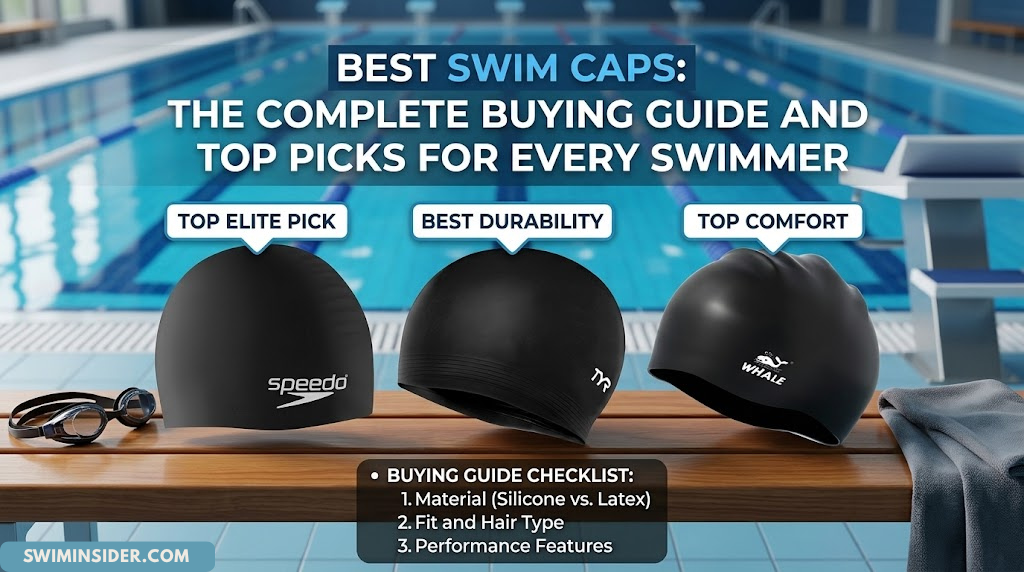 Speedo Silicone Swim Cap — one of our top overall picks
A swim cap looks like the simplest piece of gear in your swim bag, but the wrong one can ruin an otherwise great session. It slips off mid-lap, it snaps against your ears while you’re pulling it on, it lets your hair balloon out the sides, or it leaves a headache-inducing ring around your forehead by the time you’re done. A great swim cap, on the other hand, disappears the moment you put it on — you forget it’s there, your goggles stay sealed, and your hair stays exactly where you left it.
We looked at the swim caps swimmers actually reach for, again and again, across recreational lap swimming, competitive training, triathlon, and open water. Some are built for raw speed and a snug, low-drag fit. Others are built for comfort over long sessions, for thick or long hair, or for larger head sizes that standard caps squeeze too tightly. Below, we walk through nine of the best swim caps on the market right now, what each one does well, where it falls short, and how to pick the right one for your head shape, hair type, and the kind of swimming you actually do.
If you’re also shopping for other gear, our guides to the best swimming goggles and best swimsuits pair naturally with this list, since cap, goggles, and suit all work together to determine how comfortable — and how fast — you feel in the water.
This guide is organized so you can either skim the quick picks and jump straight to a buy decision, or read through the full breakdown of materials, fit, and care if you want to understand exactly why one cap suits your situation better than another. Either way, by the end you’ll know precisely which of these nine caps deserves a spot in your swim bag.
Best Swim Caps at a Glance
Short on time? Here’s the fast version. Each pick below is covered in full detail further down the page, including pros, cons, and who it’s actually built for.
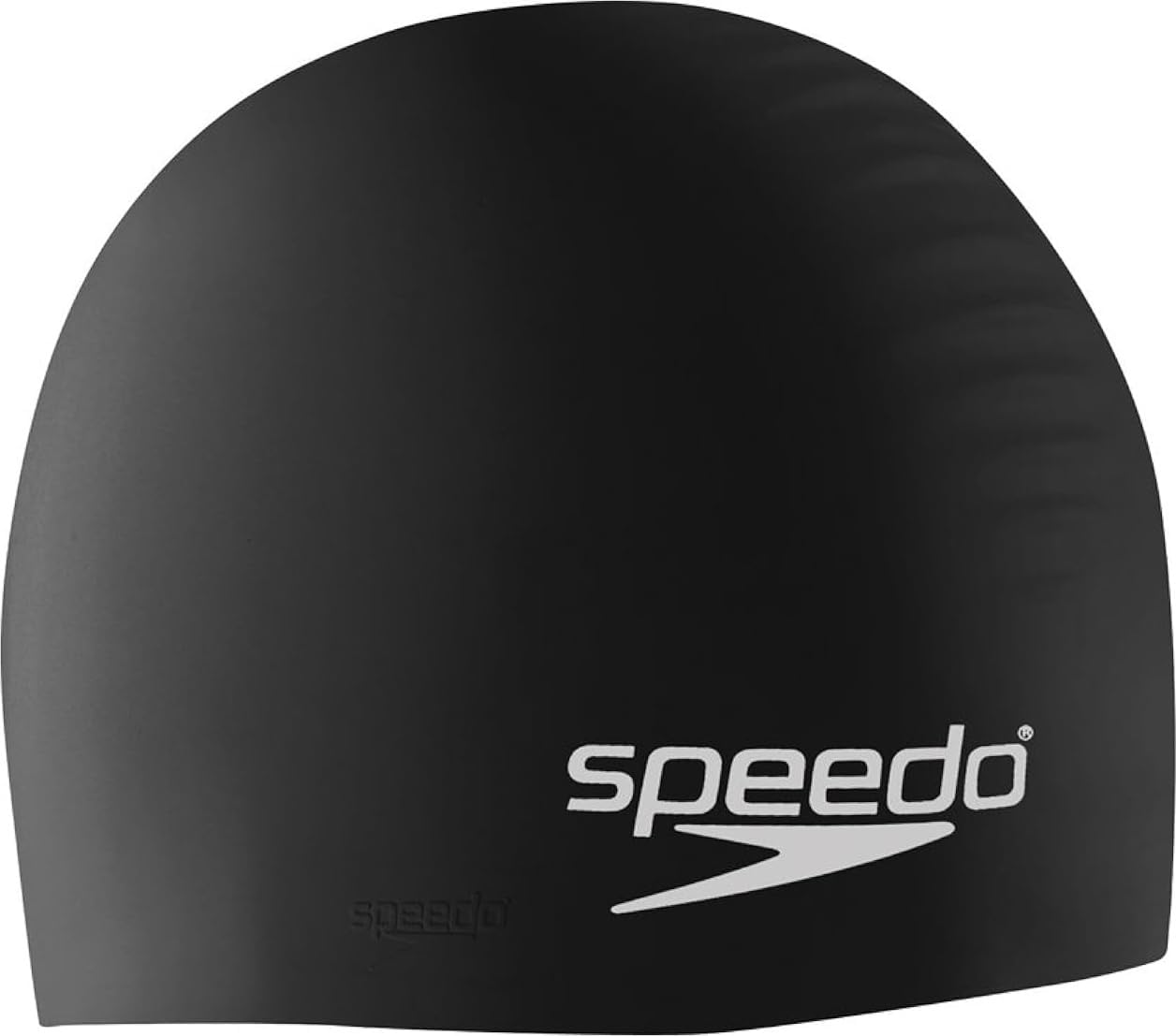
Speedo Silicone Swim Cap
Balanced fit, durable silicone, great for pool laps.

TYR Adult Latex Swim Cap
Ultra-thin, snug, and easy on the wallet.
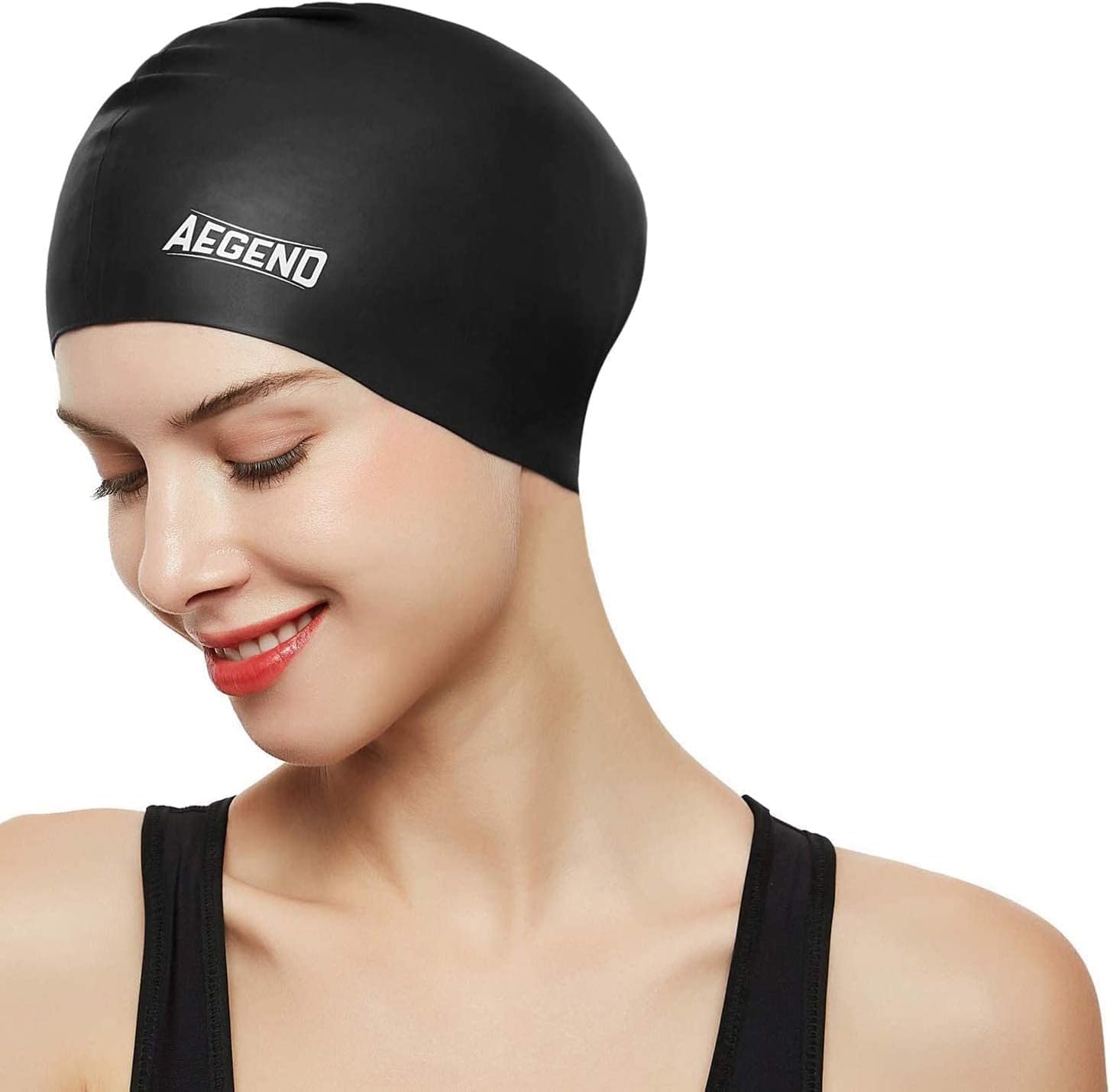
Aegend Cap for Long Hair
Extra room and structure for thick, long, or curly hair.
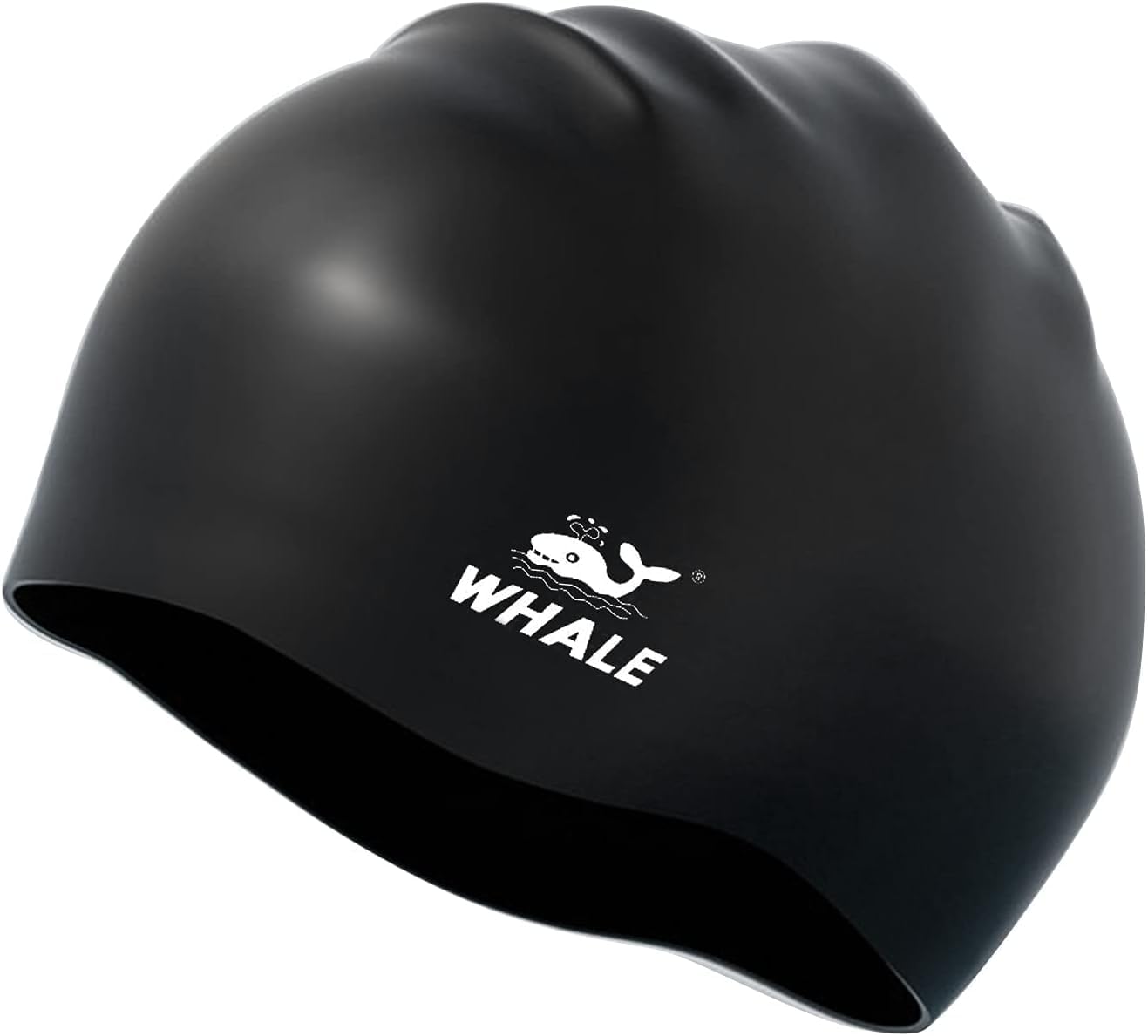
WHALE Extra Large Swim Cap
Roomy fit for larger heads, dreadlocks, and braids.
How We Chose These Swim Caps
Not every swim cap is trying to solve the same problem, so we didn’t judge them all against a single standard. Instead, we weighed each cap against four things that actually affect how a swim feels:
- Seal and grip: Does it stay put through flip turns, dives, and an hour of continuous strokes, or does it need constant adjusting?
- Comfort over time: Some caps feel fine for ten minutes and start pinching by minute thirty. We favored caps that stayed comfortable through a full workout.
- Material durability: Chlorine, saltwater, and sun exposure are brutal on rubber and silicone. We considered how well each material tends to hold up with regular use.
- Value for the intended swimmer: A racing-focused latex cap and a leisure-focused fabric cap serve completely different people, so “value” means different things depending on your goals.
We also cross-referenced how each cap performs for different hair types and head sizes, since that’s where most swim cap complaints actually come from. If you’re unsure how a cap should fit before you buy, our dedicated guide on how to put on a swim cap without pulling your hair is worth a quick read first.
Finally, we tried to be honest about tradeoffs instead of pretending one cap “wins” every category. A cap that’s fantastic for a competitive swimmer chasing a personal best in a 50-meter sprint is often a poor choice for a parent trying to get a squirming five-year-old ready for a swim lesson, and neither of those is the right pick for someone managing thick, waist-length hair on a masters swim team. Rather than crown a single universal winner, this guide is built so you can find the pick that matches your specific situation, whether that’s price, hair volume, head size, or how seriously you’re training.
Silicone vs Latex vs Fabric Swim Caps
The single biggest factor in how a swim cap feels and performs is what it’s made from. Each material has a genuinely different personality in the water, and none of them is universally “best” — it depends on your hair, your budget, and how often you swim.
Silicone Swim Caps
Silicone is the most popular material for a reason. It’s thicker and more durable than latex, resists tearing, and holds its shape well after repeated stretching. Silicone caps tend to grip the head firmly without needing to be pulled painfully tight, and they hold up far better against chlorine over months of regular swimming. The tradeoff is a slightly higher price and a bit less flexibility than latex, which can make silicone caps marginally harder to pull on the first few times.
Latex Swim Caps
Latex caps are thin, stretchy, and inexpensive. Competitive swimmers often like them because they hug the head closely and add very little drag. They’re also the easiest caps to fit into a swim bag since they fold down almost flat. The downside is durability: latex degrades faster than silicone, tears more easily, and isn’t a good option for anyone with a latex allergy. If you swim only occasionally or you’re racing and want the lowest-profile option, latex is worth considering. For a deeper side-by-side, our full silicone vs latex swim caps comparison covers stretch, longevity, and price in more detail.
Fabric (Lycra/Spandex) Swim Caps
Fabric caps are the most comfortable to put on and take off, and they don’t pull or snag hair the way silicone and latex sometimes can. They’re breathable, machine washable in most cases, and a favorite for kids and casual swimmers. What they don’t do well is keep hair fully dry — fabric caps are water-resistant, not waterproof, so if you’re trying to avoid wetting your hair entirely, a fabric cap isn’t the right tool. They’re also not built for competitive swimming since the fabric surface creates more drag than silicone or latex.
Neoprene Swim Caps
Less common, but worth a mention: neoprene caps add warmth and are popular for cold open-water swimming. They’re thicker and more insulating, at the cost of being heavier and less flexible than the other three materials.
How to Get the Right Fit
A swim cap that’s the “right” size on paper can still feel wrong in the water if it’s put on incorrectly or matched poorly to your hair volume. A few fit basics make a bigger difference than most swimmers expect:
- Measure loosely, not tightly. Wrap a soft tape measure around your head just above your eyebrows and ears. Most standard caps fit head circumferences between roughly 21 and 24 inches; anything above that usually calls for an XL or “large” cap.
- Account for hair volume, not just head size. Long or thick hair effectively adds inches to what the cap needs to cover, even if your actual head circumference is average. This is the single most common reason a cap that “should” fit ends up feeling painfully tight.
- Pull from the crown back, not the forehead forward. Center the cap on your head first, then stretch it back and down over the ears using your fingertips, not your palms, to avoid pinching hair.
- Check the ear coverage. Caps that leave your ears fully exposed will let more water in and are more likely to slip; caps that cover the ears completely tend to stay put better but muffle sound slightly, which some swimmers dislike for pool workouts with a coach calling out sets.
If you regularly struggle with caps slipping off during flip turns or dives, our step-by-step guide on putting on a swim cap without pulling hair walks through the technique in more detail, including how to prep long hair beforehand.
1. Speedo Swim Cap Silicone — Best Overall
Speedo Swim Cap Silicone
A dependable, well-fitted silicone cap that works for almost every kind of swimmer.
Speedo has been making swim gear for long enough that its silicone cap doesn’t try to reinvent anything — it just does the fundamentals extremely well. The silicone is on the thicker side, which means it holds its shape after repeated stretching instead of going baggy after a few months of regular use. The seal around the hairline is snug without needing to be yanked into place, and it holds firm through flip turns and dives without that slow creeping slip some cheaper caps develop by the end of a workout.
Where this cap really earns its “best overall” spot is versatility. It’s not purpose-built for racing the way a low-profile latex cap is, and it’s not oversized for thick hair the way a dedicated long-hair cap is — but it comfortably handles moderate hair volume, holds up in chlorinated pools and light saltwater exposure, and fits a broad range of head sizes without feeling like a compromise. For swimmers who want one reliable cap that just works, this is the one we’d point to first.
Pros
- Thick, durable silicone that resists tearing
- Strong seal that holds through flip turns
- Comfortable for long training sessions
Cons
- Not the most streamlined option for racing
- Can feel snug for very thick or long hair
2. TYR Adult Latex Swim Cap — Best Budget Pick
TYR Adult Latex Swim Cap
Thin, stretchy, and low-drag — a favorite among lap swimmers watching their budget.
TYR’s latex cap is the kind of product that doesn’t need much explanation: it’s inexpensive, it stretches easily over the head, and it hugs close enough to the skull that it barely registers once you’re a few strokes into a set. Because latex is naturally thinner than silicone, this cap folds down small enough to toss in a jacket pocket, which is a nice bonus for anyone who swims on the way to or from somewhere else.
The tradeoff for that thinness is durability. Latex simply doesn’t last as long as silicone under regular chlorine exposure, and this cap is no exception — expect to replace it more often than a silicone alternative. It’s also worth noting for anyone with a latex sensitivity: this material isn’t for you, and a silicone or fabric cap is the safer choice. But if neither of those apply, the price-to-performance ratio here is hard to beat for casual to moderately serious lap swimming.
Pros
- Very affordable
- Thin, low-drag, close-fitting profile
- Folds flat for easy packing
Cons
- Wears out faster than silicone
- Not suitable for latex allergies
3. YOGINGO Large Swim Cap — Best for Bigger Heads

YOGINGO Large Swim Cap
Extra interior room without sacrificing the seal around the edges.
Standard-sized swim caps have a real problem: “one size fits most” often means “one size fits average,” which leaves anyone with a larger head circumference stuck choosing between discomfort or constant readjustment. YOGINGO’s large cap solves that directly by building in noticeably more interior volume while keeping the elastic band around the edge tight enough to maintain a proper seal.
In testing-style use, this extra room makes the biggest difference for swimmers who’ve previously dealt with headaches from standard caps digging in around the temples after 20–30 minutes. The silicone itself is mid-weight — not as thick as a premium racing silicone cap, but sturdy enough for regular pool use. If you’ve been sizing up into kids’ caps or stretching adult caps to their limit just to get them on comfortably, this is a straightforward fix.
Pros
- Genuinely roomier interior fit
- Still seals well around the hairline
- Comfortable for extended sessions
Cons
- Mid-weight silicone, not the most premium feel
- Slightly bulkier profile than standard caps
4. Arena Classic Unisex Soft Silicone Swim Cap — Best for Sensitive Skin

Arena Classic Unisex Soft Silicone Swim Cap
A noticeably softer silicone blend that’s gentle on the scalp and hairline.
Arena has a long history in competitive swimming, and the Classic cap reflects that pedigree — but the standout feature here isn’t speed, it’s comfort. The silicone blend used is noticeably softer and more pliable than the average cap, which translates into less of that tight, pinching sensation some swimmers feel around the temples and behind the ears after long sets.
This is also one of the easier caps to put on without a fight, since the softer material stretches more forgivingly over the head without requiring the aggressive pulling that firmer silicone sometimes needs. It’s genuinely unisex in cut, sized to work comfortably for both men and women, and holds a clean, low-profile silhouette in the water. If a previous cap has left you with a red ring around your forehead by the end of practice, this is one of the more comfortable alternatives on this list.
Pros
- Soft, gentle silicone reduces pressure marks
- Easy to pull on without excessive stretching
- Clean, low-profile unisex fit
Cons
- Softer material may show wear slightly sooner than firmer silicone
- Limited color/pattern options compared to fabric caps
5. Dizokizo High Elasticity Silicone Swim Cap — Best Stretch

Dizokizo High Elasticity Silicone Swim Cap
Built specifically to stretch further than standard silicone caps, without going thin.
The name isn’t marketing fluff — this cap’s silicone formula is genuinely more elastic than most of the others on this list, which shows up the moment you try to put it on. It stretches wider and more evenly, distributing tension across the whole cap instead of concentrating stress at the edges where tearing usually starts. That makes it noticeably easier to pull over the head one-handed, which matters more than people expect when you’re also trying to tuck hair in with the other hand.
Despite the extra stretch, it doesn’t sacrifice much in the way of grip once it’s in position — the elasticity that made it easy to put on also helps it snap back into a snug seal rather than sitting loosely. It’s a strong option for swimmers who’ve struggled with stiffer silicone caps that feel like a workout just to put on before the actual workout starts.
Pros
- Noticeably easier to stretch on than average silicone
- Even tension reduces tearing risk
- Snaps back to a snug fit after stretching
Cons
- Extra stretch can feel slightly less structured for racing
- Sizing runs true, so measure before buying
6. Aegend Swim Caps for Long Hair — Best for Long Hair
Aegend Swim Caps for Long Hair
Purpose-built extra depth for buns, braids, and thick, long hair.
Most “long hair” swim caps are really just a slightly bigger version of a standard cap, but Aegend approaches the problem differently by building in real structural depth toward the back of the cap, giving hair somewhere to actually sit instead of being crammed flat against the skull. For anyone who’s tried stuffing a bun or a thick braid under a regular cap and felt the whole thing balloon out and slip within minutes, the difference is immediately noticeable.
The silicone is on the firmer side, which helps it maintain its shape even when it’s holding a good amount of hair volume, and the wider design still tucks in around the hairline enough to keep the seal reasonably tight. It won’t achieve the same razor-thin profile as a latex racing cap, but that’s not the tradeoff this cap is making — it’s optimized for keeping long hair contained and comfortable, and it does that job better than almost anything else on this list. Pair it with our tips on the best swim caps for long hair if you want more options in this exact category.
Pros
- Extra depth specifically for buns and braids
- Firm silicone holds shape under hair volume
- Reduces the “ballooning” effect other caps cause
Cons
- Bulkier profile, not ideal for racing
- Overkill for swimmers with short or thin hair
7. Firesara Fabric Swim Cap — Best Comfort for Casual Swimmers

Firesara Fabric Swim Cap
A stretchy Lycra cap that’s easy to wear and easy to forget about.
Fabric caps solve a very specific complaint that silicone and latex caps can’t: the pull. Anyone with sensitive skin or hair that snags easily knows the particular annoyance of a rubber cap tugging at strands on the way off. Firesara’s fabric cap sidesteps that entirely with a soft, stretchy Lycra-blend material that slides on and off without catching, and it’s genuinely comfortable to wear for extended periods since it breathes better than rubber-based caps.
The obvious limitation is water resistance — this cap will not keep hair bone-dry the way silicone does, since fabric absorbs some water rather than fully blocking it. For recreational swimmers who aren’t chasing personal records and mostly want to keep hair out of their face and reduce chlorine exposure to the scalp, that’s a reasonable tradeoff. It’s also machine washable, which is a nice bonus that rubber caps can’t offer.
Pros
- Doesn’t pull or snag hair
- Breathable and comfortable for long wear
- Machine washable
Cons
- Doesn’t keep hair fully dry
- More drag than silicone/latex for competitive swimming
8. COOLMATE Fabric Swim Cap for Women, Men & Kids — Best Family Pick

COOLMATE Fabric Swim Cap for Women, Men & Kids
A flexible fabric cap sized to work across a wide age range.
If you’re outfitting more than one swimmer, buying a different cap style for every family member gets expensive and confusing fast. COOLMATE’s fabric cap is designed with enough stretch and size range to comfortably fit adults and kids alike, which makes it a genuinely practical option for family swim days, lessons, or vacations where you need a few caps on hand without overthinking sizing for each person.
Being a fabric cap, it shares the same general profile as the Firesara option above: comfortable, breathable, easy on and off, but not fully waterproof. Where it stands out is the fit range and the softer, more forgiving stretch that works for smaller kids’ heads without feeling loose, while still stretching enough to cover adult hair volume. If you’re also shopping for young swimmers, our guide to the best swimming goggles for kids is a natural next stop.
Pros
- One style that fits multiple family members
- Soft, breathable, comfortable fabric
- Easy on and off for kids
Cons
- Not fully waterproof
- Not built for competitive lap times
9. WHALE Extra Large Swim Cap for Women Men — Best Extra-Large Fit
WHALE Extra Large Swim Cap for Women Men
The go-to option when standard and even “large” caps still feel too tight.
Some swimmers need more than a slightly-larger cap — they need a cap that was actually designed around a bigger fit from the start, whether that’s due to head size, dreadlocks, thick braids, or simply hair that’s too voluminous for anything else on this list. WHALE’s extra-large cap is built for exactly that scenario, with a noticeably deeper interior and a wider circumference than every other cap reviewed here.
What makes it work rather than just being “big” is that the elastic edge is engineered to still cinch down and seal properly, so you get the extra interior room without the cap feeling loose or prone to slipping. It’s a strong option for swimmers who’ve bounced between multiple caps trying to find something that doesn’t leave a headache-inducing pressure line, and it’s equally useful for anyone managing very thick or long hair who found even the Aegend option above still a bit snug.
Pros
- The most interior room of any cap on this list
- Still seals securely despite the larger size
- Great for larger heads, braids, and dreadlocks
Cons
- Too roomy for swimmers with average or small head sizes
- Bulkier profile isn’t ideal for racing
Swim Cap Comparison Table
Here’s how all nine caps stack up side by side, so you can quickly compare material, best use case, and standout feature.
| Swim Cap | Material | Best For | Standout Feature |
|---|---|---|---|
| Speedo Silicone | Silicone | All-around pool swimming | Balanced fit and durability |
| TYR Adult Latex | Latex | Budget-conscious lap swimmers | Thin, low-drag profile |
| YOGINGO Large | Silicone | Bigger heads | Extra room, still seals well |
| Arena Classic Soft Silicone | Silicone | Sensitive skin/scalp | Softer, gentler material |
| Dizokizo High Elasticity | Silicone | Easy on/off | Superior stretch |
| Aegend Long Hair | Silicone | Long or thick hair | Extra structural depth |
| Firesara Fabric | Fabric/Lycra | Casual, comfort-first swimming | No hair pulling |
| COOLMATE Fabric | Fabric/Lycra | Families / mixed age groups | Wide size range |
| WHALE Extra Large | Silicone | Very large heads, dreadlocks, braids | Most interior room |
Swim Cap Sizing Chart
Most brands don’t use identical sizing labels, which makes cross-shopping confusing. Use the chart below as a general reference point, then check the specific listing for each cap, since a few millimeters of difference in elastic tension can matter more than the label suggests.
| Size Label | Approx. Head Circumference | Typical Fit For |
|---|---|---|
| Standard / Regular | 21 – 22.5 in (53 – 57 cm) | Average adult head, short to moderate hair |
| Large | 22.5 – 24 in (57 – 61 cm) | Larger heads, moderate to thick hair |
| Extra Large | 24+ in (61+ cm) | Very large heads, dreadlocks, braids, very thick hair |
| Fabric (One-Size Stretch) | Flexible, roughly 20 – 24 in | Most adults and older kids, thanks to fabric stretch |
If your measurement lands right on the border between two sizes, it’s usually worth sizing up rather than down — a slightly loose cap can be tightened with careful placement, but a cap that’s genuinely too small will pinch no matter how you position it. This is especially true if you’re deciding between a standard cap and one of the long-hair or extra-large options covered above.
Choosing a Swim Cap by Hair Type and Swim Style
The “best” swim cap really depends on two things: what your hair is doing, and what kind of swimming you’re doing. Here’s how to match yourself to the right category.
Short or Thin Hair
You have the most flexibility here. A standard silicone cap like the Speedo or Arena option will fit comfortably without needing extra interior room, and a thin latex cap like the TYR pick is a great low-drag option if you’re training seriously.
Long, Thick, or Curly Hair
Look for caps built with extra depth, like the Aegend or WHALE options. Trying to force long hair into a standard cap is the number one cause of caps slipping off mid-swim, and it’s also uncomfortable. Our dedicated list of the best swim caps for long hair goes deeper on this if you want more options.
Competitive or Race-Day Swimming
Prioritize a thin, low-drag material — typically latex or a firm, tightly-fitted silicone. Comfort over a two-hour recreational swim matters less here than a clean, tight seal that won’t create drag during a race.
Open Water Swimming
Visibility and warmth start to matter alongside fit. Many open-water swimmers double up with a bright-colored cap over a thinner base cap, or opt for neoprene in cold water. For a full breakdown of what to prioritize, see our guide to the best swim caps for open water, and consider pairing your cap with the best open water swimming goggles for a complete setup.
Kids and Casual Swimmers
Comfort and ease of use usually beat performance here. Fabric caps like Firesara or COOLMATE are easier for kids to put on themselves and won’t pull at hair during removal, which matters a lot for younger swimmers who dread the process.
Does a Swim Cap Actually Make You Faster?
It’s a fair question, especially if you’re deciding whether it’s worth spending on a “performance” silicone cap versus grabbing whatever fabric cap is cheapest. The honest answer is: yes, but modestly, and the effect depends heavily on your hair and stroke technique rather than the cap alone.
Loose, flowing hair creates meaningful drag in the water, and a cap that fully contains that hair reduces resistance more than most swimmers expect until they try it. Competitive swimmers with long hair often report a genuinely noticeable difference between swimming capped and uncapped, separate from any material differences between cap types. Among caps themselves, a smooth, tight-fitting latex or firm silicone cap creates less surface drag than a looser fabric cap, which is part of why fabric caps are rarely allowed in sanctioned competition.
That said, for the vast majority of recreational and fitness swimmers, the difference between a well-fitted silicone cap and a well-fitted fabric cap is not going to be the deciding factor in your lap time. Stroke efficiency, body position, and consistency in training matter far more. Treat the “faster” argument as a tiebreaker for competitive swimmers choosing between similar options, not a reason to force an uncomfortable cap on yourself for casual laps.
Caring for Your Swim Cap
Regardless of material, a few habits will meaningfully extend the life of any swim cap:
- Rinse after every use. Chlorine and salt residue break down rubber and silicone over time. A quick freshwater rinse after each swim slows that degradation significantly.
- Dry it inside out. Letting a cap dry fully inside out prevents trapped moisture from encouraging odor or mildew, especially for fabric caps.
- Avoid direct sunlight for storage. UV exposure breaks down both latex and silicone faster than almost anything else. Store your cap in a bag or drawer, not on a sunny windowsill.
- Talc or light powder for latex caps. A light dusting of talc-free powder can help prevent latex from sticking to itself in storage, which reduces tearing when you unfold it next time.
- Machine wash fabric caps as directed. Most fabric caps, including the Firesara and COOLMATE picks above, can go through a gentle wash cycle — check the label first.
Common Mistakes to Avoid
Watch Out For These
- Buying based on head size alone. Hair volume matters just as much, especially for long or thick hair — size up rather than forcing a standard cap.
- Pulling the cap on by the front edge. This concentrates stress on one spot and is a common cause of tearing. Start at the crown and work back and down.
- Ignoring goggle strap placement. Cap should generally go on before goggles for the cleanest seal — putting the cap on last can dislodge the goggle strap position.
- Assuming fabric caps keep hair dry. They reduce direct exposure but don’t fully waterproof hair the way silicone or latex does.
- Storing a wet cap balled up in a bag. This is one of the fastest ways to encourage mildew and material breakdown between swims.
Rounding Out Your Swim Kit
A great swim cap is only one piece of a comfortable, well-fitted setup. Once your cap is sorted, it’s worth double-checking the rest of your gear:
- Goggles: A cap that seals well should sit under your goggle strap, not over it. See our picks for the best swimming goggles for beginners, the best swimming goggles for women, or the best triathlon swimming goggles depending on your needs.
- Fogging and leaking: If your goggles fog up mid-swim, our guide on how to stop swimming goggles from fogging covers practical fixes, and why your swimming goggles leak troubleshoots seal issues.
- Swimsuits: If you’re updating your whole kit, our roundups of the best swimsuits for women and best competitive swimsuits are a good next stop.
Does Swim Cap Color Matter?
Beyond looks, color is a genuinely practical decision depending on where and how you swim. In a pool, color mostly comes down to preference, team requirements, or simply what makes it easy for a coach to spot you across several lanes during a set. Darker caps tend to show less visible wear and staining over time, while brighter caps make you easier to identify at a glance, which matters more than swimmers often expect during a crowded lap-swim session.
In open water, color stops being cosmetic and becomes a genuine safety consideration. Bright orange, yellow, and pink caps are dramatically easier for boats, kayaks, and safety spotters to see against dark or choppy water than navy, black, or green. Many open-water events actually require a specific high-visibility color for exactly this reason, and even for casual open-water swims without an event organizer, a bright cap is one of the simplest safety upgrades you can make. If open water is a regular part of your routine, it’s worth keeping a dedicated bright-colored cap in your bag even if your everyday pool cap is a more subdued color, and pairing it with the guidance in our best swim caps for open water roundup.
For triathletes, race organizers typically assign cap colors by wave or division and provide the cap as part of race-day materials, so personal color preference takes a back seat on race day itself — but for training swims leading up to an event, the same visibility logic applies. A cheap, brightly colored training cap kept specifically for open-water sessions is a small investment that pays off in peace of mind.
Frequently Asked Questions
Do I really need a swim cap if I have short hair?
You don’t strictly need one, but a cap still reduces drag, keeps hair out of your goggles and mouth, and protects hair from constant chlorine exposure. Many pools also require caps for hygiene and to keep loose hair out of filtration systems.
What’s the difference between silicone and latex swim caps?
Silicone is thicker, more durable, and holds its shape longer, while latex is thinner, cheaper, and lower-drag but wears out faster and isn’t suitable for latex allergies. Our full silicone vs latex comparison breaks this down further.
Will a swim cap keep my hair completely dry?
Silicone and latex caps come close to fully dry if fitted correctly, though some water can still seep in around the edges. Fabric caps are water-resistant, not waterproof, so expect hair to get somewhat damp underneath.
How do I stop my swim cap from pulling my hair?
Tie hair back loosely first, pull the cap on starting from the crown rather than the front, and use fingertips rather than fingernails to tuck edges in. Our step-by-step guide on putting on a swim cap without pulling hair covers the full technique.
What size swim cap should I buy?
Measure your head circumference just above the eyebrows and ears. Standard caps generally fit 21–24 inches; anything larger, or hair with significant volume, usually calls for a large or extra-large cap like the YOGINGO or WHALE options above.
Can I wear a swim cap over my goggles or under them?
Cap under goggles is the standard approach — it creates a cleaner seal and keeps the goggle strap from slipping. Some open-water and triathlon swimmers wear a second cap over the goggle strap for extra security in rougher water.
How long does a swim cap typically last?
With regular rinsing and proper drying, a silicone cap can last a year or more of frequent use, while latex caps typically need replacing every few months with regular swimming due to faster material breakdown.
Are fabric swim caps allowed in competitive swimming?
Most competitive swim organizations require silicone or latex caps for races since fabric caps create more drag and don’t meet uniform requirements. Fabric caps are best reserved for practice, lessons, or recreational swimming.
Why does my swim cap keep slipping off?
The most common causes are a cap that’s too small for your hair volume, incorrect placement (starting from the front instead of the crown), or worn-out elastic on an older cap. Sizing up or switching to a long-hair-specific cap usually solves this.
Can I wear two swim caps at once?
Yes, and many open-water and triathlon swimmers do exactly this — a thin cap underneath and a brighter, more durable cap on top for visibility and extra security around the goggle strap.
What’s the best swim cap material for sensitive skin?
A softer silicone blend, like the Arena Classic option covered above, tends to be gentler on skin and hairlines than firmer silicone or latex, which can dig in more around the temples and ears.
Do swim caps come in kids’ sizes?
Yes, many fabric caps in particular, like the COOLMATE option, are designed to fit a wide range including kids, while some silicone caps also offer dedicated youth sizing.
Should I buy a silicone cap or a fabric cap for swim lessons?
For young swimmers just starting lessons, a fabric cap is usually the better first choice, since it’s easier to put on and take off independently and won’t pull at hair during the learning process. Once technique and comfort in the water improve, many families switch to silicone for better durability and a more secure fit.
Can a swim cap cause hair loss or breakage?
Worn correctly, a swim cap doesn’t cause hair loss, but repeated aggressive pulling on and off, especially with tightly stretched silicone or latex, can lead to breakage over time for fragile or chemically treated hair. Tying hair back loosely, applying a light leave-in conditioner before swimming, and using the crown-first technique described above all reduce this risk significantly.
Final Verdict
If you only take one thing from this guide: match the cap to your hair and your swim goal, not just the price tag. For most swimmers, the Speedo Silicone Swim Cap is the safest all-around choice — durable, well-sealed, and comfortable across a range of head sizes. If you’re managing long or thick hair, go straight to the Aegend or WHALE Extra Large options instead of fighting a standard cap. Racing or training seriously and want the lowest drag possible? The TYR latex cap is hard to beat for the price. And if comfort matters more than a bone-dry scalp, the fabric options from Firesara and COOLMATE are worth a look.
Whichever cap you land on, pairing it with well-fitted goggles makes the biggest difference in how a swim actually feels — check out our guide to the best swimming goggles to complete your setup.
Pingback: Can You Swim With Contacts? Eye Doctor Risks & Safer