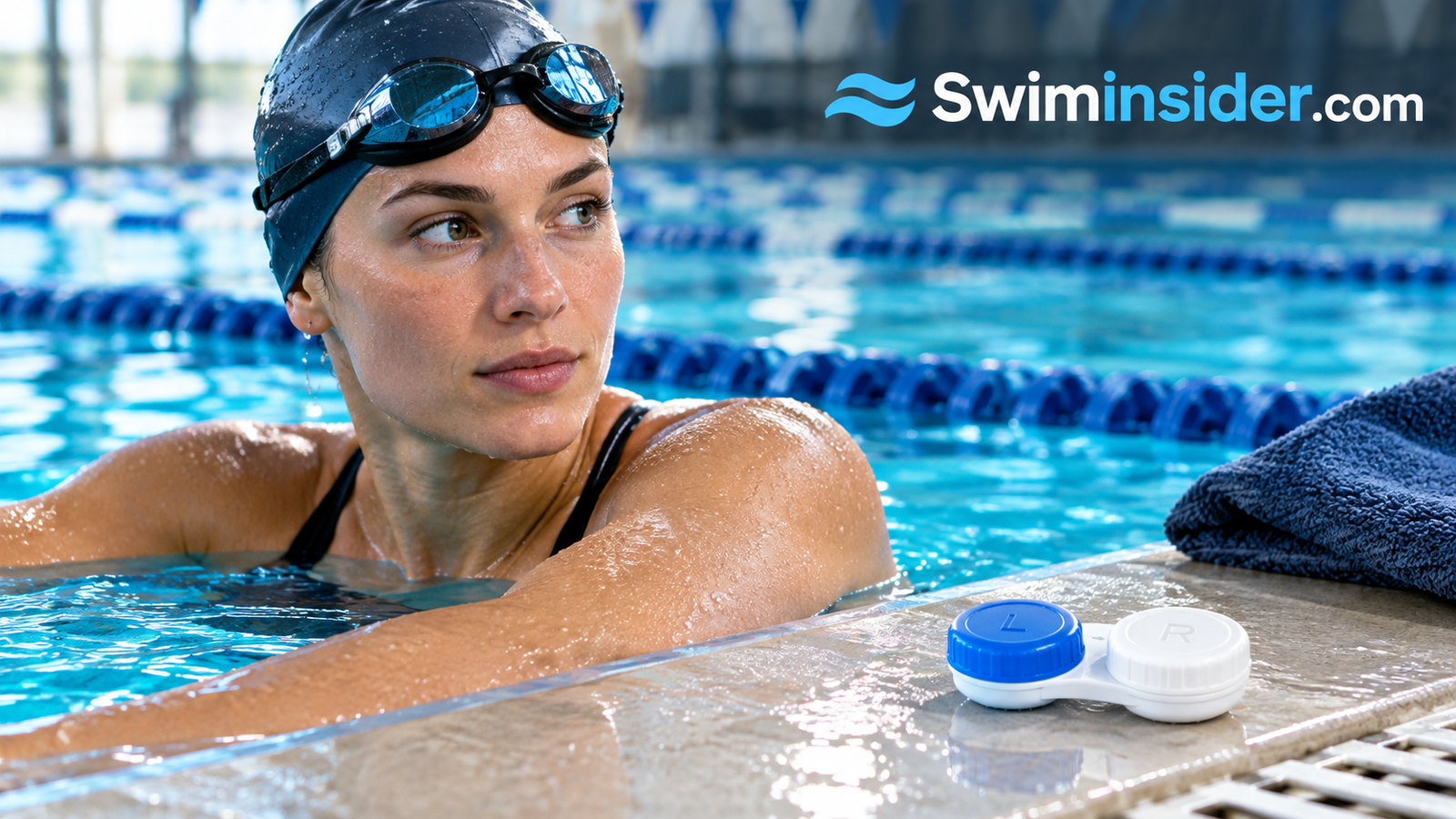
Can You Swim With Contacts? What Eye Doctors Want You to Know
Short answer: it is risky, and there are much better ways to see clearly in the water. Here is the full picture, from infection risks to the best alternatives.
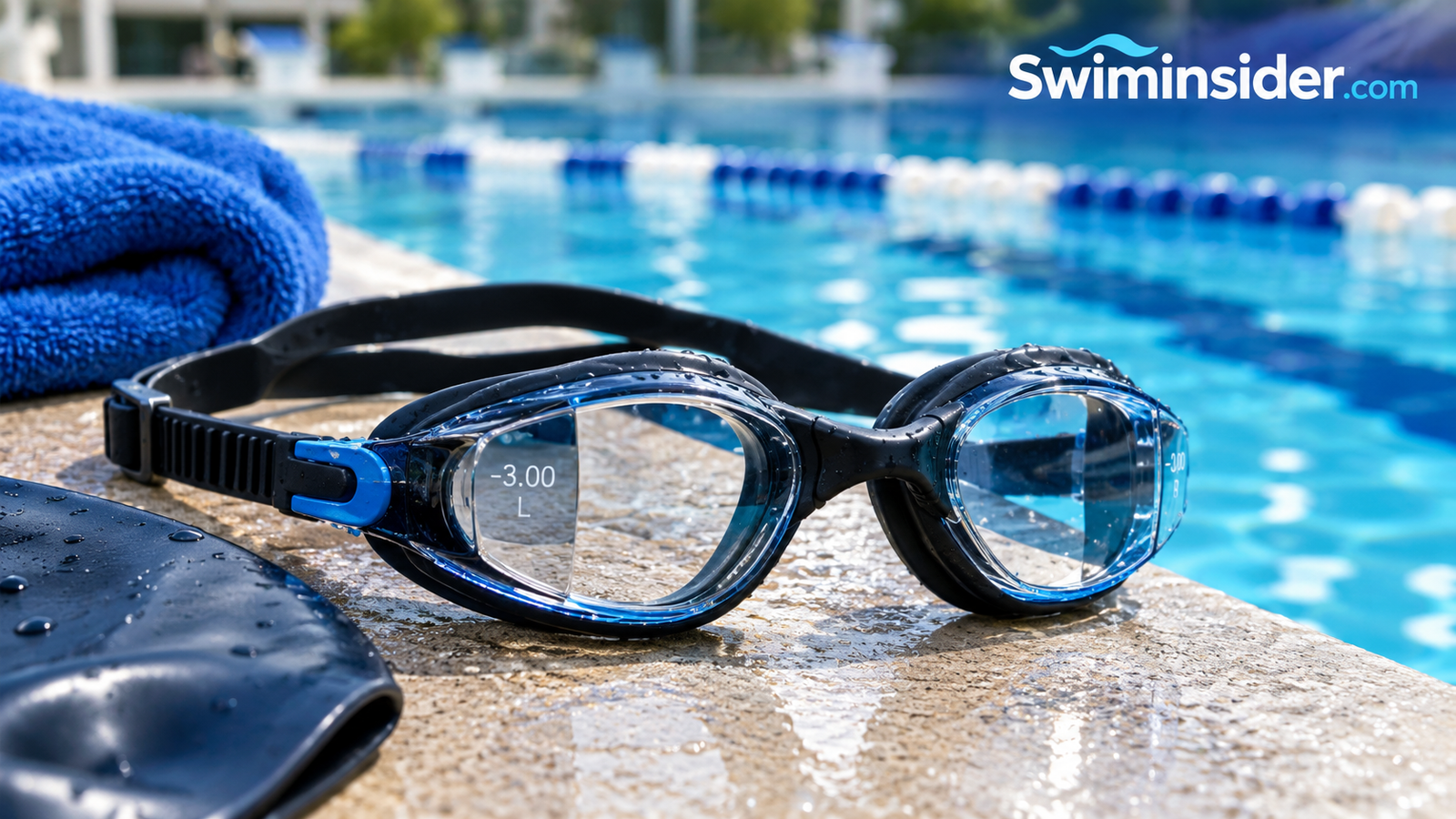
You are standing at the edge of the pool. Your lenses are in, your goggles are on your forehead, and a quiet little voice asks whether this is actually a good idea. If you have ever wondered whether it is fine to swim with contacts, you are in good company. Millions of people who wear contact lenses also love to swim, and most of us have at some point jumped in without thinking twice.
The honest answer is more nuanced than a simple yes or no, but it leans firmly in one direction. Eye care organizations, including the CDC and the American Academy of Ophthalmology, advise against exposing contact lenses to water of any kind, and swimming is the most obvious way that happens. This guide walks you through exactly why, which situations are worst, how goggles change the equation, and what you can do instead so you can swim comfortably and see where you are going.
Along the way we will cover practical options, from prescription goggles to daily disposable lenses to longer-term vision correction. We will also point you to some of our other swimming guides, like our roundup of the best prescription swimming goggles, so you can move from reading to buying with confidence.
1. The Short Answer: Can You Swim With Contacts?
Physically, yes, you can. Nothing stops a contact lens from sitting on your eye while you swim lengths, and plenty of people do it. The real question is whether you should, and for most people the answer is no. Eye health authorities recommend removing contact lenses before swimming, showering, or entering any body of water, and keeping them out of contact with water altogether.
The reasoning is simple. A contact lens is a small, moist, curved piece of material that sits directly against the surface of your eye for hours. Anything living in the water you swim in can get trapped between the lens and your cornea, where it has time, warmth, and protection to cause trouble. Your natural tear film normally washes germs away with every blink, but a lens slows that process down.
That is the recommendation in a nutshell. The rest of this article explains the reasoning so that you can make an informed decision, because understanding the risk is far more useful than memorizing a rule. If you are mainly here for a solution, skip ahead to the sections on prescription goggles and other correction options.
Why this advice is so consistent
It is rare for medical and public health bodies to agree this strongly on an everyday habit, which tells you something. The guidance has not been driven by theory alone. Eye doctors regularly treat swimmers and shower-takers who developed painful infections after exposing lenses to water, and the stories tend to follow the same pattern: a casual swim, a lens left in a little too long, and a problem that turned up a day or two later.
It also helps to be realistic about human behavior. Even people who know the rule slip. They leave lenses in for a quick dip, forget to take them out before a shower, or rinse a case with the tap. A habit of keeping lenses and water apart removes the need to judge each situation in the moment.
Want clear vision without lenses in the water? See prescription swim goggles.
Shop Prescription Goggles on Amazon2. Why Water and Contact Lenses Don’t Mix
The main concern is not discomfort, it is infection. Water, even clean-looking water, is home to microorganisms. When a lens carries those organisms onto the cornea, the clear front window of your eye, the result can be a corneal infection called keratitis. Some of these infections are mild and clear up with treatment. Others are sight-threatening.
Acanthamoeba keratitis
The infection people hear about most is Acanthamoeba keratitis. Acanthamoeba is a microscopic amoeba that lives in tap water, lakes, rivers, soil, and even some hot tubs. It is rare, but the large majority of cases occur in contact lens wearers, and it is notoriously difficult to treat. It can cause severe pain, light sensitivity, and in worst cases permanent vision loss or the need for a corneal transplant. Wearing lenses in water, or rinsing and storing them in tap water, are well-known risk factors.
Bacterial keratitis
Bacteria such as Pseudomonas aeruginosa thrive in moist environments, including poorly maintained pools and hot tubs. A contact lens can create a tiny micro-environment against your eye where bacteria multiply faster than your tears can clear them. Bacterial keratitis often develops quickly, sometimes within a day, with redness, pain, discharge, and blurry vision.
Chemical irritation
Pool chemicals are designed to kill germs, and they are generally safe for skin and eyes in normal use. But chlorine and its by-products can irritate eyes, and soft lenses can absorb and hold onto chemicals, keeping them in contact with the eye for longer. That is why some swimmers notice stinging and redness after swimming in lenses, even in a well-kept pool.
What lenses do well
- Correct vision without frames
- Wide, natural field of view
- Perfect for dry-land sports
What lenses do poorly in water
- Trap microbes against the cornea
- Absorb chemicals and contaminants
- Can wash out or shift easily
None of this means every swim in contacts leads to disaster. Most people who do it will never develop a serious infection. But the downside is severe enough, and the alternatives are good enough, that most eye doctors would rather you skip the gamble entirely.
Who is most at risk?
Anyone who wears lenses can develop a corneal infection, but certain habits raise the odds. Sleeping in lenses, overwearing them, using old or topped-off solution, skipping hand washing, and exposing lenses to water all contribute. A small scratch on the cornea, perhaps from a lens edge or a fingernail, gives microbes an easy way in. That is why a lens that feels slightly gritty or “off” after a swim should be taken out right away rather than tolerated.
Dry eye is another factor. If your eyes already feel dry or tired by the end of the day, a lens exposed to chlorine or salt will usually feel worse, and a stressed cornea heals less well. If this sounds familiar, mention it to your eye doctor, because they can suggest lens materials and drops that suit your eyes.
If you do wear lenses, daily disposables are the safer pick for water days.
Browse Daily Disposable Lenses3. Pool, Ocean, Lake and Hot Tub: Risk by Water Type
Not all water is equal. The type of water you swim in changes the kind of risk you face, though no environment is risk-free for lens wearers. Here is how the common options compare.
| Water type | Main concerns | Relative risk with lenses |
|---|---|---|
| Chlorinated pool | Chemical irritation, lenses absorbing chlorine by-products, residual microbes in poorly managed water | Moderate |
| Saltwater pool | Similar to chlorinated pools, with salt irritation and dryness | Moderate |
| Ocean | Bacteria, salt, sand, waves that dislodge lenses | Moderate to high |
| Lake, river or pond | Bacteria, parasites, amoebae, organic debris | High |
| Hot tub or spa | Warm water breeds bacteria, heavy chemical use, biofilm | High |
| Shower and bath | Tap water can contain Acanthamoeba | Moderate |
Pools
A well-maintained chlorinated pool is the lowest-risk environment, but it is far from a sterile one. Chlorine takes time to act on some organisms, and busy public pools can have inconsistent chemical balance. Indoor pools can also build up chloramines, which cause that familiar stinging smell and red eyes.
Open water
Lakes, rivers, and the sea are uncontrolled environments. Nobody is monitoring them for amoebae or bacteria on your behalf, and recent rain, algae blooms, or runoff can raise microbe counts. If you swim outdoors regularly, our guide to the best open water swimming goggles and our roundup of polarized swimming goggles can help you handle glare and visibility without lenses.
Hot tubs and spas
Hot tubs deserve a special warning. Warm water encourages microbial growth, and biofilms can form on jets and surfaces. Eye care professionals regularly list hot tubs among the worst places to wear contacts, and a quick soak while wearing lenses is a classic way to pick up trouble.
Showers, saunas and changing rooms
Swimming is not the only water exposure that matters. Showering with lenses in is a common habit and a common mistake, since tap water can carry Acanthamoeba. Steam rooms and saunas are less obvious: heat dries lenses out and moist air can carry contaminants. Treat the whole pool visit, from locker room to deck to shower, as a lens-free zone and put your lenses in only once you are dry and ready to leave.
Fogged goggles ruin a swim. Keep your view crisp in any water.
Shop Anti-Fog Goggles4. What Actually Happens to Your Lenses in Water
Beyond infection, there are practical reasons lenses and water are a poor match. Understanding them helps explain why even careful swimmers have problems.
Soft lenses absorb whatever they touch
Soft contact lenses are made from hydrogel or silicone hydrogel, materials designed to hold water. That is what makes them comfortable. It also means they act like tiny sponges. In a pool, they take in water along with chlorine and other chemicals. In a lake, they can take in microbes and organic particles. Once absorbed, those substances sit against your eye until you remove the lens.
Lenses can swell, tighten, and change fit
Exposure to water, especially fresh water, can change how a lens sits on your eye. Some wearers notice lenses feel tighter and less mobile after swimming, which can reduce the natural tear exchange beneath the lens and increase the risk of irritation. Others find the opposite: lenses loosen and slide around.
Lenses can wash out or fold
Lost lenses are the most common everyday complaint. A splash, a flip turn, a dive, or a wave can dislodge a lens or fold it under your eyelid. Losing a lens mid-swim leaves you with blurry vision in the water, which is a safety problem as well as an annoyance, particularly in open water or when you are supervising kids.
Water can make lenses harder to remove
A lens that has been in water can feel sticky or dry out faster afterward, making removal harder and irritating the eye further. If you must remove lenses after a swim, do it with clean, dry hands and use fresh sterile solution or rewetting drops, never tap water.
The chlorine question
Many swimmers assume chlorine makes the water safe enough for lenses. Chlorine is excellent at killing many germs, but some organisms resist it for a long time, and the chemical itself can bind to a soft lens. Add the fact that a lens sits against the eye for hours after you leave the pool, and the contact time becomes the real issue. A short swim does not necessarily mean a short exposure.
Keep eyes comfortable after a swim with sterile rewetting drops.
Shop Rewetting Drops5. Do Goggles Make Swimming With Contacts Safe?
This is the most common follow-up question, and the answer is: goggles help, but they do not make it safe. A good seal reduces the amount of water reaching your eyes, which lowers your exposure. It does not eliminate it.
Why goggles are not a guarantee
Goggles leak. Even well-fitted pairs can let a little water in during a dive, a flip turn, or a push off the wall. Straps slip, seals shift, and fogged lenses tempt you to lift the goggles to wipe them. All it takes is one splash for water to reach a lens. If you struggle with this, our guide on why swimming goggles leak explains the usual causes, and our list of the best swimming goggles that don’t leak shows which models stay sealed.
Getting the fit right
If you do swim with lenses in, a snug seal is essential. Learn how tight swimming goggles should be so that you get a seal without pain or pressure marks, and read our guide to choosing swimming goggles to match the shape to your face. Swimmers with broader faces may prefer our picks for wide faces, while those who want all-day comfort should check the most comfortable swimming goggles.
Goggles reduce
- Direct water contact with lenses
- Chlorine irritation
- Lens loss from splashes
Goggles do not prevent
- Leaks during dives and turns
- Moisture trapped inside the goggle
- Contaminated water if a seal breaks
Think of goggles as a risk reducer rather than a solution. If your goggles fog, tighten, or leak, remove them and consider ending the session rather than pushing through.
Common goggle mistakes lens wearers make
- Choosing goggles by color or price: Fit matters far more than looks.
- Overtightening the strap: This creates pressure marks and can distort the seal.
- Pulling goggles onto the forehead mid-swim: This is the moment water gets in.
- Using scratched or fogged goggles: Poor visibility encourages risky adjustments.
A leak-resistant seal makes every swim safer and more comfortable.
Shop Leak-Resistant Goggles6. If You Insist: Daily Disposables Are the Least-Bad Option
Some people simply cannot or will not swim without their lenses, whether because their prescription is strong, they have astigmatism that goggles do not fix, or they are in a situation where a lost lens would be a bigger problem than a wet one. If that sounds like you, daily disposable lenses are the safest compromise.
Why dailies matter
Daily disposables are designed to be worn once and thrown away. That removes the biggest hidden risk of lens wear after swimming: bringing a water-exposed lens back to your eye the next day, or storing it in a case where microbes can multiply. If a lens has been in the water, you simply discard it.
A sensible approach
- Use a fresh pair of daily disposable lenses reserved for swimming.
- Wear snug, well-fitted goggles over them.
- Avoid hot tubs, lakes, and rivers while wearing lenses.
- Remove and discard the lenses right after your swim.
- Wash your hands, then use sterile drops if your eyes feel dry.
Which lenses are best?
Ask your eye care provider which daily lens suits your eyes and prescription. Some are designed with high water content for comfort, while others use silicone hydrogel for greater oxygen flow. Neither type is waterproof or swim-safe, so the advice above applies whichever you choose.
What about “just this once”?
If you find yourself in a situation where you swam with reusable lenses by accident, take them out, do not reuse them, and replace them. It is tempting to disinfect and carry on, but a lens that has absorbed pool, lake, or hot tub water is not worth the gamble. The cost of a fresh pair is tiny compared with an eye infection.
Stock up on a swim-day supply of daily lenses.
Find Daily Lenses7. Prescription Swim Goggles: The Best Alternative
For most contact lens wearers, prescription swim goggles are the smartest swap. They have corrective lenses built in, so you see clearly in the water without anything touching your eyes.
How they work
Prescription goggles come in two main forms. Pre-made optical goggles come with lenses in set strengths, usually in half-diopter steps, and are the budget-friendly choice. Custom goggles allow separate prescriptions for each eye and can correct for more complex needs. Many brands offer pre-made strengths that cover the most common nearsighted prescriptions.
Choosing a pair
- Know your prescription: Your eyeglass or contact prescription is a starting point, but swim goggle strengths work differently, so check the maker’s sizing chart.
- Match each eye: If your eyes need different strengths, look for goggles that allow separate lenses.
- Prioritize seal and comfort: A perfect prescription is useless if the goggles leak.
- Look for anti-fog: Our guide to the best anti-fog swimming goggles covers features to look for.
For our full recommendations, see our best prescription swimming goggles guide. If you are just starting out, the best swimming goggles for beginners list is a friendly place to begin, and lap swimmers should check goggles for lap swimming.
Pros
- No lens-related infection risk
- Clear vision for laps and open water
- No lost lenses mid-swim
- Affordable compared with custom eyewear
Cons
- Pre-made strengths may not fit every prescription
- Astigmatism is harder to correct
- Needs a good seal to work well
Getting used to prescription goggles
Switching from contacts to optical goggles takes a swim or two. The view feels slightly different because the lenses sit a little farther from your eyes than contacts do, and the edges may look softer. Most swimmers adapt quickly. If something feels off, double-check that the strength matches your needs, and try a different size or nose bridge before assuming the goggles are the problem. Keep a spare pair if you swim often, since straps and seals wear out with use.
Skip the lenses. See clearly with optical swim goggles.
Shop Optical Swim Goggles8. Other Vision Correction Options for Swimmers
If you swim a lot and are tired of choosing between lenses and blurry vision, there are other options worth discussing with your eye care professional.
Orthokeratology (ortho-k)
Ortho-k uses specially designed rigid lenses worn overnight to temporarily reshape the cornea. During the day you can see without glasses or contacts, including in the water. It is not for everyone, it requires careful fitting and maintenance, and it carries its own infection risks if lens hygiene slips. But some swimmers value being able to dive in lens-free.
Laser vision correction
Procedures such as LASIK and PRK reshape the cornea permanently to reduce or remove dependence on glasses or lenses. Suitability depends on your prescription, corneal thickness, and overall eye health, and recovery guidelines usually include avoiding pools and hot tubs for a period. Your surgeon will explain what applies to you.
Implantable lenses
For people who are not candidates for laser surgery, implantable collamer lenses (ICLs) are another route some surgeons offer. Like any surgery, they come with considerations that are best discussed with a specialist.
Prescription goggles plus a backup
Many swimmers keep a pair of optical goggles in the bag and a pair of glasses for the pool deck, so they are never stuck. It is inexpensive and works for most recreational swimmers.
Questions worth asking your provider
- Which option suits my prescription and eye shape?
- How will this affect my swimming routine, including pools, hot tubs, and open water?
- What does maintenance and follow-up look like?
- What risks should I know about before deciding?
Not ready for surgery? Optical goggles are a simple everyday fix.
View Options on Amazon9. Contact Lens Types Compared for Swimming
Not every contact lens behaves the same way in water. Here is a quick comparison of the main types and how they stack up for swimmers.
| Lens type | Water behavior | Swimming notes |
|---|---|---|
| Daily disposable soft | Absorbs water and contaminants | Best of the soft options because you discard after swimming |
| Two-week or monthly soft | Absorbs water, reused over time | Higher risk, since contaminated lenses go back in a case |
| Rigid gas permeable (RGP) | Absorbs far less water but can pop out easily | Easy to lose in water, still needs protection |
| Scleral lenses | Large lens with fluid reservoir | Water can get underneath if the seal breaks, so avoid swimming unless advised otherwise |
| Ortho-k lenses | Worn overnight, removed in the morning | Lets you swim lens-free if the treatment works for you |
| Colored or cosmetic lenses | Same as soft lenses | Avoid in water, they are not made for it |
The takeaway is that no standard lens is built to be worn in the water. Rigid lenses may absorb fewer contaminants but are easy to lose, while soft lenses stay put but soak up water. Only discarding the lens after the swim removes the main post-swim risk.
If you are curious about lens care in general, remember that a clean lens case matters just as much as the lens. Replace cases regularly, let them air dry face down, and never top off old solution.
Cleaning habits that protect your eyes
Rub and rinse lenses with fresh solution rather than relying on a no-rub approach, and wash and dry your hands before touching them. Do not mix new solution with old. Replace your case at least every few months, or sooner if it looks cloudy or damaged. These habits are not specific to swimming, but swimmers benefit most from them because they are already exposing their eyes to more moisture and more microbes than average.
A fresh lens case is cheap insurance for healthy eyes.
Shop Lens Cases10. Before, During and After: A Practical Routine
Whether you are going lens-free with prescription goggles or choosing to wear dailies, a simple routine keeps your eyes safer and your swim more enjoyable.
Before you swim
- Take your lenses out at home, or at the locker room, with clean dry hands.
- Store them in fresh solution in a clean case, never in water.
- Pack your glasses or a backup pair so you can see on the pool deck.
- Pre-treat goggles for fog, and read our guide on how to stop swimming goggles fogging.
During your swim
- Keep goggles on, and avoid pulling them off in the water.
- If water gets in, stop, exit the pool, and handle it on the deck.
- Wear a cap if your hair interferes with the seal. Our best swim caps list has picks, and long-haired swimmers can look at swim caps for long hair.
After your swim
- Rinse your face and your goggles, then dry them.
- Wait until your eyes feel completely normal before putting lenses back in.
- If a lens was in the water, throw it away. Do not store it.
- Use sterile drops, not tap water, if your eyes feel scratchy.
Take care of your gear as well. A grimy goggle strap or lens can hold bacteria and cause irritation, so check our guide to how to clean swimming goggles for a safe routine.
Keep goggles clear, comfortable, and easy to use every swim.
Shop Anti-Fog Spray11. Warning Signs: When to See an Eye Doctor
Eye infections can escalate quickly, so it pays to know the red flags. If you swam with lenses, or if your eyes feel wrong after any swim, watch for the following.
- Persistent redness that does not settle within a few hours
- Eye pain, or a feeling that something is stuck in the eye
- Sensitivity to light
- Blurry or cloudy vision
- Unusual watering or discharge
- Swelling of the eyelid
- A white or gray spot on the cornea
Everyday irritation vs infection
Mild stinging and slight pinkness after a chlorinated swim are common and usually fade within a few hours. Lubricating drops can help. What separates normal irritation from a problem is intensity, duration, and any change in vision. When in doubt, call your eye doctor.
Other water-related eye problems
Swimmers can run into other eye issues too, including conjunctivitis (“pink eye”) and chlorine-related dryness. They are not unique to lens wearers but can be more problematic when lenses are involved. Skip lenses until symptoms resolve and your doctor says it is fine.
What to tell your eye doctor
When you book an appointment, mention exactly what you did: where you swam, whether you wore lenses, how long they were in, and when symptoms began. Bring the lenses and case if you still have them. That information helps the doctor decide which tests and treatments make sense, and it can speed up getting the right medication.
Soothe dry, tired eyes with preservative-free drops.
Shop Eye Drops12. Special Situations: Kids, Beginners, Open Water and Sport
Different swimmers face different challenges. Here is how the advice plays out in common scenarios.
Kids and teens
Young swimmers often wear contacts for sports, and they are also more likely to get water in their eyes, open their eyes underwater, or forget to remove lenses. Parents should talk with their child’s eye doctor and reinforce the habit of taking lenses out before swimming. For the little ones, our guides on swimming goggles for kids and how to teach kids to swim help you build confidence safely.
Beginners
New swimmers are likelier to get water in their eyes, panic, or take goggles off. That makes lens loss and irritation more likely. Prescription goggles take the stress out of learning, and our beginner goggles guide is a good starting point.
Triathletes and competitive swimmers
Racing means crowded starts, bumps, and kicks. Goggles get knocked and lenses get lost. Many triathletes use prescription goggles for exactly that reason. Our guides to triathlon goggles and competitive goggles cover race-ready options.
Lifeguards and instructors
If your job depends on seeing clearly in and around the water, speak with your eye doctor about the safest long-term solution. Prescription goggles, ortho-k, or surgical correction may all be worth discussing.
Snorkeling and diving
Masks with prescription lenses, or masks with a tight seal and daily lenses, are common choices for snorkelers. The same infection concerns apply if water enters the mask, so a good seal is vital.
Tracking your swims
If you rely on a smartwatch for lap counts, our article on whether you can swim with an Apple Watch explains what to expect, and the guides on how to swim faster and how long it takes to swim a mile help you set goals once your vision is sorted.
Travel and holidays
Vacations are when many people slip. Hotel pools, hot tubs, beach swims, and snorkeling trips all tempt you to leave lenses in. Pack a spare pair of glasses, a small case, travel-size solution, and prescription goggles. Planning ahead makes it much easier to keep your habits intact when you are relaxed and away from your normal routine.
Find the right goggles for young swimmers.
Shop Kids’ GogglesFrequently Asked Questions
Can you swim with contacts in a pool?
You can physically do it, but eye care organizations advise against it. Pool water is not sterile, and lenses can absorb chemicals and trap microbes against your cornea. Removing lenses and using prescription goggles is the safer route.
Is it safe to swim with contacts if I wear goggles?
Goggles reduce the risk but do not eliminate it. They can leak during dives, flips, and pushes off the wall, which lets water reach your lenses. If you do wear lenses with goggles, use daily disposables and discard them afterward.
What happens if I accidentally swim with my contacts in?
Most of the time, nothing serious. Remove the lenses as soon as you can, discard them if they are disposable, and do not put them back in. Watch for redness, pain, light sensitivity, or blurry vision over the next day or two and see an eye doctor if any of them show up.
Can you swim with daily disposable contacts?
Daily disposables are the best contact option for swimming because you throw them away afterward. They are still not risk-free during the swim, but they avoid the bigger problem of reusing a water-exposed lens.
Can swimming with contacts cause an eye infection?
Yes. Water can carry bacteria and amoebae that become trapped under a lens. Infections such as bacterial keratitis and Acanthamoeba keratitis are rare but can be serious and sight-threatening.
Can I wear contacts in a hot tub?
It is best to avoid it. Hot tubs are warm, heavily chemical-treated, and prone to biofilm, which makes them one of the worst places to wear lenses.
Can I swim in the ocean or a lake with contacts?
Open water carries more risk than a pool, since nobody manages the microbes in it. Lenses can also be lost to waves or currents. Prescription goggles are far safer for open water.
Do contacts fall out when you swim?
They can. Splashes, goggle leaks, flip turns, and rubbing your eyes can all dislodge a lens. Losing one mid-swim leaves you with uneven vision, which can be unsafe in open water.
Can I swim without contacts or glasses?
You can, and many people with mild prescriptions manage fine in a pool. For stronger prescriptions, blurry vision can make swimming difficult or unsafe, so prescription goggles are the better option.
Can I put my contacts back in right after swimming?
Wait until your eyes feel normal, and use fresh lenses if you wore disposables in the water. Never reinsert a lens that was exposed to pool or natural water without disinfecting it first, and ideally replace it entirely.
Are there contact lenses made for swimming?
No standard lens is approved for use in water. Some products are marketed that way, but eye care groups still recommend removing lenses before swimming. Ask your eye doctor about alternatives such as ortho-k or prescription goggles.
What is the best alternative to swimming with contacts?
For most swimmers, prescription swim goggles are the simplest and safest option. For people who swim often, ortho-k or laser vision correction may be worth discussing with an eye care professional.
Conclusion: See Clearly, Swim Safely
So, can you swim with contacts? Technically yes, but the smarter question is whether you need to. The risks are real, ranging from irritation and lost lenses to serious infections that can threaten your sight. The good news is that clear vision in the water has never been easier or cheaper to achieve.
For most swimmers, the best answer is to take lenses out and wear prescription goggles. If you absolutely need contacts, choose fresh daily disposables, wear snug goggles, avoid hot tubs and natural water, and discard the lenses afterward. And if swimming is a regular part of your life, it is worth asking an eye care professional whether ortho-k or another long-term option could free you from the lens-or-blur dilemma entirely.
Whatever you choose, look after your eyes. They are the one pair you cannot replace. When you are ready to upgrade your setup, start with our best swimming goggles guide and build from there.
Ready to swim with clear vision and zero lens worries?
Find Your Prescription Goggles