Can You Swim in Crater Lake? Rules, Water Temperature, Safety and How to Do It Right
Yes, you can, and it is one of the most memorable cold-water dips in the country. Here is everything you need to know before you hike down to the shore.
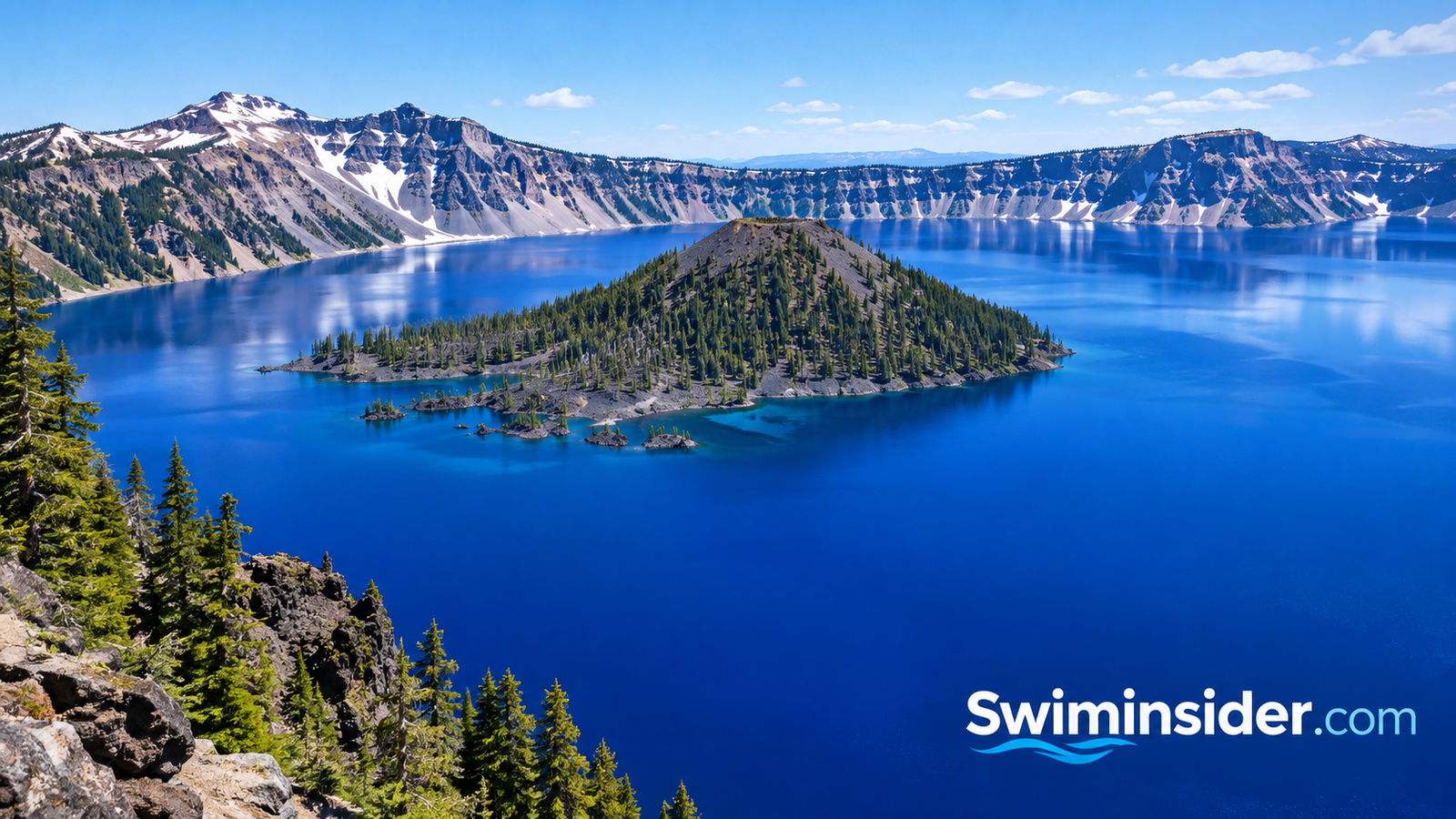
Stand on the rim of Crater Lake for the first time and the color of the water almost does not seem real. It is a deep, glassy blue that looks like someone turned the saturation up. Then a thought arrives, usually within about thirty seconds: could I actually get in that?
You can, but this is not a casual beach day. Swimming in Crater Lake means a steep hike, very cold water, thin mountain air and no lifeguard watching over you. Done with preparation, it is a highlight of any trip to Oregon. Done carelessly, it can turn into a genuinely dangerous afternoon. This guide walks you through the rules, the route, the temperature, the gear and the small decisions that make the difference.
1. The Short Answer: Yes, Swimming Is Allowed
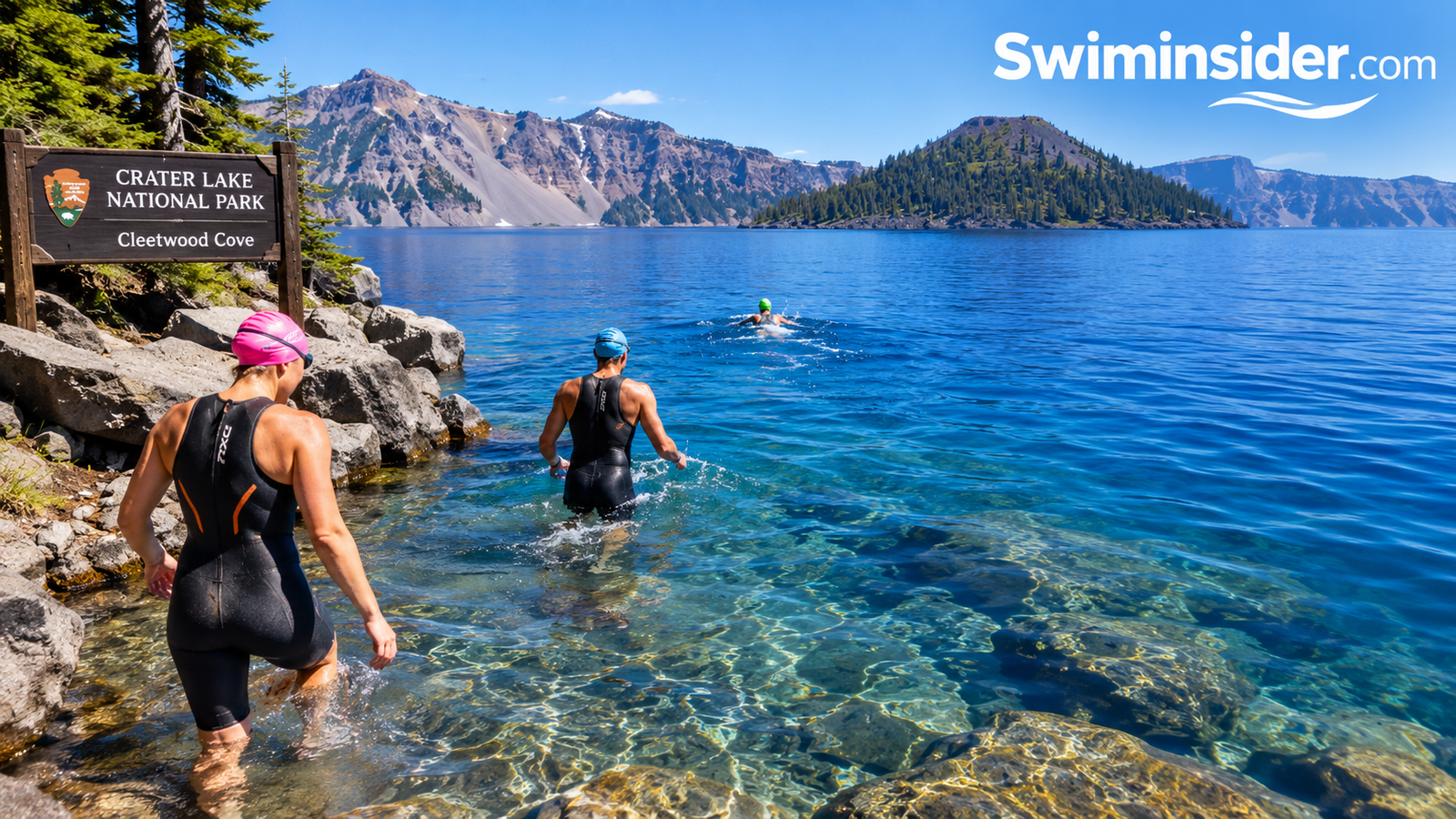
Swimming is permitted in Crater Lake within Crater Lake National Park. You do not need a special swim permit, and you do not need to join a tour. What you do need is a way to reach the water, because the lake sits at the bottom of a steep caldera with cliffs rising on nearly every side. For almost every visitor, the realistic way to get to the shoreline on foot is the Cleetwood Cove Trail on the north side of the lake.
That detail matters more than people expect. You cannot simply pull over at a scenic viewpoint and walk down for a dip. The rim viewpoints are high above the water, and the slopes below them are unstable and closed to visitors. If you see photos of people floating in the lake, they almost certainly came down Cleetwood Cove.
What “allowed” does and does not mean
Allowed means the park does not prohibit it. It does not mean the park recommends it for everyone or that help is nearby. Rangers are not stationed at the water, cell service is unreliable at the bottom of the caldera, and a rescue from the shoreline is slow because everything has to come back up the same trail. Treat the swim as a self-supported outing, much like a backcountry activity.
If you have swum in open water before, you will already know how different it feels from a pool. Cold, depth and the lack of a wall to grab all change your decisions. If open water is new to you, read our guide to the best open water swimming goggles and keep your first Crater Lake swim short and close to shore.
Planning a Crater Lake swim? Start with a proper open water swim kit so the cold does not cut your trip short.
Shop Open Water Swim Gear2. What Makes Crater Lake So Special
Crater Lake formed when a huge volcano, Mount Mazama, collapsed after a massive eruption thousands of years ago. The empty basin slowly filled with rain and snowmelt. Today it is the deepest lake in the United States, with a maximum depth of roughly 1,900 feet, and it sits at an elevation of about 6,000 feet above sea level.
The lake has no rivers flowing into it and none flowing out. Its water comes almost entirely from snow and rain falling directly into the caldera, and it leaves through evaporation and slow seepage. Because there are no streams carrying sediment, nutrients or runoff, the water is remarkably clear. Scientists have measured visibility far deeper than in most lakes in the world, and the intense blue you see comes from that clarity combined with the sheer depth, which absorbs nearly every other color of light.
Why this matters to a swimmer
First, the clarity is unforgettable. With a good pair of goggles you can look down and see rock ledges, drop-offs and the fading blue below you. Some people find this thrilling, and some find it a little unnerving the first time because there is so much empty depth beneath you. Both reactions are normal.
Second, the lake is a protected natural treasure, and its clean water is the reason people come. That is why the park cares about what visitors bring into it, and it is why you should follow the rules covered later in this guide.
Third, the altitude shapes how you feel. At roughly 6,000 feet, there is less oxygen in each breath than at sea level. If you live near the coast, you may notice you tire faster, especially on the hike back up.
| Feature | Crater Lake | Typical Lowland Lake |
|---|---|---|
| Water source | Snow and rain only | Rivers, streams and runoff |
| Clarity | Exceptional, among the clearest in the world | Often murky or tea-colored |
| Depth | Deepest in the United States | Usually shallow to moderate |
| Summer temperature | Cold to very cold | Often comfortably warm |
| Altitude | Around 6,000 feet | Usually much lower |
| Lifeguards | None | Sometimes at public beaches |
Clear water deserves a clear view. A good anti-fog pair of goggles makes the underwater scenery unforgettable.
Browse Anti-Fog Goggles3. Where You Can Actually Enter the Water
The caldera walls are steep, rocky and in many places dangerous. The park does not maintain trails to the water along most of the shoreline, and visitors are not meant to scramble down unofficial routes. Rockfall and loose volcanic soil make that a bad idea even for experienced hikers.
Cleetwood Cove: the main access point
Cleetwood Cove is on the northern side of the lake, off the Rim Drive. It has a trailhead parking area at the top and a shoreline area with a boat dock at the bottom. It is the only trail that lets visitors walk all the way down to the lake. Most swimmers use the rocky shoreline and ledges near the dock area, away from where tour boats load and unload.
What about Wizard Island?
Wizard Island, the cinder cone that rises from the western part of the lake, is reached by a boat shuttle that runs from the Cleetwood Cove dock during the operating season. People do swim near the island’s cove, but that depends on the boat schedule and conditions. Your return trip depends on a boat, so plan carefully and confirm current details with the park before you commit.
Other places you cannot count on
Do not expect to reach the water from the main lodge area, the visitor center or the rim viewpoints. Those places have views, not water access. If a website or a social post suggests otherwise, double check with the National Park Service.
Pros of Cleetwood Cove
- Official, maintained trail to the water
- Easy-to-find shoreline with rock entry points
- Restroom facilities near the trailhead area
- Spectacular scenery all the way down
Cons of Cleetwood Cove
- Steep climb back to the car
- Popular, so parking can fill up on summer afternoons
- Rocky entry, not a sandy beach
- Limited services at the bottom
Rocky entries are rough on bare feet. A pair of grippy water shoes makes getting in and out far easier.
Find Water Shoes4. The Cleetwood Cove Trail: The Hike Before the Swim
The Cleetwood Cove Trail is about a mile long each way, and it drops roughly 700 feet from the trailhead to the water. That might not sound like much on paper, but the trail is steep, the surface can be loose and dusty, and it is all in sun-exposed terrain at altitude. The way down feels easy. The way back up is the part that humbles people.
Going down
The descent switchbacks along the caldera wall with the lake in view almost the whole time. Take your time, watch your footing, and step aside for other hikers. It is tempting to rush because the water looks so close, but a twisted ankle at the bottom of a caldera is a serious inconvenience.
Coming back up
Climbing 700 feet at 6,000 feet of elevation, after a cold swim, in the heat of the afternoon, is tougher than most people anticipate. Allow generous time, rest in the shade where you can, and pace yourself. If you are not used to hiking, give yourself more time than you think you need, and do not plan to climb straight back up right after you finish swimming while you are still shivering and tired. Warm up first, eat something and drink water.
Trail conditions and closures
Snow can keep the trail closed well into early summer, and the trail has at times been closed for construction, repairs or rockfall. Before you drive out, check the National Park Service website or ask at the visitor center so you do not make the trip only to find the trail closed.
Carry your towel, snacks and water comfortably with a lightweight daypack built for steep trails.
Shop Hiking Daypacks5. Water Temperature: What Does It Really Feel Like?
This is the question that surprises people most. In midsummer, the surface of Crater Lake is typically somewhere in the mid-50s to mid-60s Fahrenheit, and it can be a bit warmer in sheltered shallows after a stretch of hot weather. Deeper water is far colder. That is cool enough to feel bracing and cold enough to be risky if you stay in too long.
It is wise to think of it the way you would think of a cold mountain river rather than a summer swimming hole. The first thirty seconds will take your breath away. After a few minutes, many people settle into a rhythm, but the cold keeps working on your body even when you stop noticing it.
How long can you stay in?
That depends on your body, your fitness, your clothing and the weather. Many people in swimsuits find that five to fifteen minutes is plenty. Experienced cold-water swimmers can go longer, and a wetsuit can stretch that considerably. Whatever your plan, set a time limit before you get in and stick to it, because cold can dull your judgment before you realize it.
| What you wear | Comfort level | Suggested time in water |
|---|---|---|
| Regular swimsuit only | Cold, quick dips | Short, a few minutes to start |
| Swimsuit and silicone or neoprene cap | Noticeably better for head warmth | Short to moderate |
| Shorty wetsuit | Comfortable for most swimmers | Moderate |
| Full wetsuit with cap and gloves | Most comfortable, supports longer swims | Longer, with a buddy and common sense |
Signs you should get out
Uncontrollable shivering, numb hands that no longer grip, clumsy strokes, confusion, slurred speech and a sense that you just want to keep going are all signs to head for shore immediately. Cold does not feel dramatic until it suddenly is.
A wetsuit is the single biggest comfort upgrade for cold mountain water. Compare options built for open water.
Compare Swim Wetsuits6. Safety: The Risks You Need to Take Seriously
Crater Lake is beautiful, and it is also unforgiving. Understanding the specific risks is the best way to enjoy it without drama.
Cold water shock
When you enter cold water suddenly, your body can react with an involuntary gasp, a spike in heart rate and rapid breathing. This is the most dangerous moment of a cold swim, especially for people who jump or dive in. Enter slowly, let your breathing settle and keep your face out of the water until it does.
Hypothermia
Your core temperature can drop even on a warm day. The trouble often shows up after you leave the water, when the wind hits wet skin and you still have a climb ahead. Dry off, change into dry layers, drink something warm if you can and give yourself time to recover before you hike up.
No lifeguards, no quick rescue
You are on your own. A buddy is not optional here, it is the standard. Tell someone where you are going, stay within easy reach of the shore and never swim alone.
Cliff jumping and diving
The rocks near the shoreline are tempting platforms, and you will probably see someone jumping. The combination of unpredictable depth near ledges, submerged rocks and cold shock makes this a poor idea. Enter by walking in.
Altitude, sun and dehydration
The sun is strong at elevation, and the cold can hide how dehydrated you are getting. Drink water before and after your swim, wear sunscreen on the trail and keep an eye on how tired you feel.
Weather and sudden changes
Mountain weather can flip quickly. Wind can chop the water and chill you fast. Thunderstorms are possible in the area, so get out of the water and off exposed terrain if one approaches.
Smart habits
- Swim with a buddy
- Enter slowly and breathe
- Use a bright tow float
- Set a time limit in advance
Risky habits
- Jumping from ledges
- Swimming alone
- Ignoring shivering
- Going far from shore
A bright tow float makes you visible and gives you something to grab if you need a rest.
Shop Swim Buoys7. Park Rules and Etiquette: Keep the Lake Clean
Crater Lake is protected for a reason, and the rules exist to keep it that way. Regulations can be updated, so always confirm the latest guidance from the National Park Service or a ranger, but here are the principles to keep in mind.
- Pay the park entrance fee. Swimming does not need a separate permit, but you do need to be in the park legally.
- Use the official trail. Do not scramble down the caldera wall or create shortcuts.
- Do not use soap, shampoo or lotions in the lake. Even small amounts affect the water. Rinse off after, away from the shore.
- Use mineral sunscreen sparingly and apply it well before you get in, or wear sun-protective clothing instead.
- Make sure your gear is clean and dry. The lake is free of many invasive species, and keeping it that way means not carrying in anything that could introduce hitchhikers.
- Pack out everything you bring in, including food wrappers and bottle caps.
- Do not feed or chase wildlife. Chipmunks and birds are bold, but feeding them harms them.
- Check rules for inflatables and personal watercraft before you bring anything beyond swim gear. Private boats are not allowed on the lake.
Etiquette at the shoreline
The shoreline gets busy on sunny days. Keep a respectful distance from the boat dock, stay out of the way of tour boat passengers, keep music low and share the rocks. A little courtesy goes a long way when everybody is trying to get a photo and a dip.
Take care of your gear
After a swim in clean lake water, a quick rinse helps your equipment last. Our guide on how to clean swimming goggles covers simple habits that keep lenses clear and straps in good shape.
Skip the lotion and protect your skin on the trail with mineral sunscreen made for outdoor activity.
Shop Mineral Sunscreen8. The Best Time to Swim in Crater Lake
Crater Lake gets some of the heaviest snowfall in the country, and the winter lingers. The Cleetwood Cove Trail generally becomes usable only after the snow has melted and crews have cleared the route, which often means early to midsummer. The window then runs through the warm months until fall weather returns.
Late summer is usually the sweet spot
By late summer, the surface layer has had time to warm slightly, the days are long and the trail is reliably clear. Early September, when it is open, can offer a nice balance of thinner crowds and still-pleasant air temperatures, though weather can turn.
Time of day
Mid-morning to early afternoon tends to be warmest and brightest, which helps your recovery after the swim. Early morning brings quieter shorelines and calmer water but colder air. Late afternoon hikes back up can be hot and tiring, so leave yourself enough daylight.
Weather matters more than the calendar
A warm, calm day with low wind is far better for swimming than a windy, cloudy one. Check the forecast the morning of your visit, and have a backup plan for the rim drive if conditions are poor. Wildfire smoke can also affect visibility and air quality in summer, so look at current air quality information before you commit to a strenuous hike.
| Period | Trail access | Water feel | Crowds |
|---|---|---|---|
| Early summer | May be limited by snow | Coldest | Moderate |
| Midsummer | Usually open | Cold, slightly warmer surface | Highest |
| Late summer | Usually open | Warmest of the season | Moderate to high |
| Early fall | Depends on weather and park schedule | Cooling again | Lower |
Cool mornings and windy shorelines call for a warm, quick-dry parka or robe to change under.
Shop Swim Parkas9. What to Wear and Bring for a Crater Lake Swim
The right gear turns a shivery, short dip into a relaxed, memorable swim. You do not need a mountain of equipment, but a few well-chosen items will make a big difference.
Swimwear
Wear something you can move in comfortably, since you will be hiking in it or carrying it down. If you are shopping, our roundups of the best swimsuits, the best swimsuit for women and the best swimsuit for men are a good place to start.
Wetsuit or no wetsuit
A wetsuit adds buoyancy and insulation. For swimmers who run cold or want to stay in longer, it is the best upgrade. For a brief dip, many people go without. A shorty can be a nice middle ground if you do not want a full suit on a long hike.
Swim cap
You lose a lot of warmth through your head, and a cap helps. Silicone caps are durable and easy to care for, while neoprene caps offer real insulation. If you are unsure which material fits your needs, read our breakdown of silicone vs latex swim caps and the roundup of the best swim caps for open water. Swimmers with long hair will appreciate the tips in our guide to the best swim caps for long hair.
Goggles
The clarity of the lake makes goggles worthwhile. Look for a comfortable seal and reliable anti-fog treatment. Our guides on the best swimming goggles, best anti-fog swimming goggles and best swimming goggles that don’t leak can help you choose. If you are not sure where to begin, how to choose swimming goggles walks through fit and lens types. Bright sun on the water can be intense, so polarized swimming goggles are worth a look, and if fogging is a recurring headache, here is how to stop swimming goggles fogging.
Ear and nose protection
Cold water in the ear canal can be uncomfortable and may cause dizziness. Consider ear plugs for swimmers, and read about how to prevent swimmer’s ear. If water up the nose bothers you, check the best nose clips for swimming.
On the trail
Bring a quick-dry towel, a warm layer, sunscreen, a hat, snacks and plenty of water. A small dry bag keeps your phone and keys safe.
Smartwatches
If you want to log your swim, you may be wondering whether your device can handle it. Here is what you should know about whether you can swim with your Apple Watch.
Neoprene gloves and a cap make a surprising difference in how long you can comfortably stay in.
Shop Neoprene Swim Cap and Gloves10. How to Swim Crater Lake the Smart Way
A good plan before you get in will make the swim safer and a lot more fun. Here is a simple approach that works for most visitors.
- Acclimate on the shore. Splash your face, arms and neck before you wade in.
- Walk in gradually. Pause at knee level, then waist level, and breathe slowly.
- Start with a short loop. Stay parallel to the shoreline within easy reach of the rocks.
- Mix swimming and floating. Float on your back to take in the rim above you, and keep moving enough to stay warm.
- Keep your buddy in sight. Agree on a signal for getting out.
- Exit before you feel you have to. Leave while you still feel good.
- Warm up immediately. Towel off, put on dry layers and eat something.
Do not swim across the lake
It might seem like an epic goal to swim out to Wizard Island, but the lake is wide, cold and exposed. That is not a casual swim, and without support it is dangerous. Keep your swimming near the shore.
Pay attention to wind
The lake can pick up wind and chop surprisingly fast. If waves start building, head back in. Swimming against a headwind in cold water is exhausting.
Triathletes and distance swimmers
If you are an endurance swimmer eyeing the lake as a training destination, you will want proper equipment and support. Check out the best triathlon swimming goggles for race-style fit, and remember that Crater Lake is not a place for solo long-distance attempts.
Hands-free safety and visibility: a swim buoy or tow float is a favorite among open water swimmers.
Shop Safety Buoys11. Kids, Beginners and Families
Families do visit Cleetwood Cove, but this is not the easiest outing for little ones. The trail is steep, there is no lifeguard and the water is very cold. Whether it works for your family depends on your kids’ ages, hiking stamina and comfort in water.
Children
Younger children get cold faster than adults and tire more quickly on the climb. If you decide to bring them, keep wading and swimming brief, stay within arm’s reach, and bring warm clothes and snacks. A life jacket worn at the shoreline is smart for kids who are not strong swimmers. Good goggles help children feel confident, so see our picks for the best swimming goggles for kids. If you are still building their water skills before a trip, our guide on how to teach kids to swim is a helpful place to begin.
Beginners
If you are not yet a confident swimmer, Crater Lake is probably not the place to practice. Build skills in a pool or a calm, warm, shallow lake first. If you still want to experience the lake, wading at the shoreline and enjoying the view from the rocks can be just as rewarding.
Mobility and fitness considerations
Anyone with heart conditions, breathing issues, joint problems or difficulty with steep terrain should think carefully about the climb. If you have health concerns, talk to a medical professional before attempting the hike and swim.
Good fit for
- Confident swimmers who like cold water
- Hikers comfortable with steep trails
- Families with older, active kids
Think twice if
- You are a beginner swimmer
- You have small children who tire easily
- You are not able to climb steep trails
Keep kids comfortable and safe at the shoreline with a properly fitted youth life jacket.
Shop Kids Life Jackets12. Alternatives and Planning Your Trip
Not every visitor can or wants to swim in Crater Lake, and that is fine. There are other ways to enjoy the water and the area.
Take the boat tour
When it is operating, the boat tour from Cleetwood Cove offers a chance to see the lake from the water, and some tours stop at Wizard Island. Schedules, availability and prices change, so confirm details with the park or the concessioner before you plan around it.
Drive the rim
Rim Drive circles the lake, with overlooks at every turn. You do not need to get in the water to see why the place is so famous.
Warmer swimming nearby
If you want a more relaxed swim, there are other lakes in southern Oregon that tend to be warmer and easier to access than Crater Lake. Look for ones with developed swim areas and check local conditions. For those who want to sharpen their pool skills before the trip, our best swimming goggles for lap swimming and most comfortable swimming goggles roundups can help you train comfortably.
A simple trip plan
- Check park conditions and Cleetwood Cove Trail status before you travel.
- Arrive early to find parking and avoid the afternoon heat on the climb.
- Pack your swim kit, warm layers, snacks and plenty of water.
- Bring a buddy and agree on a time limit.
- Swim near shore, then dry off, warm up and hike out slowly.
- Leave the shoreline clean and carry out everything you brought.
Finish strong: a quick-dry travel towel and an insulated bottle make the hike back up more comfortable.
Shop Quick-Dry TowelsFrequently Asked Questions
Can you swim in Crater Lake?
Yes. Swimming is allowed in Crater Lake within the national park. Most visitors get to the water via the Cleetwood Cove Trail. There are no lifeguards, so you swim at your own risk and should take safety seriously.
Do you need a permit to swim in Crater Lake?
No separate swim permit is generally required. You do need to pay the park entrance fee, and you should check with the National Park Service for the latest rules before you go.
How cold is the water in Crater Lake?
In summer, the surface is typically somewhere in the mid-50s to mid-60s Fahrenheit, and it can feel colder because of wind and altitude. Deeper water is much colder. Expect a real cold-water shock when you first enter.
Where can you swim in Crater Lake?
The main access point is the shoreline at Cleetwood Cove, reached by a steep trail of about a mile each way. Wizard Island is reachable by boat when the shuttle runs. Other parts of the shoreline are not accessible by maintained trails.
How long is the hike to the water?
The Cleetwood Cove Trail is about a mile long each way and drops roughly 700 feet. The climb back up is the hardest part, especially at altitude and after a cold swim.
Is there a lifeguard at Crater Lake?
No. There are no lifeguards. Always swim with a buddy, stay near the shore and use a visible tow float if you can.
Do you need a wetsuit to swim in Crater Lake?
It is not required. Many people take a quick dip in a swimsuit, but a wetsuit makes the swim much more comfortable and helps you stay in longer. A neoprene cap and gloves also help.
Can you jump or dive into Crater Lake?
It is not recommended. Cold water shock, submerged rocks and changing depth near ledges make jumping and diving dangerous. Walk in gradually instead and follow any posted guidance.
When is the best time to swim in Crater Lake?
Late summer is often best, when the trail is clear and the surface water is at its warmest. Snow can keep the trail closed in early summer, so check conditions before you go.
Can kids swim in Crater Lake?
Kids can wade and swim briefly if they are comfortable in cold water and strong enough for the hike. Keep them close, consider a life jacket and bring warm clothing. The steep climb can be tough on young children.
Can you bring a boat, kayak or paddleboard on Crater Lake?
Private boats are not allowed on the lake. Check the National Park Service for current rules about inflatables or flotation devices before you bring anything beyond standard swim gear.
Can I use soap or sunscreen in the lake?
Avoid soap, shampoo and lotions in the water. Apply mineral sunscreen well before you get in, or wear sun-protective clothing to keep the lake as clean as possible.
Conclusion: Is Swimming in Crater Lake Worth It?
For the right person, absolutely. Few swims offer this kind of scenery, clarity and sense of occasion. You hike down a volcanic caldera, step into impossibly blue water, float beneath towering rim walls and then earn the view all over again on the climb out.
The key is respect. Plan for cold water, steep terrain, altitude and the lack of lifeguards. Bring a buddy, keep your swim short and close to shore, protect the lake from soap and gear contamination and leave yourself plenty of time and energy for the hike back up. If you do those things, you will almost certainly come away with one of the best swimming stories of your life.
Before you go, brush up on performance swimwear if you plan to swim hard, and double-check your gear so the trip goes smoothly.
Ready for your Crater Lake swim? Gear up with everything you need for cold, clear mountain water.
Shop Swim Essentials