Can You Swim in the Great Salt Lake? What to Know Before You Float
Yes, you can swim in the Great Salt Lake, though “swim” is generous. The water is so salty that you bob like a cork, and the lake’s quirks (bugs, smells, shallow mud flats, and shifting shorelines) turn a simple dip into a memorable outing. This guide covers what it feels like, where to go, how to stay safe, and what to bring.
1. The Short Answer: Yes, and You’ll Float
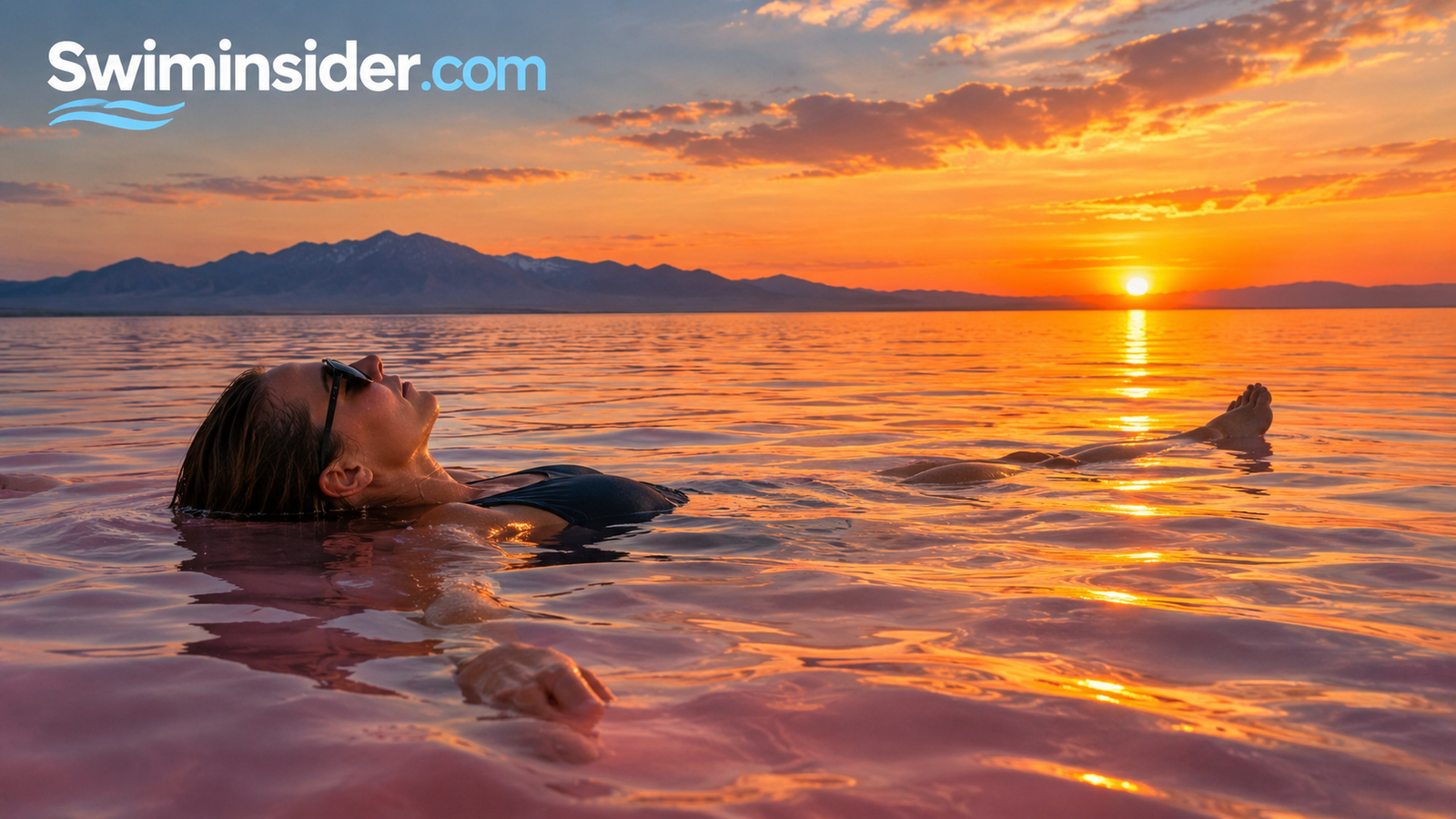
Nobody stops you from wading or floating in the lake, and plenty of visitors do it every summer. The high salt content makes you far more buoyant than in a pool or freshwater lake, so staying on the surface takes almost no effort. What you won’t do is swim laps. Kicking and pulling send brine into your eyes and mouth, and the shallow, muddy shoreline makes real strokes awkward.
What “Swimming” Really Means Here
If you picture a long, smooth freestyle set, adjust your expectations. In practice, most visitors wade out until the water is knee or waist deep, lean back, and let the lake hold them up. Some paddle gently or roll over for a few easy strokes, but the water is thick enough that every motion feels slower and heavier than it does in a pool. That is part of the charm, and it is also why the lake suits curious travelers far more than serious lap swimmers.
Who Will Enjoy It Most
Families on a road trip, photographers, bird lovers, and anyone who has always wanted to try floating in very salty water tend to enjoy the experience most. Strong swimmers get a fun novelty, and nervous swimmers get an easy introduction to staying on top of the water. People who dislike strong smells, insects, or muddy feet may find it less appealing, so it helps to know what you are signing up for before you go.
A Realistic Mindset
The best visits start with modest goals: get in the water, float, take a few photos, rinse off, and enjoy the scenery. Treat the lake as a destination for the experience and not for exercise, and it rarely disappoints.
Brine stings. A good pair of goggles keeps your eyes comfortable.
Shop Swim Goggles on Amazon2. Why the Great Salt Lake Is So Salty
The lake is a terminal basin: rivers and streams flow in carrying dissolved minerals, but no outlet carries them out. Water leaves only by evaporation, so salts keep concentrating. Over thousands of years that process has turned the lake into one of the saltiest large bodies of water in the Western Hemisphere. The salinity also shifts with lake level. In wetter periods the water dilutes, and in dry spells it gets saltier.
A railroad causeway also divides the lake into two arms, which sets up very different conditions on either side (more on that next).
A Leftover of an Ancient Giant
The Great Salt Lake is what remains of a much larger prehistoric lake called Lake Bonneville, which once covered a huge portion of what is now northwestern Utah. As the climate warmed and dried, that giant lake shrank, leaving behind a smaller, saltier basin. Rivers such as the Bear, Weber, and Jordan still feed the lake with fresh water, but each one also delivers a small load of dissolved minerals.
The Evaporation Engine
Because the lake has no outlet to the ocean, the water that arrives can only leave as vapor. Think of it like a pot of salted water on a stove: the water boils away while the salt stays behind, and over time the mixture grows more concentrated. Hot, dry summers speed this up, which is why the lake’s salinity swings from season to season and year to year.
Why That Matters for You
The salt concentration affects everything a visitor notices: how buoyant you are, how the water smells, how the shoreline looks, and which creatures can live there. Understanding the basics makes it easier to plan, since a lower lake can mean saltier water, longer mud flats, and a different feel from one visit to the next.
Salt and sun are hard on skin and gear. Stock up on essentials.
Browse Swim Gear on Amazon3. North Arm vs. South Arm
The causeway restricts water exchange, so the north arm (Gunnison Bay) is much saltier than the south arm (Gilbert Bay), where the popular access points sit. Most visitors swim in the south.
| Feature | South Arm | North Arm |
|---|---|---|
| Salinity | High; varies with lake level | Near saturation; saltier than the south |
| Access | Public beaches and marinas | Remote, limited access |
| Wildlife | Brine shrimp, brine flies, migratory birds | Mostly salt-loving microbes |
| Best for | Casual floating | Not recommended for visitors |
The Causeway Effect
A rock-fill railroad causeway built decades ago cuts across the lake and limits how freely water moves between the two halves. Most of the inflow from rivers enters the south arm, which keeps it relatively less salty, while the north arm receives much less fresh water and keeps concentrating. The result is two quite different environments inside one lake, with the north arm often looking pinkish or reddish because of salt-loving microbes.
Why Visitors Stick to the South
The south arm has the roads, parks, marina, and beaches, so nearly every recreational swim happens there. Even in the south, the water is often several times saltier than the ocean. The north arm is remote, harder to reach, and not set up for casual swimmers, though it is home to landmarks such as the famous Spiral Jetty art installation, which is worth a look from the shore if you are in the area.
Planning Around Conditions
Because levels and salinity change, check recent park reports or call ahead if you can. A quick look at current conditions can tell you whether the beach is easy to reach or whether you will face a long walk across mud.
Heading out for open water? Visibility and fit matter.
See Open Water GogglesIf you want options, our guide to the best open water swimming goggles covers fit and lens choices for lakes.
4. What Floating Feels Like
Expect to sit high in the water, almost as if in a reclining chair. Your legs and torso rise on their own, so floating on your back is easy even for non-swimmers. Because you’re so buoyant, your feet can pop up unexpectedly if you try to stand in deeper water, which makes walking in a few feet of water feel odd.
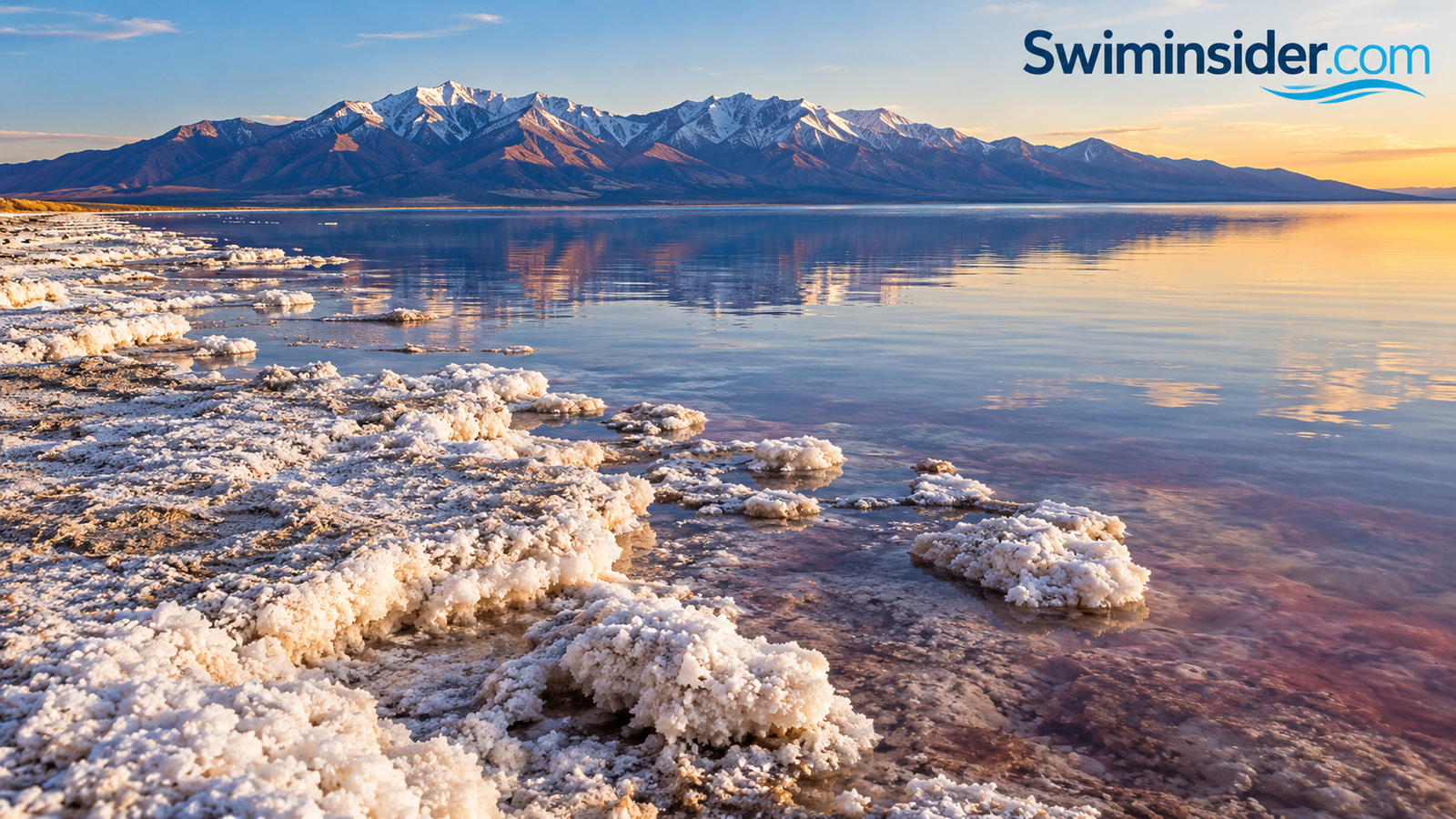
The water also has a slick, oily feel from dissolved minerals, and it dries into a gritty white crust on your skin. Kids tend to love the sensation, but they need close supervision. If you are bringing little ones, brush up with our guide on how to teach kids to swim first, since buoyancy can give a false sense of security.
The First Thirty Seconds
Most people laugh the first time they lean back. Your hips lift, your feet bob up, and you realize you are barely touching anything. The sensation feels a bit like lying on a giant, invisible air mattress. If you try to sit upright, you may find your legs floating behind you, so it takes a moment to find a comfortable position.
Texture, Temperature, and Taste
The water often feels slightly slick, and the salt crystallizes quickly as it dries. Temperatures vary with the season; summer water can be pleasantly warm, while spring and fall can feel much cooler. Even a tiny splash that reaches your lips tastes intensely salty and bitter, which is a good reminder to keep your face dry.
Floating With Kids and Friends
Kids usually love the buoyancy and spend ages testing how easy it is to stay up. Adults tend to take photos, float side by side, and compare how bizarre it feels. The key is to move slowly, avoid splash fights, and keep everyone’s hands away from their eyes.
When to Get Out
If your skin starts to sting, your eyes burn, or a headache creeps in, head for shore. A short, comfortable float beats a long, miserable one every time.
Salt crust and sunburn go together. Be ready for both.
Shop Sunscreen on Amazon5. Where to Get In the Water
Several public sites on the south shore offer access, including the Great Salt Lake State Park area near the marina, Antelope Island State Park, and the historic Saltair shoreline. Access and water levels change from year to year, so beach conditions vary. Low water can leave long stretches of mud or exposed lakebed between the parking area and the waterline.
- Antelope Island: scenic beaches, bison, and views, plus showers at some sites.
- Marina area: convenient parking and facilities.
- Saltair: classic shoreline with sweeping views.
Always check the current park website for beach access, advisories, and fees before you drive out.
Antelope Island State Park
Antelope Island is a favorite for good reason. A causeway road leads out to the island, where you can pair a float with sweeping views, hiking trails, and the chance to spot the island’s well-known bison herd and other wildlife. Beach areas often have rinse-off facilities, which makes cleanup easier, though you should always confirm what is open before you arrive.
The State Park and Marina Area
The marina area on the south shore is another convenient option, with parking and basic amenities. Its main appeal is easy access, though water levels strongly influence how close you can get to the water and how muddy the shoreline feels.
Saltair and the Historic Shoreline
Saltair carries a lot of nostalgia, since the lake has attracted bathers for generations. The shoreline provides dramatic views of the water and the surrounding mountains, but conditions vary a lot, so check current access before you plan around it.
Before You Drive Out
Fees, hours, beach closures, and water advisories can change, so use official park websites. Also plan for little shade, strong sun, and a bit of a walk from the parking area to the water.
Muddy shorelines call for the right footwear and a towel setup.
Shop Water Shoes on Amazon6. Best Time to Go
Late spring through early fall is the most comfortable window. Summer brings warm air and water but also the most brine flies and strong sun. Early morning and evening are cooler, calmer, and prettier, with softer light for photos. Winds can kick up quickly in the afternoon and whip the shallow lake into chop, so earlier is usually better. Avoid thunderstorm days entirely, because open shorelines offer no cover.
Season by Season
Spring brings migrating birds and cooler water, though winds can be strong. Summer offers the warmest water and the longest days, along with heat, strong sun, and the heaviest brine fly activity. Early fall is often a sweet spot: warm enough to enjoy the water, with fewer crowds and softer light. Winter is cold and not suited to swimming.
Time of Day
Early morning is usually the best option. The air is cooler, the wind is lighter, and the water often looks like glass. Evenings can also be lovely, with sunsets that turn the lake gold and pink. Midday is the hottest and brightest stretch, and afternoon gusts can kick up choppy water.
Weather Checks
Check the forecast for wind, lightning, and heat. Open shoreline offers almost no shelter, so skip the trip if storms are expected. On very hot days, bring extra drinking water, since heat and salt together dehydrate you faster than you might expect.
Pack for heat, wind, and glare.
Shop Sunglasses on Amazon7. Safety and Health Considerations
Pros
- Effortless buoyancy
- Unique, memorable experience
- Great scenery
Cons
- Salt stings eyes and cuts
- Swallowing water is risky
- Mud, bugs, and odor
Keep your head above water, don’t dive in, and never swallow the water. Salt in the eyes can hurt badly, so rinse with fresh water right away. Cover or avoid the water if you have open cuts or fresh scrapes, since brine burns. Watch for posted advisories, as algal blooms can sometimes affect water quality. Also, don’t drink the water or let kids do so, because it can cause stomach upset and dehydration.
Because it’s so easy to float, never leave children unattended, and consider a life jacket for non-swimmers. Pay attention to wind: floating can carry you farther from shore than you expect.
Eyes and Mouth
Salt water in the eyes causes sharp, immediate pain. If it happens, walk calmly out of the water and flush your eyes with clean fresh water. Keep your mouth closed as much as possible, and do not let anyone drink the water, since swallowing a lot of concentrated brine can cause nausea and dehydration.
Cuts, Scrapes, and Skin
Brine finds every tiny scratch, and it stings. If you have fresh cuts, shaved skin, or sunburn, expect discomfort, and consider skipping the water. Rinse thoroughly afterward, since leftover salt can leave skin itchy and dry.
Water Quality and Air Quality
Algal blooms and other conditions can occasionally trigger advisories, so look for posted notices and check official sources before you go. Low lake levels can also expose dry lakebed, and wind can lift dust, so people with breathing sensitivities may want to check conditions and choose calmer days.
Supervision and Heat
Children and weaker swimmers should wear life jackets even though the water feels easy to float in. Heat, glare, and salt combine to tire people quickly, so schedule shade breaks and keep drinking fresh water throughout the day.
A first-aid kit and fresh water are smart additions.
Shop Safety Supplies8. Bugs, Smells, and Wildlife
Brine flies are the headline. They gather in huge numbers along the shore and mostly just buzz away as you walk, as they don’t bite. Brine shrimp live in the water and feed the birds that migrate through by the millions. The lake can also smell sulfurous, especially near exposed mud and decaying algae, so don’t be surprised. The scent is a normal part of the lake ecosystem, though it’s not for everyone.
Brine Flies
Brine flies are small, dark insects that gather along the shoreline in dense clouds. They do not bite, and most simply lift off as you walk, creating a rippling black wave in front of your feet. If you are squeamish, it can feel startling, but it is harmless and part of the lake’s ecology, since the flies feed countless birds.
Brine Shrimp
Brine shrimp are tiny crustaceans that thrive in the salty water. They are an important food source for migrating birds, and their eggs are also harvested commercially. You may spot them in the water, but they pose no threat to swimmers.
Birds and Other Wildlife
The lake is a major stopover for huge numbers of shorebirds and waterfowl, so bring binoculars if you enjoy birding. Keep your distance and avoid disturbing nesting or resting birds.
Why It Smells
The sulfur smell comes from natural processes involving algae, bacteria, and mud. It tends to be stronger in warm weather and near shallow, muddy areas. A light breeze or a different beach can make a big difference.
Keep insects off your gear and your snacks.
Shop Repellent on Amazon9. Protecting Your Eyes, Ears, and Skin
Eyes come first. Goggles are the single best investment; for tips, see our overview of the best swimming goggles and our walkthrough on how to choose swimming goggles. If you wear lenses, read can you swim with contacts, because salt water and lenses are a poor mix.
A nose clip keeps brine from stinging your sinuses (see the best nose clips for swimming), and ear plugs help too. Our guides on ear plugs for swimmers and how to prevent swimmer’s ear are worth a read. For skin, apply sunscreen before you go and rinse promptly afterward, because dried salt irritates.
Goggles Are Your Best Friend
Brine hurts, and goggles are the simplest defense. Choose a pair that seals comfortably without squeezing, and consider tinted or polarized lenses, since the lake surface and salt flats are bright. Rinse the goggles in fresh water afterward so the salt does not crust on the seals.
Ears and Nose
Salt in the ears can leave them uncomfortable, so ear plugs are a smart addition, especially for people who are prone to ear trouble. A nose clip can also make floating more comfortable by keeping brine out of your sinuses.
Skin and Hair
Apply water-resistant sunscreen before getting in, and reapply afterward if you stay out. A swim cap helps protect long hair from the stiff, salty feel that otherwise lingers. After your float, rinse everything thoroughly, then moisturize your skin, since salt dries it out.
Contact Lenses
If you wear lenses, it is generally safest to remove them or wear goggles, since lake water can irritate eyes and lenses together. Ask your eye doctor if you are unsure.
Protect eyes, ears, and nose in one shopping trip.
Shop Ear Plugs and Nose Clips10. What to Pack and Wear
| Item | Why it helps |
|---|---|
| Goggles | Blocks stinging brine |
| Swimsuit you don’t love | Salt and minerals can leave residue |
| Water shoes | Protects against mud and crusty salt |
| Fresh water jugs | For rinsing eyes, skin, and gear |
| Towels and a change of clothes | Salt dries gritty |
| Swim cap | Keeps salt out of long hair |
Pick a durable suit; our swimsuit picks are a good place to start. A cap helps too, and our roundups of swim caps and open water caps make choosing easier. After you’re done, rinse your goggles, using this guide on how to clean swimming goggles.
Clothing Choices
Wear a swimsuit you do not mind exposing to salt, minerals, and mud, and bring a cover-up or light layer for the walk back to the car. Fabrics that dry quickly are especially helpful, since salt feels gritty in damp cloth.
Footwear
Water shoes or old sandals protect your feet from sharp salt crust and slippery mud. Flip-flops can get stuck in the muck, so choose a strap that stays on.
Comfort and Cleanup Kit
Bring several gallons of fresh water for rinsing, a big towel, a spare change of clothes, and a bag for wet or salty items. Pack extra towels, since you will want one for your car seat. Add sunscreen, a hat, sunglasses, and snacks, as there may be few services close to the water.
For Photos
A waterproof phone pouch or a camera strap helps if you want pictures while floating. Keep electronics away from the water and wipe them off if they get splashed, since salt can corrode ports and buttons.
Everything on this list is a few taps away.
Shop Swimsuits and Caps11. Your Visit Plan: Before, During, After
Before
Check the park website for access and advisories, and bring plenty of drinking water. Apply sunscreen early.
During
Walk in slowly, lie back, and float. Keep splashing minimal, and avoid putting your hands near your face. Limit time in the water to about 15 to 20 minutes.
After
Use the freshwater showers if available, or rinse with the water you brought. Rinse hair, ears, and any cuts, and change into dry clothes. Wash your suit and gear when you get home.
The Night Before
Check conditions, pack your bag, and fill water jugs. Charge your phone and decide which beach you will visit, with a backup in case access is limited.
Arriving
Park, apply sunscreen, and walk down to the shoreline with your bag of essentials. Pick a spot away from the thickest clouds of flies, and set up a towel station where you can easily rinse off later.
In the Water
Enter slowly, keeping your face dry. Lean back and enjoy the float. Agree on a time limit and stick to it, and keep an eye on children and on how far the wind is drifting you.
Cleanup
Rinse your face, hair, ears, and body with fresh water as soon as you leave the lake. Change clothes, drink water, and rinse your goggles and suit when you get home. Brush off your towels and shoes to cut down on gritty salt in the car.
Rinse well and bring a spare towel for the ride home.
Shop Quick-Dry Towels12. Great Salt Lake Compared to Other Famous Waters
People often compare the lake to the Dead Sea, which is saltier still and also famous for effortless floating. If you like unusual swimming spots, you might also enjoy reading can you swim in Crater Lake, which is the opposite experience: deep, cold, and fresh.
| Water | Salt level | Feel |
|---|---|---|
| Great Salt Lake (south) | Very high | Buoyant, shallow, buggy shoreline |
| Dead Sea | Extreme | Even more buoyant, oily feel |
| Ocean | Moderate | Waves, currents, mild buoyancy |
| Crater Lake | Fresh | Cold, deep, clear |
Dead Sea Comparison
The Dead Sea is much saltier, and its water is famously dense and oily. Floating there is even easier, but the Great Salt Lake is far more accessible for many travelers in the western United States, and it adds the wildlife and scenery of a major migratory bird stop.
Ocean and Freshwater Lakes
The ocean is salty but still allows regular swimming, and you will notice waves, currents, and tides that the Great Salt Lake lacks. Freshwater lakes need more effort to stay afloat, but they are gentler on eyes and skin and allow normal strokes.
Choosing the Right Experience
If you want a distinctive float and a story to tell, the Great Salt Lake delivers. If you want a long, comfortable swim, a pool, a freshwater lake, or the ocean is a better fit. Many travelers combine the two, floating for a short time and then continuing their trip with a proper swim elsewhere.
Planning more adventures? Gear up once and use it everywhere.
Shop Open Water EssentialsFrequently Asked Questions
Can you swim in the Great Salt Lake?
Yes. Most people float and wade rather than swim laps, since the heavy brine makes strokes awkward.
Is it safe to swim in the Great Salt Lake?
Generally yes for short dips, if you keep water out of your eyes and mouth, avoid cuts, and check current advisories first.
Can you sink in the Great Salt Lake?
Very unlikely. The salt makes you extremely buoyant, which is why floating feels almost effortless.
Why can’t you swim normally there?
You ride so high that your legs float up and splashing sends salt into your face, so regular strokes feel clumsy.
Does the lake smell?
Sometimes. Sulfur odors are common near mud flats and algae, especially in warm weather.
Do the brine flies bite?
No. They swarm in large numbers along the shore but are harmless and scatter as you walk.
Can kids swim in the Great Salt Lake?
Yes, with close supervision. Buoyancy can lull parents into relaxing, so keep kids within arm’s reach and use life jackets for non-swimmers.
Should I wear goggles?
Yes. Brine in the eyes hurts, and goggles are the simplest protection.
How long should I stay in the water?
About 15 to 20 minutes is plenty. Salt can irritate skin and dehydrate you.
Do I need to shower afterward?
Definitely. Rinse off all the salt and minerals with fresh water as soon as you can.
Can you drink the lake water?
No. It is far too salty and can make you sick.
What’s the best time to visit?
Early morning or evening in late spring through early fall, when it’s calmer and cooler.
Conclusion
Swimming in the Great Salt Lake is less about exercise and more about a one-of-a-kind sensation: lying back and being held up by water so salty it feels unreal. Go early, protect your eyes, keep your visit short, rinse off well, and you’ll leave with a great story and a gritty-white souvenir on your skin.
Ready to gear up for your float?
Shop Swim Essentials on Amazon