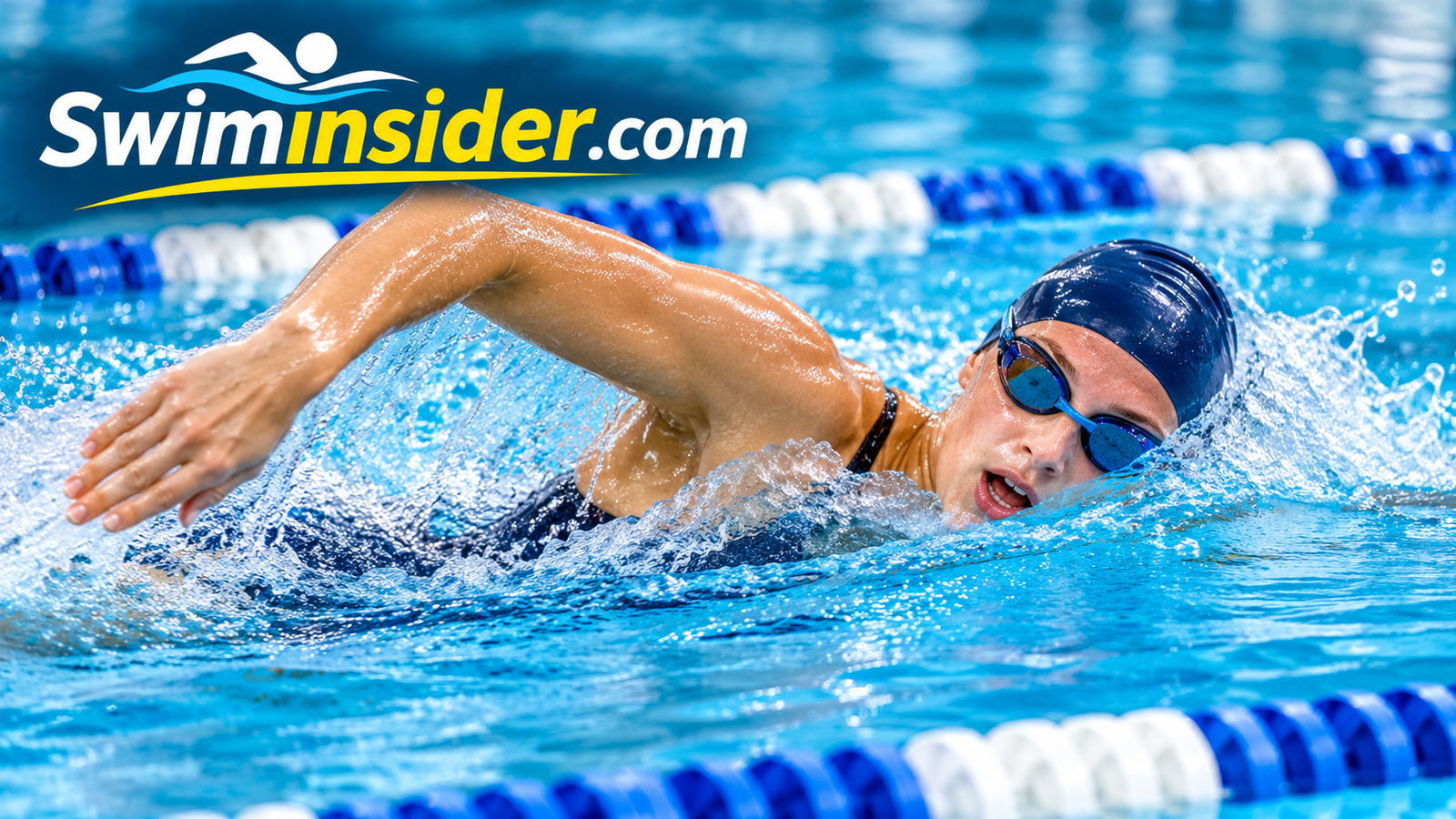
Is Swimming Good for Weight Loss? An Honest, Deep-Dive Answer
Swimming burns serious calories, spares your joints, and works nearly every muscle you own — but it also has a sneaky habit of making people ravenous. Here is the full picture, the workout math, and a realistic plan you can actually stick with.
If you have ever hauled yourself out of a pool feeling both peaceful and oddly exhausted, you already know that swimming works the body differently from anything on dry land. The question people ask constantly is simple: is swimming good for weight loss? The honest answer is yes — with a couple of important asterisks that most articles skip entirely.
Swimming is one of the very few forms of exercise that combines near-total-body muscle recruitment, a genuinely high energy cost, zero impact on your joints, and a cooling effect that lets you train hard for longer than you could in a hot gym. For a lot of people, especially anyone carrying extra weight, dealing with knee or back pain, recovering from injury, or simply bored of the treadmill, the pool turns out to be the exercise they can actually keep doing month after month. Consistency beats intensity every single time when fat loss is the goal.
But swimming also carries a well-documented quirk: many swimmers leave the pool ravenous, and a surprising number eat back everything they burned — and then some. Add to that the fact that your body becomes dramatically more efficient in the water over time, and the same thirty-minute swim that torched energy in week one can become a rather comfortable float by month four. Fat loss in the pool is not automatic. It is engineered.
This guide walks through the whole thing properly: how the calorie burn actually works, how swimming compares with running and cycling, which strokes and set structures produce the best fat-loss results, how to eat around your sessions without losing your mind, the mistakes that quietly stall progress, and the gear that makes showing up easier. Think of it as the complete manual for turning pool time into measurable change.
Key Takeaways Up Front
- Yes, swimming works for fat loss — it can burn a substantial number of calories per session and recruits the back, shoulders, core, glutes, and legs at once.
- Low impact is the superpower. Water supports most of your body weight, which means heavier beginners and people with joint pain can train consistently where running might sideline them.
- Intensity is everything. Steady, gentle laps produce modest results. Intervals, drills, and progressive sets are what move the needle.
- Appetite is the trap. Cold water and hard effort can spike hunger. Fuel deliberately before and after sessions.
- Efficiency cuts both ways. As your technique improves, you burn fewer calories at the same pace — so the training plan has to keep evolving.
- Nutrition decides the outcome. Swimming creates the deficit; food determines whether that deficit actually happens.
Start With a Pair of Goggles You Actually Like
Nothing derails a new swim habit faster than foggy, leaking goggles.
Check Goggle Prices on AmazonThe Short Answer: Why Swimming Works So Well for Weight Loss
Let’s deal with the headline question first, because you deserve a straight answer before the details. Swimming is genuinely good for weight loss, and for a large slice of the population it is arguably the single best option available. The reason is not magic. It comes down to three things happening at once: a high energy cost per minute, recruitment of a huge amount of muscle, and an environment that lets you train hard with almost no wear and tear on your joints.
Consider what a swim stroke demands. To move through water you must overcome drag, which is roughly eight hundred times more resistance than air. Your arms pull, your shoulders stabilize, your core braces to stop your body from fishtailing, and your legs kick while your glutes and hip flexors keep everything aligned. Compare that with a typical elliptical session, where the upper body barely participates and the movement is guided along a fixed path. Swimming is closer to a full-body strength-endurance session than to a light cardio workout.
Low impact, high return
The buoyancy of water is the feature that changes everything for beginners. Submerged to your chest, you carry only a fraction of your usual body weight through each movement. Ankles, knees, hips, and the lower back are spared the pounding they would take from running or high-impact aerobics. That means fewer forced breaks, fewer flare-ups of old injuries, and — critically — far fewer reasons to quit.
There is also a comfort factor that never shows up in calorie charts. You sweat less, you overheat less, and the rhythmic, quiet nature of swimming makes it unusually tolerable for people who dislike exercise. If you have ever abandoned a running program after three weeks of sore shins, that psychological difference matters more than any training variable.
Where the asterisks come in
Three caveats deserve real attention. First, efficiency: as your stroke improves, you cover the same distance with less effort. A beginner thrashing through a length might burn more calories than a smoother swimmer at the same speed, simply because the beginner is fighting the water harder. Your plan must get harder as you get better.
Second, appetite. Research on swimming and hunger is genuinely mixed, but the practical experience of most coaches is consistent: hard or cold sessions can leave people hungrier than an equivalent run would. Section nine covers how to manage it.
Third, calorie math. Fat loss still requires an energy deficit. Swimming creates the “burn” side of the ledger; it cannot rescue a diet that has quietly expanded to match it. The people who succeed in the pool are the ones who treat nutrition as part of the workout, not as a reward after it.
Who swimming suits best
- Anyone carrying significant extra weight, for whom running would be uncomfortable or risky for the joints.
- People with knee, hip, or back issues who still want a demanding cardiovascular workout.
- Older adults looking to maintain muscle, balance, and cardiovascular health without impact.
- Anyone who is heat-sensitive, gets bored easily, or needs an activity that doubles as stress relief.
- Cross-trainers who want a second sport to complement lifting, running, or cycling without adding fatigue to the legs.
One note for anyone managing a medical condition, returning from surgery, or who is pregnant: get clearance from your doctor before starting. The pool is gentle, but it is still demanding work, and the chlorine, heat, and exertion deserve the same respect as any other training environment.
Train in Comfort
Well-fitting suits make long sessions far more pleasant.
Shop Training Swimsuits on AmazonHow Swimming Burns Calories — and What Really Determines the Number
Ask ten swimmers how many calories a session burns and you will get ten wildly different numbers. That is not because anyone is lying. It is because the figure depends on a stack of variables that change from person to person and from day to day. Understanding those variables is the difference between guessing and training with intent.
Why water is such a demanding medium
Three properties make water expensive to move through. It is dense, so pushing a limb forward means pushing water out of the way. It is resistive in every direction, so a kick or pull is loaded through the full range of motion, not just on the way down. And it is an excellent conductor of heat, meaning your body works harder to maintain core temperature than it would in air at the same effort level.
That last point is underrated. Even in a comfortable-looking pool, your body is quietly spending energy on thermoregulation. Cooler water raises that cost further, which is one reason open-water and unheated pool swimmers often feel wiped out after a session that did not feel particularly hard while they were in it.
The seven variables that decide your burn
- Body mass. A larger body moves more water and costs more energy to propel. This is why two people doing identical workouts can have very different numbers.
- Intensity. Effort is the biggest single lever. Easy, continuous swimming sits at a modest metabolic cost; intervals at a hard pace can be several times more expensive per minute.
- Stroke. Butterfly is the most demanding, followed by freestyle, backstroke, and breaststroke, though the exact order shifts with skill level.
- Technique. Drag is the enemy. A swimmer who lifts their head, drops their legs, or crosses over the centre line wastes a huge amount of energy on lateral movement.
- Duration. Obviously, but session length is where beginners most often shortchange themselves — twenty minutes including a long chat at the wall is not a fat-loss session.
- Water temperature. Cooler water nudges energy expenditure upward; very warm water can make hard training feel harder than it should.
- Rest intervals. A set of twenty fast fifties with short rest is far more expensive than the same distance swum slowly and continuously.
Because of all this, published metabolic values for swimming are usually expressed as ranges. Treat any single calorie number you see on a watch or treadmill-style chart as an estimate with a wide error bar.
Rough Energy Cost of Common Activities
| Activity | Relative Intensity | Muscles Used | Joint Impact |
|---|---|---|---|
| Fast freestyle / interval swim | High to very high | Full body, core dominant | Very low |
| Continuous steady freestyle | Moderate to high | Full body | Very low |
| Breaststroke at easy pace | Low to moderate | Legs, chest, core | Low (knees can be stressed) |
| Running at a steady pace | High | Lower body dominant | High |
| Cycling outdoors | Moderate to high | Quads, glutes, hamstrings | Low |
| Brisk walking | Low to moderate | Lower body | Moderate |
These are relative comparisons rather than exact energy values. Your personal cost depends on body mass, pace, stroke, water temperature, and skill.
The efficiency paradox
Here is the part that catches people out. When you start swimming, you are inefficient by definition — you fight the water, you breathe badly, and every length costs you dearly. Six months later, your body position is higher, your catch is cleaner, and you glide farther per stroke. Wonderful for your pace. Not so wonderful for calorie burn, because the same workout now costs less.
The fix is straightforward: progress the training. Add intervals, tighten the rest, introduce paddles or fins for short blocks, and keep challenging your pace zones. A swimmer who improves technique and keeps pushing intensity gets the best of both worlds — a faster, healthier swimmer who still burns meaningful energy.
Track Every Lap Properly
A swim watch turns vague effort into useful data.
Check Swim Watch Prices on AmazonSwimming vs Running, Cycling and Walking: A Head-to-Head Comparison
It is tempting to want one definitive winner. The reality is more useful than a trophy: each of these activities has a different cost profile, a different injury risk, and a different barrier to entry. The best one for fat loss is the one you will still be doing in six months. Still, the differences are real, and they matter when you are choosing where to spend your limited time and energy.
If you want the long version of this matchup, we have a dedicated breakdown in our swimming vs running guide. Here is the condensed logic.
Swimming Compared With Popular Cardio Options
| Factor | Swimming | Running | Cycling | Walking |
|---|---|---|---|---|
| Calorie cost per hour | High, especially with intervals | High | Moderate to high | Low to moderate |
| Joint impact | Minimal | High, repetitive | Low | Moderate |
| Muscle engagement | Upper and lower body | Lower body dominant | Lower body dominant | Lower body |
| Skill required | Moderate to high | Low | Low | Very low |
| Equipment needed | Suit, goggles, pool access | Good shoes | Bike, helmet | Comfortable shoes |
| Weather dependency | Indoor pools: none | High | High | Moderate |
| Sustainability for beginners | Excellent once technique clicks | Mixed, injury dropout is common | Very good | Excellent |
The case for swimming
Swimming’s advantage is not that it wins the calorie-per-hour race by a landslide — it is that it delivers a demanding workout without the recovery tax that running imposes. Your knees, shins, hips, and lower back stay largely unbothered, which means you can train more frequently before fatigue or pain forces a break. For someone who needs to lose a significant amount of weight, that gap is enormous. Runners with more mass to carry experience far greater ground reaction forces per stride, and that is where overuse injuries start.
Swimming also builds a kind of full-body conditioning that translates nicely to everything else. Swimmers tend to develop strong shoulders, a resilient core, and excellent cardiovascular capacity, all of which make strength training and everyday movement easier.
The case against relying on swimming alone
Running and walking load the skeleton, and loading the skeleton matters for bone density — something swimming does not provide. Cyclists, meanwhile, can sustain long sessions with lower perceived effort, which is useful for accumulating volume. If swimming is your only activity, consider adding a couple of short strength sessions each week to cover the bone and muscle-loading gap.
The pragmatic answer
Most people get their best results by making one activity the backbone and using the others as support. Swim three times a week because you love it and it suits your body; walk on off days to keep moving without fatigue; lift twice a week to protect muscle while you lose fat. That combination is boringly effective, which is exactly what you want.
Why swimmers win long term
- Train through niggles that would stop a running program
- Full-body conditioning with almost no impact stress
- Pool sessions double as recovery and mental decompression
- Easy to progress for years without burning out
Where swimming falls short
- Requires access to a pool and a basic skill level
- Does not load bones the way weight-bearing exercise does
- Efficiency gains quietly reduce calorie burn over time
- Appetite spikes can undercut the calorie deficit
Build Your Lap Setup
Comfortable goggles and a cap make regular sessions easier.
Shop Swim Caps on AmazonThe Afterburn Effect, Metabolic Health and What Happens After You Leave the Pool
A great deal of attention goes into what happens during a workout. Equal attention should go to what happens in the hours afterward, because that is where a well-designed program quietly compounds.
Understanding excess post-exercise oxygen consumption
After hard exercise, your body does not simply switch off. It replenishes fuel stores, repairs muscle tissue, restores hormonal balance, and brings core temperature back to baseline. All of that costs oxygen and energy. Physiologists call this excess post-exercise oxygen consumption, and in popular language it is the “afterburn.”
How large is the effect? Honestly, it is smaller than the fitness industry implies. It is real, and it scales with intensity and duration — a hard interval session creates more of it than an easy paddle — but it is not a magic multiplier. Think of it as a useful bonus rather than a strategy. The strategy remains the total energy cost of the session plus the training stimulus that keeps your metabolism healthy.
Why interval structure matters more than duration
Two swimmers cover the same two thousand metres. One swims it continuously at a comfortable effort. The other swims warm-up, drills, a set of hard intervals with short rest, and a cool down. The second swimmer spends more total energy, creates a larger disturbance to homeostasis, and gets a more meaningful training effect from the same pool time.
That is the core principle of fat-loss swimming: intensity is a lever, not a personality trait. You do not need to sprint every session. You need a planned distribution — mostly moderate work, a meaningful portion at a hard effort, and enough easy swimming to recover.
Metabolic health beyond the scale
Weight loss gets the headlines, but swimming changes numbers that matter just as much. Regular endurance training improves how well your body handles carbohydrate, supports healthy blood pressure and lipid profiles, raises cardiovascular capacity, and reduces systemic inflammation. People often report better sleep, steadier energy, and improved mood long before the mirror shows much difference.
There is also a protective effect on muscle. When you lose weight without exercise, a meaningful share of what you lose can be lean tissue. Combining a sensible calorie deficit with swimming — and, ideally, resistance training — helps preserve muscle, which keeps your daily energy expenditure healthier and your body composition more favourable.
Coach’s Note
Do not judge a swim program only by the scale in the first fortnight. Water balance, glycogen storage, and inflammation all shift when you start training, and the number on the scale can move for reasons that have nothing to do with fat.
Measure what actually changes
- Waist and hip measurements — more reliable than scale weight for tracking fat loss.
- How your clothes fit — simple, objective, and surprisingly accurate.
- Training metrics — pace per hundred metres, distance covered in a fixed set, rest intervals required.
- Resting heart rate and sleep quality — early signs of improving fitness.
- Energy and mood — the outcome that keeps people going.
Recover Smarter
Small comforts keep a training habit alive week after week.
Check Swim Towel Prices on AmazonStroke by Stroke: Which Swimming Stroke Burns the Most Energy?
Not all strokes are created equal when it comes to energy cost, but “which burns the most” is only half the question. The other half is which you can sustain with decent technique for the length of a full session. A butterfly that collapses after two lengths is not a fat-loss tool; it is a reason to dread the pool.
Butterfly
The clear winner for raw energy cost. Undulating the whole body while pulling with both arms simultaneously is enormously demanding, and even a technically clean butterfly is exhausting over distance. Use it in short, controlled bursts inside a main set — for example, four lengths of butterfly followed by an easier recovery length — rather than as the foundation of your session. It also demands strong shoulders, so build into it gradually.
Freestyle (front crawl)
The workhorse of fitness swimming and the best choice for most fat-loss programs. It is the fastest stroke, it is easy to sustain once breathing is under control, and it lends itself perfectly to interval work. A swimmer who can hold freestyle continuously for thirty to forty minutes has access to a genuinely excellent conditioning tool.
If freestyle still feels like a struggle, that is a technique problem rather than a fitness problem. Fixing body position and breathing usually unlocks more fat-loss potential than any training plan upgrade. Our guides to how to swim faster and how to improve swim endurance cover the drills that make the biggest difference.
Backstroke
Backstroke is underrated for fitness work. It is a stroke you can sustain for long distances, it opens up the chest and counteracts the rounded posture most of us spend the day in, and it forces you to keep your core engaged to stay flat on the surface. The trade-off is orientation — you cannot see where you are going — so it works best in a quiet lane or with a clear backstroke flag reference.
Breaststroke
Breaststroke is the most popular recreational stroke worldwide, and it is perfectly usable for fat loss at a brisk pace. It is, however, the least efficient in energy-per-distance terms at slow speeds, and the whip kick places meaningful stress on the knees and lower back if the technique is poor. If you have knee issues, swim breaststroke with a narrower kick and reduced range, or skip it in favour of freestyle and backstroke.
Kicking, drilling and equipment sets
Kicking sets are disproportionately expensive. Because legs are large, heavy limbs, kicking without a board (on your back with a light flutter) or with a board raises heart rate quickly and is a superb way to add intensity without needing high swim speed. Pull sets using a buoy shift the work to the upper body and let you focus on stroke mechanics while still burning plenty of energy.
Stroke Characteristics at a Glance
| Stroke | Energy Cost | Best Used For | Watch Out For |
|---|---|---|---|
| Butterfly | Highest | Short bursts inside interval sets | Shoulder strain and rapid fatigue |
| Freestyle | High | Sustained distance and intervals | Breathing and body-position faults |
| Backstroke | Moderate to high | Long aerobic sets and posture balance | Lane awareness and drifting |
| Breaststroke | Moderate | Recovery lengths and technique work | Knee and lower-back stress |
| Kicking sets | High | Adding intensity without speed | Calf cramps and lower-back arch |
A sensible stroke mix for fat loss
For most people, a weekly rotation works well: two freestyle-focused sessions, one session mixing backstroke and drill work, and one session with a kicking emphasis. That variety prevents overuse in one shoulder pattern, keeps training interesting, and forces your body to keep adapting.
Add Variety to Your Sets
Training aids make varied, harder sessions simple to run.
Check Pull Buoy Prices on AmazonBuilding a Fat-Loss Swim Workout: Structure, Intervals and Progression
Turning up and swimming until you feel tired works for about three weeks. After that, your body adapts, your pace plateaus, and the sessions stop producing change. A fat-loss swim workout needs the same architecture as any good training session: warm-up, skill work, a challenging main set, and a cool down.
The four-part session template
- Warm-up (10 percent of the session). Easy swimming to raise heart rate gradually, loosen the shoulders, and get your breathing settled. Mix strokes here rather than grinding out one.
- Skill and drill (15 to 20 percent). Focused technical work — catch drills, single-arm freestyle, sculling, kicking on your side. This is where efficiency improves.
- Main set (55 to 65 percent). The conditioning engine. Intervals, threshold efforts, negative splits, or descending sets.
- Cool down (10 to 15 percent). Very easy swimming to bring heart rate down and flush the shoulders before you leave the deck.
Interval training in the water
Intervals are simply work periods separated by defined rest. Their power comes from letting you accumulate more hard work than continuous swimming allows. A swimmer who could never hold a fast pace for eight hundred metres straight can swim eight one-hundred-metre efforts with twenty seconds rest and cover the same total distance at a much higher average intensity.
Start conservatively. Take enough rest that you can repeat the effort with good technique, then reduce that rest by a few seconds each week. When you can comfortably complete a set with the prescribed rest three sessions in a row, it is time to progress — either by adding repetitions, shortening rest, or raising the pace.
Three sample fat-loss sessions
Session A — Beginner intervals
- Warm-up: 200 metres easy, mixed strokes
- Drill: 4 × 25 metres catch drill, 15 seconds rest
- Main set: 8 × 50 metres steady effort, 30 seconds rest
- Easy kick: 100 metres
- Cool down: 100 metres very easy
Session B — Mixed intensity
- Warm-up: 300 metres, building effort each hundred
- Drill: 6 × 25 metres technique work, 10 seconds rest
- Main set: 5 × 100 metres at a strong pace, 25 seconds rest
- Contrast: 4 × 25 metres fast, 20 seconds rest
- Cool down: 200 metres easy backstroke and freestyle
Session C — Endurance with a kick focus
- Warm-up: 250 metres easy
- Kick set: 6 × 50 metres with a board, steady effort, 20 seconds rest
- Pull set: 4 × 75 metres with a buoy, smooth and long, 15 seconds rest
- Main set: 4 × 100 metres descending effort, 30 seconds rest
- Cool down: 200 metres very easy
Perceived effort beats heart rate in the water
Wrist-based heart rate monitors are notoriously unreliable while swimming — the water, the wrist flexion, and the temperature all distort the reading. If you want heart rate data, use a chest strap that supports swimming or simply use perceived effort. A useful scale: easy enough to hold a conversation, moderate where breathing is steady but continuous, hard where you could only manage a few words, and very hard where you need the rest interval to recover.
Most of your training should sit in the moderate band, with a smaller portion at hard or very hard. That ratio produces the best long-term fat-loss and fitness outcomes without wrecking your recovery.
Progression rules that actually work
- Change one variable at a time — distance, rest, pace, or repetitions. Not all four.
- Increase total session load gradually, and keep at least one genuinely easy week in every three or four.
- Record your sets so you can see progression instead of guessing.
- Re-test periodically — swim a fixed distance for time every few weeks to see whether the training is working.
Make Hard Sets Easier to Run
Kickboards and paddles take the guesswork out of varied training.
Shop Swim Training Aids on AmazonHow Often Should You Swim — and How Long Should Each Session Be?
Frequency is where most fat-loss efforts quietly succeed or fail. A perfect workout done once a fortnight changes nothing; a good workout done three or four times a week changes almost everything. The art is finding the dose that produces results without leaving you exhausted, hungry, or injured.
Realistic weekly targets
- Absolute beginners: two to three sessions per week, twenty to thirty minutes of actual swimming. Build the habit first.
- Comfortable swimmers: three to four sessions per week, thirty to forty-five minutes of swimming time.
- Experienced swimmers: four to five sessions per week, with one or two quality sessions and the rest moderate volume.
Notice that these are swimming minutes, not the total time you spend in the building. Pool decks involve changing, showering, and resting at the wall, so budget accordingly. If your schedule only allows three visits a week, make those visits count with structured sets rather than easy continuous laps.
Session length: where the returns start to flatten
For fat loss, the sweet spot for most people is between thirty and sixty minutes of swimming. Shorter than twenty minutes and it is hard to accumulate meaningful volume unless the intensity is very high. Longer than ninety minutes and fatigue degrades technique, hunger spikes, and recovery becomes the bottleneck.
If you have the time for longer sessions, use it for a longer warm-up, more drill work, and extra easy swimming — not for more maximal efforts. Volume should mostly grow at moderate intensity.
Recovery is part of the program
Swimming feels gentle, which tempts people into training every day without rest. That works right up until it does not. Shoulders, in particular, accumulate fatigue quietly. Rest days and easy weeks are when the body actually adapts, and skipping them is a classic route to plateaus and overuse niggles.
Our detailed guide on how often you should swim a week covers the balance between volume and recovery in more depth. The short version: more is not always better, better is better.
How long until you see results?
Most people notice changes in energy, sleep, and how their clothes fit within three to four weeks of consistent training. Visible changes in body composition typically follow over a couple of months, provided nutrition is aligned. If nothing has shifted after eight consistent weeks, the usual culprits are session intensity (too easy), frequency (too sporadic), or intake (too high).
Curious about the distance side of things? Our breakdown of how long it takes to swim a mile gives you realistic pace benchmarks to aim for as fitness improves.
Keep Your Gear Ready to Go
A simple kit by the door removes the friction of showing up.
Check Swim Bags on AmazonNutrition and Recovery: The Other Half of the Equation
You can swim beautifully and still not lose weight if the kitchen is working against you. Fat loss happens when your body taps into stored energy over time, and that only occurs in a sustained energy deficit. Swimming expands the “spend” column. What you eat decides the “income” column. Neither works in isolation.
The deficit, without the misery
A sensible deficit is modest — enough to produce steady, sustainable change without leaving you cold, tired, or obsessed with food. Crash diets and swimming are a poor combination: severely restricted intake plus hard training is a reliable recipe for fatigue, poor technique, and eventual rebound.
Practical guidance rather than rigid numbers:
- Fill half your plate with vegetables and fruit at main meals.
- Include a solid protein source at every meal to support muscle repair and satiety.
- Choose slow-digesting carbohydrates around training so you have fuel to swim hard.
- Keep highly processed snacks out of the house if they are a trigger for you.
- Watch liquid calories — they add up quietly and do little for hunger.
Protein and muscle preservation
When you lose weight, some of what comes off is muscle unless you actively protect it. Protein, combined with resistance training and hard swimming, is the primary defence. Spreading protein intake across the day is more useful than loading it all into one meal, and it helps keep hunger manageable between sessions.
Hydration in the water
Swimmers sweat. Not visibly — the pool washes it away — but sweat rates during hard swimming are meaningful, and warm pools accelerate fluid loss. Thirst is a poor guide in cool water, so drink before and after sessions as a habit rather than a response to feeling dry.
Keeping a bottle on deck is the simplest fix. Add one to your kit bag alongside the usual essentials — our wider gear guides cover everything from swim caps to the small accessories that make pool visits smoother.
Fuelling before and after
- Before: a light, carbohydrate-containing snack sixty to ninety minutes beforehand if you swim early or on an empty stomach. Nothing heavy, nothing greasy.
- After: a balanced meal with protein and carbohydrate within a couple of hours. This is not about a magical “anabolic window”; it is about recovering well and avoiding the ravenous overeating that comes later.
Recovery habits that matter more than supplements
Sleep is the single most powerful recovery tool available. Poor sleep shifts hunger hormones, blunts motivation, and slows adaptation. Beyond that: keep easy days genuinely easy, stretch or do mobility work after sessions, and treat rest as part of training rather than an absence of it. No supplement on the market compensates for chronic sleep debt and inconsistent training.
Fuel and Hydrate Properly
Simple gear helps you drink more and plan better.
Check Water Bottle Prices on AmazonSwimming and Appetite: The Hunger Problem and How to Beat It
Ask around at any masters swim session and you will hear the same story: swimming makes people hungry in a way other exercise does not. Whether it is the cool water, the sheer muscular demand, or the psychological feeling of having “earned” a meal, the practical effect is the same — many swimmers eat back their deficit and stall.
Why it happens
- Temperature. Cool water increases heat loss, and the body responds by driving appetite upward to restore energy and warmth.
- Whole-body demand. Using large amounts of muscle across the upper and lower body produces a substantial total energy cost that your body notices.
- Perceived effort. Swimming at a hard pace can feel deceptively manageable while you are doing it because you stay cool and horizontal, then the hunger arrives later.
- Routine. Poolside vending machines and café culture around swim centres create a habit loop that has little to do with actual need.
Seven practical countermeasures
- Eat a balanced meal before you swim rather than arriving ravenous.
- Bring your own post-swim snack so you are not choosing from a vending machine while hungry.
- Prioritise protein and fibre at your next meal — they are the most satiating tools you have.
- Warm up properly afterwards — a shower, dry clothes, and a hot drink reduce the lingering chill that drives cravings.
- Drink water first. Thirst and hunger are easily confused.
- Track intake for a fortnight if progress has stalled. Awareness alone often fixes the problem.
- Make your hard sessions your well-fed sessions rather than your fasted ones.
Does swimming really make you hungrier than running?
The research is genuinely mixed, and individual responses vary widely. Some studies find no meaningful difference in appetite between swimming and land-based exercise; others find swimmers consume more afterwards. Rather than waiting for a definitive verdict, treat it as a personal experiment: keep everything else consistent, change one thing at a time, and observe.
What is not in dispute is that total energy balance governs fat loss. If you are hungrier after swimming, the answer is to structure your food around the sessions rather than to abandon a form of exercise that your body handles well.
Plan Your Fuel Ahead
Prepared post-swim snacks stop the vending machine spiral.
Shop Snack Containers on AmazonMuscle, Strength and Body Composition in the Water
Weight loss and fat loss are not the same goal, and the difference matters enormously for how you look, feel, and perform. Losing scale weight while losing muscle leaves you smaller but not necessarily stronger or healthier. Preserving — or slightly building — muscle while reducing fat is what produces the change most people are actually after.
Does swimming build muscle?
Swimming builds muscular endurance and tone, particularly through the shoulders, upper back, lats, chest, and core. Competitive swimmers develop clearly defined musculature in these areas. What swimming does less well is pure hypertrophy — the water is resistive but not loadable in the way a barbell is, and the movement patterns are endurance-oriented.
The practical conclusion: expect swimming to shape and condition rather than to bulk. If you want more muscle, add resistance training. If you want to look lean and athletic while dropping fat, the combination is close to ideal.
Why strength training makes swimming better
- Stronger pull. Back and arm strength translates directly into a more powerful stroke.
- Better body position. A strong core and glutes keep your hips high, reducing drag.
- Injury resilience. Balanced shoulder strength protects against the overuse patterns swimming can create.
- Higher resting expenditure. Preserving muscle keeps your daily energy cost healthier while you lose fat.
- Bone loading. Resistance training covers the bone-strength gap that swimming leaves.
A simple weekly blend
Three swim sessions and two strength sessions is a strong foundation for most people. Keep the strength work focused on compound movements — squat or hinge patterns, pushes, pulls, and core stability — and schedule the harder lift away from the hardest swim. If time is tight, two swims and two full-body lifts still produce meaningful change.
Track composition, not just weight
Take measurements every couple of weeks, note how your clothes fit, and pay attention to training performance. Someone who has dropped a waist size while swimming faster and recovering better has made excellent progress even if the scale has barely moved. Conversely, rapid scale loss that includes a lot of muscle is not the victory it appears to be.
For the equipment side of strength and swim-specific conditioning, tools like pull buoys and paddles let you target the upper body inside your swim sessions without extra gym time.
Add Resistance to Your Training
Simple strength tools support the work you do in the pool.
Check Resistance Band Prices on AmazonThe Mistakes That Stall Swimming Weight Loss — and How to Stay Safe
Most plateaus come down to a handful of predictable errors. The good news is that they are all fixable, and none of them require buying anything.
The eight most common mistakes
- Swimming at one pace forever. Continuous, comfortable laps stop producing change quickly. Intervals and varied intensity are essential.
- Counting pool time instead of swim time. Twenty minutes of chatting at the wall is not twenty minutes of training.
- Ignoring technique. Poor form caps your intensity and raises injury risk. Even one coaching session can transform your training.
- Training inconsistently. Two hard weeks followed by a fortnight off produces nothing. Frequency beats heroic single sessions.
- Relying on watch calorie counts. Treat them as broad estimates, not accounting entries.
- Skipping the warm-up. Cold shoulders and cold technique invite both poor performance and injury.
- Eating back everything. The appetite issue described earlier is the single most common reason progress stalls.
- Never progressing. If the session feels identical to last month, your body has adapted past it.
Safety in the water
Swimming is among the safest forms of exercise, but a few precautions matter. Never train alone in open water. Learn your pool’s lane etiquette to avoid collisions. Build volume gradually so shoulders and knees adapt. Stop if you feel chest pain, dizziness, or unusual shortness of breath, and get medical clearance before starting if you have a cardiovascular condition, uncontrolled blood pressure, or a recent surgery.
Ears, eyes and skin
Chlorinated water is a common irritant. Dry your ears thoroughly after each swim and consider ear protection if you are prone to irritation — our guide on how to prevent swimmer’s ear covers the practical steps, and dedicated ear plugs for swimmers help if you swim frequently.
Eyes need protection from both chlorine and, outdoors, ultraviolet light. A properly fitted pair of goggles solves most of this. If you wear corrective lenses, prescription swimming goggles are widely available and far more comfortable than trying to manage contact lenses in the pool — see also our note on whether you can swim with contacts. For bright outdoor sessions, polarized swimming goggles cut surface glare meaningfully.
Open water adds another layer
Open-water swimming is superb exercise and a beautiful change of scenery, but it brings currents, cold, boat traffic, and visibility issues. Swim with a group, use a brightly coloured tow float, and start in calm, supervised water. If you are curious about unusual locations, our guide to whether you can swim in Crater Lake and whether you can swim in the Great Salt Lake covers the practical realities of both.
Protect Your Eyes in the Water
Clear, comfortable vision makes every session better.
Check Anti-Fog Goggles on AmazonGear, Tracking and Getting Started: Your First Month in the Pool
Swimming has one great advantage over most sports when it comes to cost: the essential kit is tiny. A suit, a pair of goggles, and a cap. Everything else is optional refinement. But the right choices here matter more than people expect, because uncomfortable gear is the fastest route to quitting.
The essential kit
- Goggles — the single most important purchase. Fit matters more than brand or price. Our complete guide to the best swimming goggles explains what to look for, and our how to choose swimming goggles walkthrough covers fit in detail. If you are new to the sport, start with the best swimming goggles for beginners, and for regular pool sessions look at the best goggles for lap swimming.
- Swim cap — protects hair from chlorine, reduces drag, and keeps hair out of your face. We compare materials in our silicone vs latex swim caps guide, and cover the best swim caps for long hair separately.
- Swimsuit — choose something made for training rather than sunbathing. Our roundups of the best swimsuits for women and the best swimsuits for men are good starting points, and the best plus-size swimsuits and best one-piece swimsuits guides cover fit across sizes.
- Towel, bag and toiletries — small things that make the whole experience more pleasant.
Gear problems, solved
Fogging is the classic frustration. Rinse goggles in cool water before use, avoid touching the inner lenses, and store them in a protective case — our full guide on how to stop swimming goggles fogging covers the fixes that actually work. If yours leak, the cause is almost always fit rather than quality; see anti-fog swimming goggles for options that hold up over time, and our best Speedo swimming goggles roundup if you prefer established swim brands. The popular Speedo Vanquisher 2.0 review is worth a look if you want a widely used training goggle.
Tracking tools that genuinely help
A simple logbook beats an expensive gadget, but a good swim watch removes the counting so you can focus on the swimming. Look for reliable stroke detection, lap counting, and interval modes — our best swim watches guide covers what matters. If you already wear an Apple device, our note on whether you can swim with an Apple Watch explains the practical considerations.
Music helps enormously with long sessions. Waterproof options have improved dramatically — see the best waterproof headphones for swimming and the best swimming MP3 players if you want to make time pass faster.
Your first month, week by week
Beginner Four-Week Swim Progression
| Week | Sessions | Focus | Goal |
|---|---|---|---|
| One | 2 to 3 | Comfort and breathing | Swim continuously for 10 minutes |
| Two | 3 | Add short rest intervals | Complete a simple interval set |
| Three | 3 | Drills and technique | Improve body position and stroke count |
| Four | 3 to 4 | Increase main-set intensity | Swim a continuous 400 metres comfortably |
One gear note most guides skip
If you swim in a busy lane, good etiquette matters more than good gear. Circle swim when sharing, leave a gap before pushing off, and keep rest at the wall out of the traffic line. It makes the whole pool friendlier, and friendly pools are pools people keep returning to.
Get Your Full Swim Kit Sorted
Everything you need to start training consistently.
Shop Swim Kits on AmazonFrequently Asked Questions
Is swimming good for losing belly fat?
Swimming is excellent for reducing overall body fat, and that includes the abdominal area, though no exercise can selectively burn fat from one body part. Where fat comes off first is largely determined by genetics and hormones. The practical approach is consistent swim training combined with a sensible energy deficit; belly fat usually responds well to that combination over time.
How many laps should I swim to lose weight?
There is no universal lap count that guarantees fat loss, because a “lap” varies in length between pools and effort varies between people. Think in terms of time and intensity instead: thirty to sixty minutes of swimming at a moderate-to-hard effort, three or four times a week, produces good results for most people. If you prefer counting, track distance per session and gradually increase it.
Is swimming better than the gym for weight loss?
Neither is universally better. Swimming delivers outstanding cardiovascular work with minimal joint stress, while gym-based resistance training builds muscle and bone strength that swimming cannot. The strongest results usually come from combining the two: swim for conditioning and calorie burn, lift for muscle preservation and metabolism.
How long does it take to see results from swimming?
Most people notice improvements in energy, sleep and fitness within a few weeks, and visible changes in body composition over a couple of months of consistent training. If nothing has changed after eight weeks of regular sessions, look closely at session intensity, frequency, and food intake.
Does swimming burn more calories than running?
At comparable effort levels the two are broadly similar, and the exact figures depend on body mass, pace, stroke and water temperature. Swimming’s advantage is not a dramatically higher burn — it is achieving a demanding workout with almost no impact on joints, which makes consistency far easier for many people.
Is swimming thirty minutes a day enough to lose weight?
Yes, if those thirty minutes are structured and consistent. Easy continuous swimming is fine for health, but adding intervals or harder sets within the same time frame produces a far better fat-loss stimulus. Thirty focused minutes four times a week is a genuinely effective program.
Can you lose weight by swimming without changing your diet?
Some people do, particularly if their intake was previously close to maintenance. For most, however, appetite adjusts upward and cancels out the additional expenditure. Diet does not need to be extreme — even modest adjustments to portion sizes and food quality are usually enough to let the swimming do its work.
Does swimming make you hungry afterwards?
For many people, yes. Cool water, whole-body effort and the psychological sense of having trained hard can all push appetite up. Manage it by eating a balanced meal before swimming, bringing a planned snack for afterwards, prioritising protein and fibre, and warming up properly before you leave.
Is breaststroke good for weight loss?
It can be, especially at a brisk pace, but it is the slowest stroke and the one that places the most stress on the knees and lower back if technique is poor. Mixing breaststroke with freestyle and backstroke gives you better energy cost and a more balanced training load.
What should I eat before and after swimming for fat loss?
Before: a light carbohydrate-based snack if you are training early or feeling empty. After: a balanced meal with protein and carbohydrate within a couple of hours. The goal is to fuel quality training and prevent the ravenous overeating that tends to arrive later in the day.
Is swimming good for weight loss if I have bad knees or a back injury?
It is often one of the best options available, because buoyancy removes most of the impact that aggravates joints. Breaststroke’s whip kick can stress the knees, so freestyle and backstroke are usually safer starting points. Always get clearance from a medical professional first, and build volume gradually.
Does swimming build muscle?
Swimming builds muscular endurance and definition, particularly in the shoulders, back, chest and core, but it is not an efficient route to large muscle gains. If adding muscle is a priority, pair your swims with one or two resistance-training sessions each week.
Ready to Make Pool Time Count?
Grab the basics and get your next session on the calendar.
Browse Swim Accessories on AmazonFinal Verdict: Is Swimming Good for Weight Loss?
Unambiguously yes. Swimming burns meaningful energy, uses the whole body, spares your joints, and is one of the few forms of exercise that people genuinely enjoy enough to keep doing. For anyone who has struggled with impact injuries, finds the gym intimidating, or simply wants a form of training that doubles as a mental reset, the pool is hard to beat.
The honest caveat is that swimming alone does not guarantee fat loss. It hands you the tool; you still have to use it well. Structure your sessions with intervals and progression. Eat to support the work without inflating the deficit. Add a little strength training to protect muscle. Track something other than the scale. And above all, be consistent — the swimmers who change their bodies are not the ones who swim hardest, but the ones who keep showing up.
Start smaller than you think. Two or three focused sessions this week, a pair of goggles that fits, and one honest look at your food. That is the whole recipe, and it works.
Check Price on AmazonYou May Also Like
More gear guides, technique explainers and honest answers from our swimming library.
Best Swimming Goggles for Toddlers
Soft, leak-resistant options sized for the smallest swimmers.
GogglesBest Swimming Goggles for Women
Comfortable fits and low-profile designs for everyday training.
GogglesBest Swimming Goggles for Kids
Child-friendly fits that stay put through lessons and play.
GogglesBest Triathlon Swimming Goggles
Wide-field options built for open water and race-day transitions.
GogglesBest Competitive Swimming Goggles
Low-drag designs for racing and high-intensity training.
GogglesBest Swimming Goggles That Don’t Leak
Seal-first picks for swimmers who are tired of mid-set fog.
GogglesMost Comfortable Swimming Goggles
Soft gaskets and gentle seals for long sessions.
GogglesBest Swimming Goggles for Wide Faces
Wider frames that seal without pinching at the temples.
ReviewMagic5 Goggles Review
Custom-molded goggles, tested for comfort and clarity.
ComparisonArena Cobra Ultra vs Speedo Fastskin
Two elite racing goggles compared side by side.
TroubleshootingWhy Do My Swimming Goggles Leak?
The fit issues behind leaking and how to fix them.
CareHow to Clean Swimming Goggles
Simple care habits that extend the life of your lenses.
FitHow Tight Should Swimming Goggles Be?
How to get a secure seal without the headache.
SwimwearBest Swimsuits
Our overall picks across training, racing and recreation.
SwimwearBest Competitive Swimsuits
Performance suits for racing and serious training blocks.
SwimwearBest Two-Piece Swimsuits
Secure, sporty sets that stay put through hard sets.
SwimwearBest Tankini Swimsuits
Coverage and comfort in a flexible two-piece format.
SwimwearBest Swimsuit Cover-Ups
Pool-to-street layers that dry quickly and travel well.
SwimwearBest Sports Illustrated Swimsuits
Standout styles from a much-loved swimwear range.
SwimwearBest Modest Swimsuits
More coverage without compromising movement.
CapsBest Swim Caps for Open Water
High-visibility caps built for cold and chop.
How-ToHow to Put On a Swim Cap Without Pulling Hair
A gentler technique that takes seconds to learn.
AccessoriesBest Nose Clips for Swimming
Comfortable clips that keep water out while you focus.
FamilyHow to Teach Kids to Swim
Patient, step-by-step guidance for confident young swimmers.
Eye CareCan You Swim With Contacts?
What eye care experts say about lenses in the pool.
TrainingSwim Training Plan for Triathlon
Build swim fitness that transfers to race day.
GearBest Wetsuits for Swimming
Warmth and buoyancy for open-water sessions.
Explore More Swim Gear
From goggles to training aids, find what fits your routine.
Browse Swim Gear on Amazon